

Why Is My Baby’s Nappy Leaking Overnight? Common Causes and What to Try

Why Is My Baby’s Nappy Leaking Overnight? Common Causes and What to Try

Overnight nappy leaks are one of those baby problems that every parent has probably battled with at some point.

Your baby might sleep soundly for weeks, then suddenly wake up with wet pyjamas, a soaked sleep sack or even a damp sheet. Sometimes, the leak seems to happen in exactly the same spot every night, around the hip or legs. Other times, you wake up in the morning to find the nappy completely full.

And when it happens, it’s easy to think the nappy simply isn’t absorbent enough. But overnight leaks aren’t always that straightforward. Your baby’s size, sleeping position, nappy fit, overnight feeds and how much they wee during the night can all play a part.

Why does my baby's nappy leak overnight?

There are several common reasons why a nappy that works well during the day may not be enough overnight.

1. The nappy is getting too full

During the day, the nappy might seem to be working perfectly. But overnight, your baby is wearing the same nappy for much longer, without a change.

You might notice that the nappy feels very heavy when you finally change it in the morning, or that it’s soaked right through after a particularly long sleep. This can happen when your baby starts sleeping for longer, has a few more feeds overnight, or simply wees more during the night than they used to.

If the nappy is already very full by morning, there may just not be enough room left to handle any more urine.

2. The fit is right during the day but not overnight

Ever noticed that your baby’s nappy always seems to leak in the same spot?

Your baby may stay in one position for hours while they sleep. If they sleep on their side, you may find the nappy is wetter around one hip or leg. If they sleep on their tummy, the wetness may be more noticeable towards the front.

This is why some parents find that their baby keeps leaking from the same side, even after trying a different size or another brand. Before changing everything, take a look at how the nappy is sitting around your baby’s waist and legs. A small change in fit or positioning can sometimes make a difference.

3. Your baby may need a different size at night

Sometimes, the size that works perfectly during the day just doesn’t feel like enough at night.

You might notice the nappy is much fuller in the morning, leaves marks around your baby’s waist or legs, or starts leaking even though the fit seemed fine before. If that sounds familiar, trying the next size up at night can be worth a go.

Your baby doesn’t have to wear the same size day and night. Some parents find that their baby stays in one size during the day but moves up a size for bedtime, especially when they are sleeping for longer stretches.

Just remember that bigger isn’t always better. A nappy still needs to sit comfortably and snugly around the waist and legs. If there are gaps around the leg openings, urine can find its way out before the nappy has a chance to absorb it.

What should I try if my baby's nappy keeps leaking overnight?

Try these steps one at a time rather than changing everything at once.

Check the fit

Make sure the nappy is sitting high enough at the back and front, the waist is secure and the leg cuffs are pulled out.

Try the next size

If your baby is close to the upper end of the current size or the nappy is regularly full by morning, try the next size overnight.

If the larger size leaves gaps around the legs, go back to the smaller size and reassess the fit.

Consider an overnight-specific nappy

If your everyday nappy works well during the day but cannot last through the night, an overnight nappy may be a better option.

Look at when the leaks happen

A leak after 10–12 hours of wear is different from a leak two hours after bedtime.

If the nappy is completely saturated in the morning, you may need more overnight capacity.

If it leaks relatively early while there is still plenty of unused absorbent area, fit or positioning may be the bigger issue.

Check your baby's sleepwear

Sometimes the nappy is not the only thing affecting the fit.

Tight pyjamas, bodysuits or sleepwear can pull the nappy sideways as your baby moves during sleep. If leaks suddenly appear after changing sleepwear, check whether the clothing is putting pressure on the nappy.

When should I change my baby's overnight nappy?

As a parent, you quickly learn that there isn’t a magic number of hours for changing a baby’s nappy at night. It really depends on your baby.

With a newborn, you may find yourself changing nappies more often because they feed and wee frequently. Once your baby starts sleeping for longer stretches, you may prefer to put on a fresh nappy at bedtime and let them sleep rather than waking them just for a nappy change.

If your baby tends to wee a lot overnight or regularly wakes up with a very full or leaking nappy, an overnight nappy may be worth trying. These nappies are designed to handle more urine over a longer stretch, which can be helpful when your baby is sleeping through the night.

If your baby is sleeping comfortably, the nappy isn’t leaking, and their skin is staying dry and comfortable, there may be no need to wake them just because a certain number of hours has passed.

The aim isn’t to keep the nappy on for as long as possible. It’s to find a routine that keeps your baby comfortable, dry and settled through the night.

 FAQ

Could sleeping position cause overnight nappy leaks?

Yes. Side, tummy or restless sleepers may repeatedly wet one area of the nappy, causing local saturation and leaks. Rather than changing your baby’s sleeping position, focus on a secure fit and a nappy designed for overnight wear.

Why is my baby waking up soaking wet?

Check whether the nappy is completely full. If so, your baby may be producing more urine due to overnight feeds, increased fluid intake or longer sleep stretches.

If the nappy is not full, check the fit, leg cuffs and whether your baby’s sleeping position is causing uneven saturation.

Should I use an overnight nappy?

An overnight nappy may help if your baby sleeps for long periods without a change. Look for secure fit, good absorbency, effective liquid distribution and comfortable leg cuffs—not simply the thickest option.

Nappy pants may also suit active older babies and toddlers.

Is it okay to leave my baby in a wet nappy overnight?

A slightly wet nappy does not always require waking a comfortably sleeping baby. However, review your changing routine or nappy choice if leaks, soaked clothing or skin irritation occur regularly.

Change soiled nappies promptly, and follow professional advice for newborns and younger babies.

The bottom line

Overnight nappy leaks are usually a combination of fit, absorbency, baby movement and overnight urine volume.

If your baby suddenly starts leaking at night, start with the basics:

Check the fit → check the size → look at the sleeping position → consider overnight absorbency → then consider changing the nappy style or brand.

And remember that your baby's needs can change quickly. A nappy that worked perfectly last month may not be the right choice once your baby starts sleeping longer, feeding differently or becoming more active.

If you are repeatedly waking up to wet pyjamas and bedding, you do not necessarily need to jump straight to a much larger nappy. Start by working out where and when the leak happens. That usually gives you the best clue about what needs to change.


Newborn Baby Week 1: The Baby Essentials Guide

Newborn Baby Week 1: The Baby Essentials Guide

Bringing your newborn home in the first week is one of the biggest moments of your life. It’s exciting, emotional, beautiful and if we’re being honest, a little scary too.

We've put together a guide for you to understand how to handle your first week with a newborn baby. We will first cover the essentials for baby needs and how to prepare your first week with your newborn. Then, going into bonding, learning and how to tackle situations which may be a concern for your baby's health.

Parental Wellbeing and Support

In the first week at home, caring for your baby also means caring for yourself. Many parents are surprised by how tired they feel, especially while learning breastfeeding or settling into round-the-clock feeds. This is where family and friends can make a real difference — whether that’s bringing meals, holding the baby while you shower, or simply listening when you need to talk. It’s also normal to have lots of questions or concerns, and you never have to figure things out alone. Regular health checks with your midwife, GP, or child health nurse help reassure you that your baby is doing well. 

In Australia, there are trusted support services available anytime, including the Maternal and Child Health Line (13 22 29) and Parentline (13 22 89), where trained nurses and counsellors can offer calm, practical advice when you need it most.

Creating a Safe and Comfortable Home Environment

Your home doesn’t need to be perfect — it just needs to feel safe, clean, and comfortable for a newborn. Having the right newborn essentials and hygiene items ready, such as nappies, wipes, clean clothes, and hand sanitiser, makes daily care much easier in that first week. Newborns are sensitive to their surroundings, so paying attention to temperature and humidity can help them stay settled. 

A room that feels comfortably warm to you is usually right for your baby without overheating. Fresh air, gentle lighting, and a calm space all support better sleep and easier feeds. Small preparations like these create an environment where your baby can relax — and where you can focus on bonding, not rushing around.

Feeding and Nutrition: Understanding What Your Baby Needs

Feeding in the first week can feel intense. Whether you’re breastfeeding, bottle feeding, or doing a mix of both, it’s normal to feel unsure at first.

If you’re breastfeeding, your baby may want to feed often — sometimes every two hours, sometimes even more. This is normal and helps establish milk supply. Learning to recognise feeding cues can make feeding easier. Early signs include lip smacking, sucking on hands, turning their head, or becoming more alert.

Understanding when and how to feed takes time. Crying is often a late feeding cue, so if you catch the early signs, feeding can be calmer for both of you.

In newborn baby week 1, feeding frequency can range from six to eight feeds a day. That might feel like all you’re doing — and honestly, for a few days, it probably is.

Some babies lose a little weight after birth. This weight loss is normal and usually temporary. A good sign that feeding is going well is wet nappies. If your baby is having regular wet nappies, they’re likely getting enough milk.

If you feel unsure, reach out. In Australia, midwives, child health nurses, and lactation consultants are there to help — and they expect questions.

Sleep Patterns: What’s Normal in the First Week

Newborn sleep in the first week is irregular, and this is completely normal. Most newborns sleep for 14 to 17 hours across a 24-hour period, usually in short blocks of 2 to 3 hours at a time. These sleep periods are closely linked to feeding, as babies wake frequently to feed, then return to sleep. In newborn baby week 1, there is no set day-night pattern, and frequent waking is part of healthy growth and development.

To reduce sleep-related risks, always place your baby on their back to sleep, for every sleep, day and night. Your baby should be placed on a firm, flat mattress in a clear sleep space with no loose blankets, pillows, toys, or soft items. A safe sleeping environment is one that is simple and uncluttered, with your baby dressed appropriately for the room temperature rather than covered with loose bedding. These practices support safer sleep while allowing your baby to rest and feed as needed during their first week at home.

Bonding and Communication: How Your Baby Learns to Feel Safe

Bonding starts with the smallest things. Being gentle, soft and providing warmth to your baby is the most important thing you can provide in the first week. When you use gentle talk, even just a soft “hi baby” or “it’s okay, I’m here,” your newborn feels comforted. Your voice is familiar. They’ve heard it for months already.

Eye contact might only last a few seconds at a time, but those moments matter. When your baby is calm and awake, hold them close and let them look at your face. They’re learning who you are and that they are safe with you. A baby's vision is blurry from birth so holding them close will let them be familiar with your facial shape and feel at ease with you more overtime.

Then there are cuddles — lots of them. Holding your baby close, feeling their body against yours, sharing your warmth, helps regulate their breathing, heartbeat, and emotions. This closeness builds bonding in a way nothing else can.

If you can, spend time doing skin to skin contact, especially in week 1. Your baby settles faster, cries less, and feels more secure when they’re against your chest. And yes — this bonding matters just as much for dads and partners too.

Crying and Soothing: Learning Your Baby’s Language

Many parents worry that their baby is unhappy or that they’re doing something wrong. However, crying is how newborns communicate.

In the first week, your baby might cry in different ways. You may notice a high-pitched cry when they’re hungry or uncomfortable, or a weak cry when they’re tired or adjusting. Some babies make little sounds like moaning, grunting, or sighing — these are normal newborn reactions and not always signs of distress.

Over time, you’ll start recognising patterns. But in week 1, it’s okay if every cry feels like a mystery.

Cuddling is a form of recognition for your baby to feel safe and calm. Try holding your baby, or offering skin to skin contact to calm them quickly. Feeding helps too as hunger is one of the most common reasons for crying. Even simple moments like nappy changing can cause tears because babies don’t like feeling cold or exposed.

Responding to your baby teaches them trust. You are not “creating bad habits.” You’re teaching your baby that when they need help, someone comes.

Health Concerns and When to Seek Help

Newborn bodies change quickly, and many things that look worrying are actually normal in week 1.

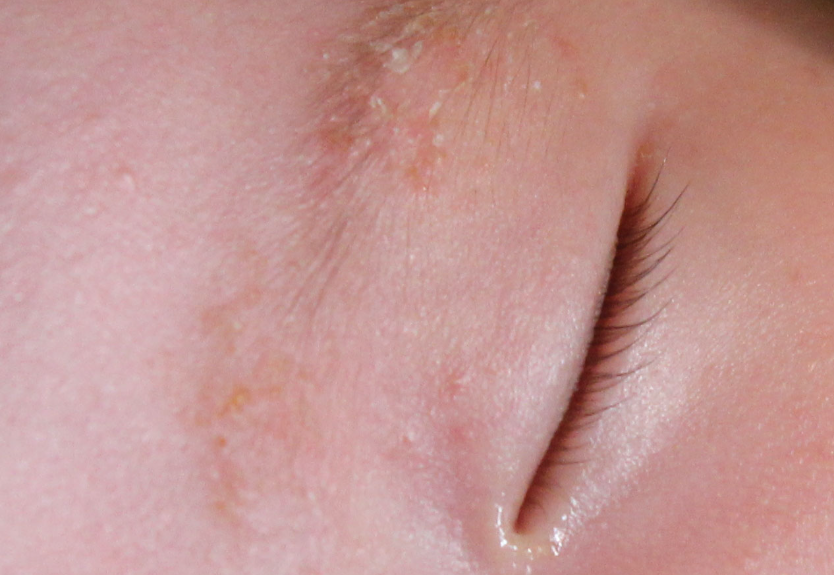
You might notice swelling around the face, hands, or genitals. You may see a rash, blotchy skin, or dry skin that peels. These changes often settle on their own as your baby adjusts to life outside the womb.

It is important to trust your instincts and ask for help when you feel something is off.. Reach out if your baby is feeding very poorly, has very few wet nappies, seems unusually sleepy, or has a cry that sounds very different; extremely high-pitched or very weak and doesn’t improve.

Asking for help doesn’t mean you’re anxious. It means you’re paying attention.

A Final Word for New Parents

The first week with a newborn is a period of adjustment for both parents and baby. It is normal for this time to feel demanding, emotional, and uncertain. During newborn baby week 1, your baby is learning how to adapt to the world outside the womb, and you are learning how to respond to their needs.

Your baby does not require perfect routines or advanced techniques at this stage. What matters most is consistent care, gentle communication, and a safe environment. Through calm interaction, close physical contact, responsive feeding, and attentive comfort, you are supporting your baby’s early development and sense of security.

Take each day as it comes and seek support whenever you need it. Asking questions, and leaning on available support services are all part of responsible and informed parenting. With time, confidence grows, routines begin to form, and both you and your baby will continue to develop together.

Previous Post Next Post
When Do Babies Start Crawling?

When Do Babies Start Crawling? Tracking This Important Milestone

Crawling is a truly special part of your baby's journey — not just adorable, but a fundamentally important developmental milestone. It's a crucial step that lays the groundwork for walking, strengthens their little bodies, and even shapes how they think and feel. Many parents down under wonder, "when do babies start crawling?" While the answer varies for each bub, one thing's for sure: this stage of baby crawling is definitely worth slowing down to appreciate.

Why Crawling Deserves More Love

Research from New York University suggests that during every wriggle and shuffle, your baby’s brain is learning too — measuring space, tracking movement, and figuring out how to navigate the world. Crawling is more than movement; it nurtures both physical and emotional intelligence.

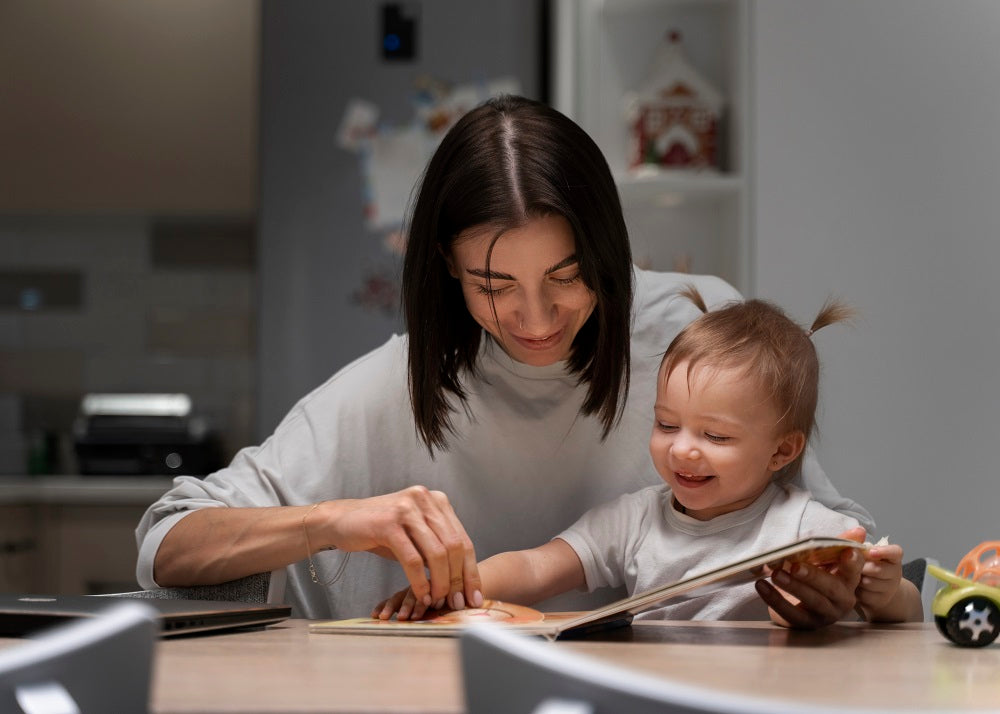
The picture shows the smart baby reading a book

And babies who don’t get much crawling experience? They may later struggle with posture, upper body strength, or fine motor tasks like writing and using scissors. That’s why it’s okay — even wonderful — if your little one wants to stay closer to the ground for a while. The more they crawl, the better prepared they’ll be for future developmental milestones.

The Beautiful Benefits of Crawling

Here’s how crawling supports your baby beyond just movement:

1. Boosts Brain and Language Growth

At around 8 months, babies often begin commando crawling, and not-so-coincidentally, start babbling more too. Crawling stimulates the vestibular system — essential for both balance and early language development.

2. Builds a Sense of Space

Ever noticed how your crawling baby’s little bum sways side to side? That cute movement helps them develop spatial awareness, creating a “mental map” of their surroundings that supports learning and confidence later on.

3. Strengthens Arms and Coordination

Using arms to push forward develops muscle tone and coordination. It’s their first full-body workout — building strength they’ll use for climbing, playing, and eventually writing and drawing.

4. Supports the Immune System

A bit of floor time isn’t dirty — it’s healthy. Crawling babies who explore different surfaces build resilience. While hygiene is important, a sterile environment can sometimes hold back immune development.

5. Promotes Better Sleep

Active babies are better sleepers. Crawling uses up energy and helps regulate their sleep-wake cycles. And we know sleep is crucial for releasing growth hormones — helping your little one grow strong and tall.

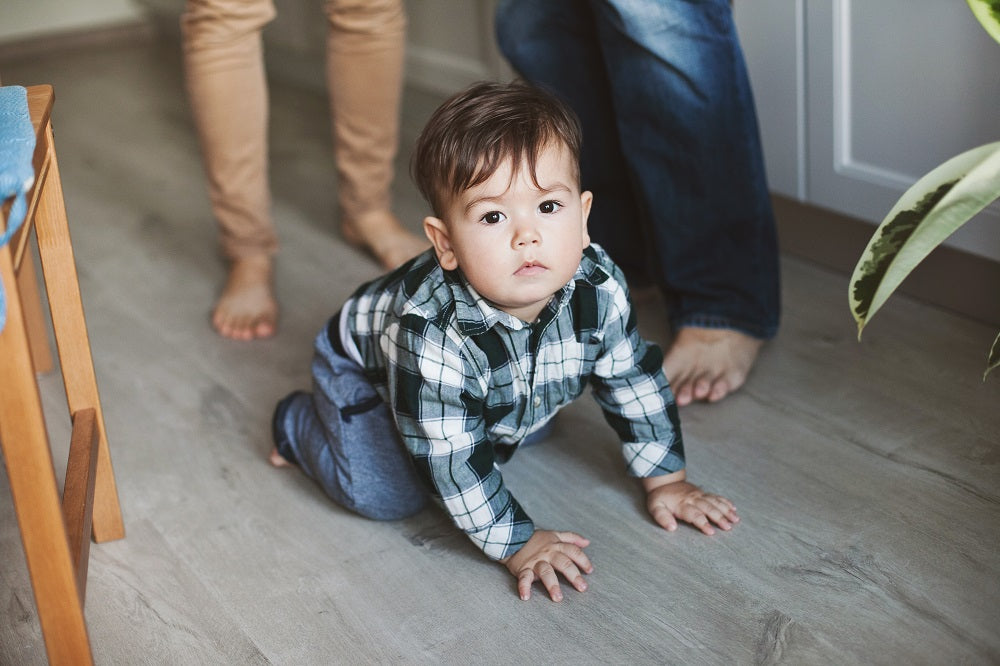
baby crawling

When Do Babies Crawl?

So, when do babies crawl, and what’s considered a typical crawling age? Every baby is unique, but here’s a rough timeline:

  • 5–6 months: Your baby might start wiggling arms and legs while on their tummy. This is a great time to start gently encouraging crawling.
  • 6 months+: Let baby spend more time on their tummy. Place toys just out of reach to help them discover the joy of moving forward.
  • 7 months: You might see commando crawling — dragging the tummy across the floor, often going backward at first!
  • 8–10 months: True hands-and-knees crawling baby mode begins, progressing to using both hands and feet as strength builds.

How to Help Baby Crawl (Without Pressure)

Here are some gentle ways to support your baby's crawling journey:

  • Get down to their level. Babies love to mimic!
  • Use soft mats or blankets and let them move freely.
  • Place a favourite toy just out of reach — motivation is everything.
  • Let crawling happen during play, not “training” — follow their cues.

Remember, babies don’t need to be taught, they need time, space, and your gentle encouragement.

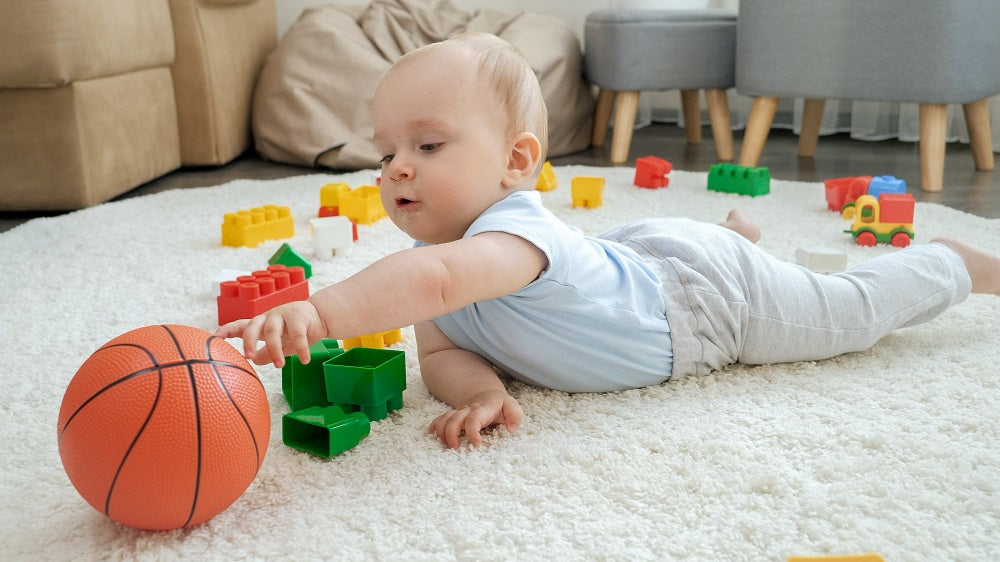
How to Help Baby Crawl

Recommended Crawling Time

6–8 months: Aim for around 2–3 hours of total crawling practice throughout the day.

From 8 months+: Try to allow for at least 500 hours of cumulative crawling time as they grow — this can be built up slowly and naturally through everyday floor play.

Creating a Safe Crawling Space

To support safe, happy crawling:

  • Use cushioned play mats or rugs to prevent bumps.
  • Remove small objects, cords, or anything your baby might grab and mouth.
  • Outdoors? Take water, baby wipes, and sun-safe clothing. Crawling in the sun is not only fun, but great for Vitamin D and mood.

Gentle tip for parents: Begin teaching safety early — not by fear, but with trust. As your baby grows, these quiet lessons become instinct. Teach them to avoid rough ground, pause when others walk by, and stay within safe limits during play.

Final Thoughts

Crawling might seem like a simple skill, but it’s really a precious opportunity. A time to build strength, confidence, and curiosity. So don’t rush them onto their feet — let them crawl, explore, and discover the world one shuffle at a time.

Because every crawl is a little victory.

Previous Post Next Post
Newborn Skin Peeling: Autumn Care

Newborn Skin Peeling: Autumn Care

It’s common for parents to feel concerned when they notice newborn skin peeling, especially during the Australian autumn when the weather can be dry. Don’t worry, skin peeling on newborns is a natural process that most babies go through as they adjust to the outside world. In the autumn months, the dry air can exacerbate newborn dry skin, but with the right care, you can keep your baby’s skin comfortable and healthy.

1. What Causes Newborn Skin Peeling?

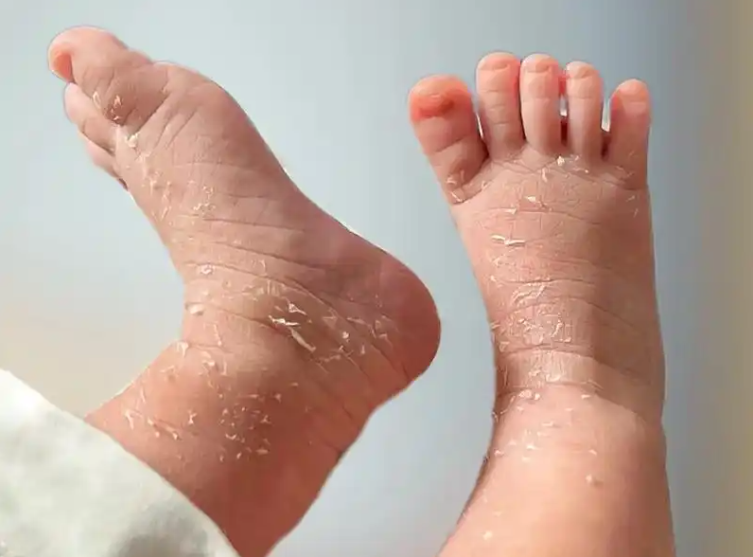
Baby skin is thinner and more delicate than adults', making it more susceptible to environmental changes. In the first few weeks after birth, babies are still adjusting to the outside world, and their skin undergoes a natural process of shedding. Newborn skin peeling typically occurs during the first week of life and can affect different areas of the body, such as the hands, feet, face, and scalp.

neonatal skin peeling

Here's a closer look at why this happens:

G'day to Dry Air (Amniotic Fluid Transition): For yonks, your little one's been floatin' around in amniotic fluid inside you. Once they're out in the world, the air is much drier, which naturally leads to the top layer of their skin dryin' out and flakin' off. This usually kicks off within the first 24 hours and can last for about 1 to 2 weeks.

New Skin on the Block (Skin Metabolism): Newborns are growin' like weeds, and their skin cells are renewin' pretty fast. Because the outer layer (the epidermis) isn't fully mature and not stuck on super tight to the layer underneath (the dermis), it's easy for it to flake off as new skin cells come through. This is just part of their skin developin' properly and nothin' to stress about – usually sorts itself out in 1 to 2 weeks.

Farewell, Vernix (Vernix Caseosa Shedding): When your little tacker arrives, they often have a whitish, waxy coating called vernix. This stuff protects their skin in the womb. After birth, this vernix naturally peels away, which can look like skin peeling. No need to do anything special; it'll generally disappear in about 2 weeks.     

Needin' the Right Bits (Micronutrient Deficiency): This is less common, but if your little one isn't gettin' enough of certain nutrients, like zinc, it can affect their skin health and make peeling worse. If you're worried, have a chat with your doctor about their nutrition. Recovery time can vary, from a week or so to over a month.  

Somethin' Else Goin' On (Pathological Peeling): Sometimes, peeling skin can be a sign of a medical condition like eczema or exfoliative dermatitis. These can cause red, flaky patches over larger areas. If you notice this, it's important to get your little one seen by a doctor straight away for proper treatment. Recovery time depends on the condition, ranging from a week to a few months.

Climate environment: In the Australian autumn, the weather cools and the air becomes drier, especially when indoor heating is used. This can make a newborn’s skin more prone to dryness and peeling. Autumn’s drop in humidity and temperature fluctuations can lead to skin dehydration, which often causes flaky skin on infants.

2. Common Areas of Peeling

Skin peeling on newborns often appears in the following areas:

  • Hands and feet: These are the most common places to see skin peeling on hands and peeling skin feet and hands, particularly when the weather is dry. Peeling skin infant hands and feet are very sensitive, so they often become dry and begin to shed.
  • Face and scalp: The skin on your baby’s face is more delicate and may experience redness, dryness, or peeling, especially in cooler months. Dry peeling face can also occur if the skin gets excessively dry.
  • Back and chest: Some babies may experience mild peeling on their backs or chests as well, resulting in newborn flaky skin in these areas.

peeling of skin on foot

3. How to Care for Baby's Skin

While skin peeling in infants is typically temporary, the right care can help alleviate any discomfort and support the natural healing process. Here are a few tips for caring for your baby’s skin during the autumn months:

Moisturise Regularly:

In Australia’s dry autumn air, keeping your baby’s skin hydrated is key. Use a gentle, fragrance-free moisturiser designed for babies. Look for products with natural ingredients like Australian macadamia oil or coconut oil, which are known to help soothe and hydrate delicate skin. Moisturiser for newborns can also prevent newborn skin dryness.

Gentle Bathing:

When bathing your baby, make sure to use lukewarm water instead of hot water, as hot water can strip the skin of its natural oils. Use a mild, tear-free baby wash that’s free from harsh chemicals and fragrances to prevent irritation.

Dress Baby in Soft, Breathable Fabrics:

As the weather cools, make sure your baby is dressed in soft, cotton clothing to avoid irritation. Avoid synthetic fabrics that might cause overheating or rubbing against the skin.

Apply Thick Creams for Extra Moisture:

After each bath, apply a thicker layer of moisturising cream to lock in hydration. If the peeling is more severe, consider using a richer ointment to provide extra protection and nourishment. This will help manage dry skin patches on infants.

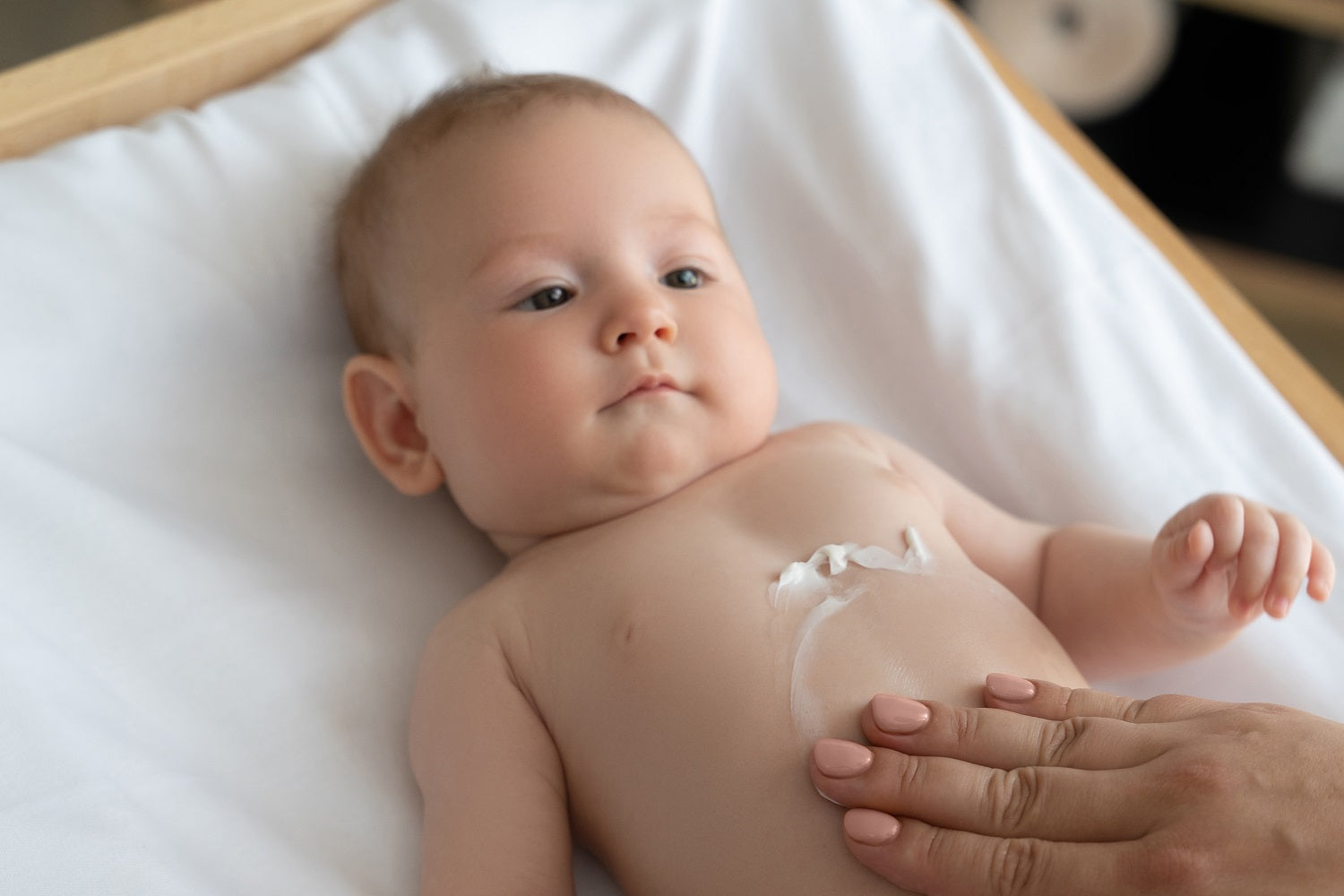
cream for newborn dry skin

Avoid Over-Moisturising: While hydration is key, applying too much product too often can sometimes irritate the skin. Follow the product instructions and observe how your baby's skin responds.

Can breast milk help with newborn dry skin?

Some parents find that applying a small amount of breast milk to areas of dry or peeling skin can be beneficial. Breast milk contains natural moisturizing properties and antibodies that may help soothe and protect the delicate skin.Gently dab a few drops onto the affected area and allow it to air dry. While not a substitute for regular moisturising, it can be a gentle addition to your baby's skincare routine

4. Sun Protection

Even in autumn, sun protection is crucial. Australia’s sun remains strong year-round, and your baby’s skin is highly sensitive. Prolonged sun exposure can lead to sunburn and exacerbate peeling.

Use Baby-Safe Sunscreen:

Choose a baby-friendly sunscreen that is free from harmful chemicals. Make sure to reapply every two hours, especially when you’re outdoors.

Dress Baby in Sun Protection Gear:

During outings, dress your baby in long sleeves, a wide-brimmed hat, and sunglasses for protection from the sun. Opt for baby clothes with built-in UPF protection if possible.

Seek Shade:

Limit your baby’s exposure to the sun, particularly during the midday hours when UV rays are strongest. Keep your baby in shaded areas whenever possible.

5. When to Seek Help

Most babies' skin peeling will resolve on its own within a few weeks, but if the peeling lasts longer than a month or becomes more severe, it may be a sign of an underlying issue.

Persistent Peeling:

If your baby’s skin continues to peel for longer than a month, or if there are signs of infection, such as redness, swelling, or oozing, it’s important to consult a doctor.

Changing Skincare Routine:

Ensure you’re using gentle products and providing extra moisture. If your baby’s skin condition worsens despite your efforts, consider switching to a more hydrating moisturiser or treatment recommended by your paediatrician.

Consult a Doctor:

If the skin peeling is accompanied by rashes, pus-filled spots, or broken skin, seek advice from a healthcare professional to rule out conditions like eczema or a skin infection.

6. Conclusion

Newborn and infant skin peeling are natural processes that most babies go through as they adjust to the environment. During the Australian autumn, the cooler, drier weather can make babies more prone to dry skin on newborns and newborn flaky skin. By following the right skincare routine—such as regular moisturising, using gentle bath products, and protecting your baby from the sun—you can help your baby stay comfortable.

If the peeling persists or is accompanied by other symptoms, don’t hesitate to seek professional advice. Ensuring your baby’s skin stays moisturised and protected will help them feel their best.

Previous Post Next Post
Navigating Size 3 Nappies: Your Essential Guide

Size 3 Nappies Australia: Weight & Fit Guide

Let's talk size 3 nappies. As your baby grows, understanding when and why to transition to this crucial size is key for comfort and leak protection. This guide will walk you through everything you need to know about size 3 nappies.

What Age Are Size 3 Nappies For?

Most babies wear Size 3 nappies at around 4–6 months old. However, every baby grows at their own pace, so age should only be used as a general guide, not a fixed rule for choosing nappy size.

Some babies may need Size 3 earlier because they are growing quickly, while others may stay in a smaller size for longer. When choosing the right size, it's best to consider your baby's weight, body shape and how comfortably the nappy fits, rather than relying on age alone.

What Weight Are Size 3 Nappies?

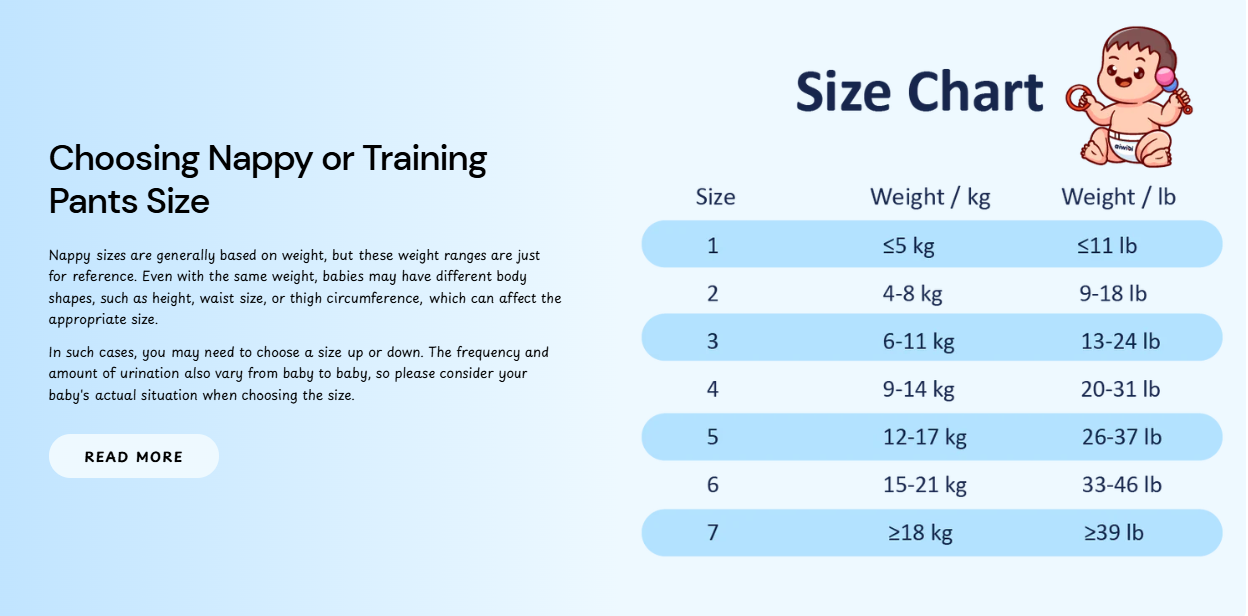
For Aiwibi nappies, the recommended Size 3 weight range is 6–11 kg, so weight and fit are better indicators than age alone.

If your baby is within this weight range, Size 3 may be a good fit. But remember, babies of the same weight can have very different little bodies. One may have a fuller tummy, while another may have chunkier thighs or a slimmer waist. So, alongside weight, pay attention to your baby's body shape and how comfortably the nappy fits.

Other nappy brands may use slightly different weight ranges for Size 3, so always check the individual brand's size guide.

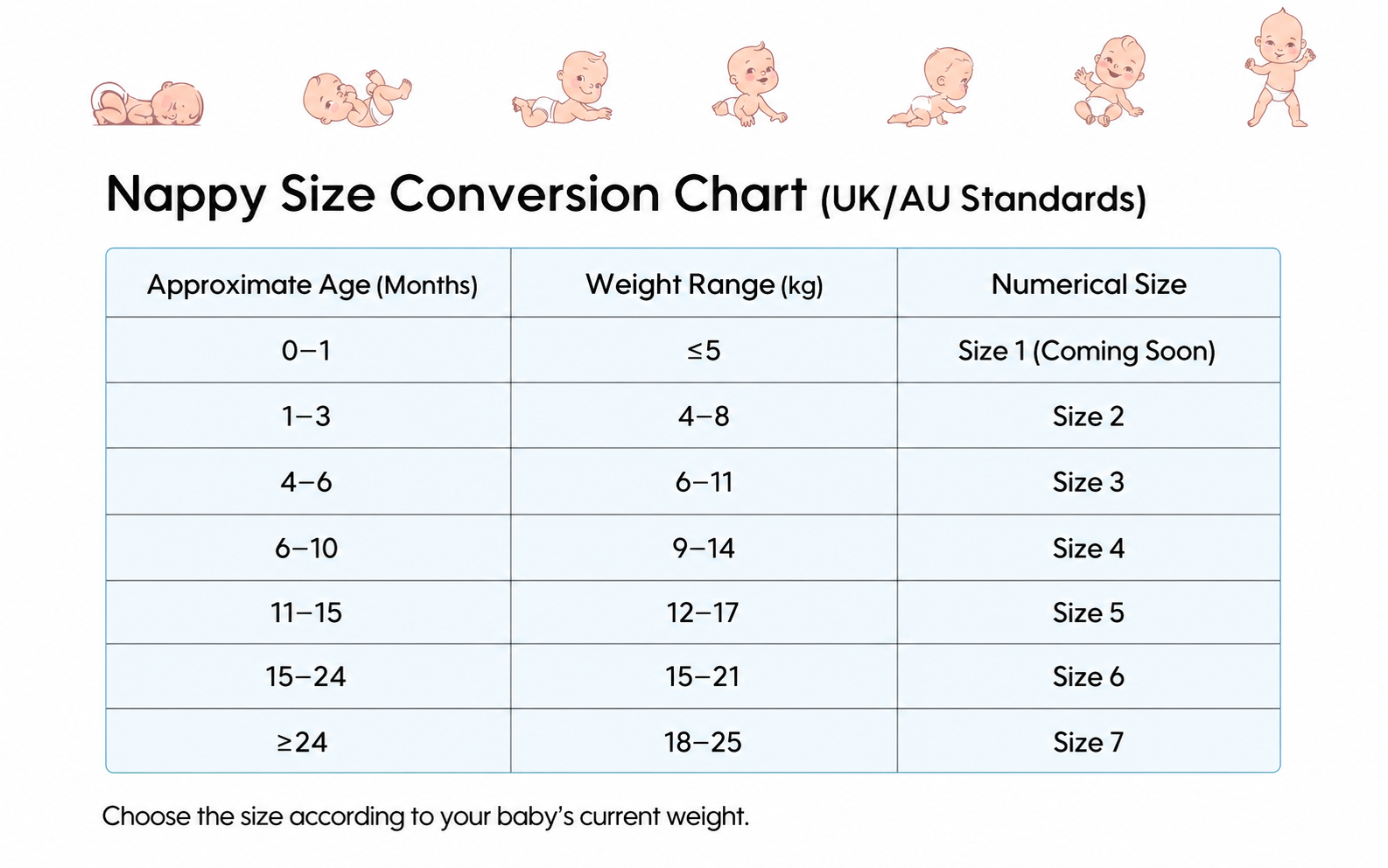
Nappy Size Conversion Chart (UK/AU Standards)

Aiwibi offers a nappy size chart for new parents:

Note: These ranges are only a guide. Two babies of the same age may need different nappy sizes depending on their weight, body shape and growth rate.

Recommend for you:The Guide to Nappy Sizes 2025: Enhanced>>>

What Size Nappies Does a 6-Month-Old Need?

If you look at the Aiwibi size chart, you'll notice that some sizes have overlapping weight ranges. This is because babies of the same weight can have different body shapes and growth patterns, so there isn't always one size that fits every baby.

For this reason, a 6-month-old baby may wear Size 3 or Size 4 nappies, depending on their weight, body shape and how the nappy fits.

For Aiwibi nappies, Size 3 is designed for 6–11 kg, while Size 4 is designed for 9–14 kg. If your baby falls within the overlapping range, don't rely on age or weight alone. Instead, check how comfortably the nappy fits around their tummy and legs.

When to Graduate to Size 3 Nappies

Here are some signs that your little tacker might be ready for the next size up:

  • "Your little one's getting a bit hefty for their current nappies – they're consistently tipping over that top weight limit."
  • "Those pesky leaks are becoming a regular thing. No one wants a damp bub!"
  • "You're noticing the nappy's leaving little red marks or digging in a bit. That means it's too snug, mate."
  • "The nappy just doesn't seem to cover their little bottom properly anymore."

Choosing Size 3: Nappies or Nappy Pants

As your little one grows into Size 3 nappies (6-11kg), usually between 4-9 months old, they hit exciting milestones like rolling, crawling, and even pulling themselves up to stand. This new mobility means their nappies need to keep up—without leaks, discomfort, or restricting movement.

When to Switch from nappies or nappy pants?

  • If your baby is crawling/standing – Nappy pants offer better flexibility.
  • If nappy changes become a battle – Nappy pants make changes faster.
  • If you’re starting potty training prep – Helps babies recognise underwear-like feel.
Introducing Larger Size Nappy Pants for Your Active Baby.

Common Questions, Sorted!

  • "So, how old is a bub usually when they're in size 3s?" (Usually 3-9 months, but focus on weight: 6-11 kg).
  • "What's the go with the weight for size 3 nappies again?" (Reinforce the 6-11 kg range).
  • "When should we ditch the size 2s for size 3s?" (Refer back to the signs mentioned earlier).
  • "Are 'M' size nappies the same as size 3?" (Likely, but always check the weight guidelines on the packaging).
  • "What about those nappy pants in a similar size?" (While the weight might be similar, the design and purpose are different for little ones starting to potty train).

Choosing the Right Fit: Happy Baby, Happy You!

  • Emphasising the importance of a good fit for both comfort and leak prevention.
  • Recommending that parents always check the weight guidelines on the packaging of their chosen nappies.
  • Suggesting that if you're unsure, it's always a good idea to try a smaller pack of the next size up to see how they go.

In Conclusion

Finding the Perfect Nappy for Your Little Aussie.

Reassuring parents that finding the right nappy size is all part of the journey. Encourage them to trust their instincts and pay attention to their baby's comfort and any signs of ill-fitting nappies.

Previous Post Next Post
Baby's red cheeks: Cute or Alert

Baby’s red cheeks: Cute or Alert

Your little baby's got red cheeks – aww, cute! But if they're looking extra flushed or something else is going on, you might be scratching your head. Here’s your go-to guide to help understand what’s normal and what might need attention, tailored for Aussie mums and dads.

Quick Look: Common Reasons for Red Cheeks in Babies

Cause Harmless or Concern? What to Do
Coming in from the cold Harmless & temporary Let baby adjust to room temp
Active play or excitement Harmless Let them rest and cool down
Teething Mild irritation possible Offer teething toys & moisturiser
Skin sensitivity or dryness Mild concern Use a baby-safe lotion
Sleeping on one side Temporary No action needed unless persistent
Overheating Caution needed Remove layers, move to cool space
Allergies or infections Needs medical check See your General Practitioner or paediatrician

Common (and Usually Harmless) Causes

Temperature Changes

Walking in from a chilly walk or snuggling in a warm room? Just like adults, babies’ cheeks can flush as their bodies adjust. If they’re otherwise happy and alert, it’s totally normal.

Excitement, Crying, or Play

Big emotions (even giggles!) can increase blood flow, leading to rosy cheeks. It’s a natural response and nothing to worry about.

Delicate Skin & Sensitivities

Babies have super-sensitive skin that may react to:

  • Drool (especially during teething)
  • Scratchy fabrics
  • Soaps or lotions

If the redness isn’t itchy or spreading, it's usually just temporary irritation.

Sleeping Position

Sometimes your baby wakes up with one red cheek — usually from lying on one side. The pressure can cause temporary redness which fades quickly.

Natural Complexion

Some babies simply have naturally pink cheeks, especially if they have lighter skin and visible capillaries. Totally normal!

When Red Cheeks Might Be a Sign of Something More

Fever

If red cheeks come with a rectal temp of 38°C (100.4°F) or more, it could signal infection (like a cold, flu, or something more serious). Always consult your General Practitioner if a fever is present.

Respiratory Syncytial Virus (RSV)

RSV is common in babies and can lead to bronchiolitis. While red cheeks aren’t a major sign, watch for:

  • Persistent cough
  • Wheezing or laboured breathing
  • Runny nose
  • Mild fever

If concerned, seek medical advice — especially for infants under 6 months.

Teething

Many Aussie parents notice flushed cheeks during teething. While science hasn’t fully proven it, increased drool and rubbing the cheeks may cause irritation. If your bub is also fussy, biting everything, or not sleeping well, teething might be the culprit.

Overheating

If your baby’s cheeks feel hot and they’re sweating or fussy, they may be too warm. Check:

  • Room temperature (aim for 20–22°C)
  • Their clothing (light layers are best)
  • Bedding

Dryness, Chapping, or Wind Burn

Australia’s dry seasons or windy beach days can lead to rough, red cheeks. Use a fragrance-free baby moisturiser and avoid harsh cleansers.

Allergic Reactions

Red cheeks + rash, hives, swelling, or trouble breathing? It might be an allergy to:

  • Formula or breastmilk (cow’s milk protein allergy)
  • Certain foods
  • Environmental triggers (dust, pollen)

Seek urgent medical attention if you notice swelling or breathing issues.

Skin Infections

If the redness is warm, swollen, or looks like a rash or sore — especially if there’s discharge — it may be an infection. Always check with your doctor.

Common Situations Parents Ask About

Red Cheeks But No Fever?

Probably something mild like temperature change, teething, or excitement. Just monitor your baby’s mood and hydration. If the redness lingers or spreads, have it checked.

Red and Dry Cheeks?

Try:

  • Washing gently with lukewarm water
  • Applying hypoallergenic, baby-safe moisturiser
  • Avoiding perfumed soaps or lotions

Only One Cheek Is Red and Warm?

It might just be from sleeping on that side — but if it’s swollen, hot, or doesn’t go away, it could be a skin issue or infection.

Red Cheeks After Naps or Overnight?

Usually due to pressure or warm bedding. Make sure bedding is breathable and not too warm.

What You Can Do At Home

Situation Simple Fix
Mild redness due to temp/play Keep baby comfy, let them rest
Dry or chapped cheeks Apply baby-friendly moisturiser
Teething irritation Use cold teething toys, keep cheeks clean
Suspected overheating Remove a layer of clothing, offer water
Concern of allergy or infection Book a general practitioner visit right away

When to See Your Doctor

Trust your instincts — if something doesn’t feel right, it’s worth checking. Seek medical advice if you notice:

  • A fever of 38°C or higher
  • Lethargy, irritability, or unusual sleepiness
  • Poor feeding or refusal to eat
  • Laboured breathing or wheezing
  • Rash, swelling, or hives
  • Redness that’s persistent, worsening, or warm to the touch

Final Thoughts

Those rosy cheeks might just be a sign your baby’s having a lovely day — or they could be your baby’s way of asking for a little extra care. By tuning in to their symptoms and trusting your gut, you’ll know when to smile, and when to pick up the phone and call your general practitioner.

Your baby’s comfort always comes first — and you’re doing a great job.

Previous Post Next Post
The Guide to Nappy Sizes 2025

The Guide to Nappy Sizes 2025: Enhanced Edition

Choosing the right nappy for your baby is essential for their comfort, health, and your peace of mind. While age can be a general indicator, weight – whether you use kilograms (kg) or pounds (lbs) – is the most accurate way to determine the correct nappy size. This guide provides a comprehensive overview of nappy sizing in Australia, including fit checks, practical tips, and additional considerations for a perfect fit.

Official Nappy Size Chart (Australian Market)

Based on common Australian nappy brands, here's a general overview of nappy sizes:

Tip: Always check the specific brand’s size chart, as slight variations may exist.

Size Weight (kg) Weight (lbs) Approx. Age Avg. Nappies/Day
Newborn (Size 1) Up to 5 kg Up to 11 lbs 0 – 6 weeks 8 – 10
Infant (Size 2) 4 – 8 kg 9 – 18 lbs 1 – 4 months 6 – 8
Crawler (Size 3) 6 – 11 kg 13 – 24 lbs 4 – 12 months 6 – 7
Toddler (Size 4) 9 – 14 kg 20 – 31 lbs 6 – 24 months 5 – 7
Walker (Size 5) 12 – 18 kg 26 – 40 lbs 1 – 3 years 4 – 6
Junior (Size 6) 16+ kg 35+ lbs 2+ years 4 – 5
Extra Large (Size 7) 17+ kg 37+ lbs 3+ years Varies (overnight/nappy pants)

Find the Best Fit

  • Weight Over Age: Babies grow at different rates, so always prioritize weight over age recommendations.
  • Brand Variations: Different brands (e.g., Aiwibi vs. Pampers) may have slightly different sizing. Always check the packaging for the specific brand's weight guidelines.
  • Nappy Pants vs. Regular Nappies:
    • Nappy pants are ideal for active babies (usually starting at Size 3 or Size 4) as they offer more flexibility and ease of movement.
    • Some brands offer overnight nappies with extra absorbency (same sizing as regular nappies) designed to handle longer wear and heavier wetting.
Active baby wearing aiwibi's nappy pants

Nappy Pants vs. Tape Nappies

Feature Nappy Pants Tape Nappies
Best For Crawling/walking babies Newborns, less mobile babies
Ease of Use Pull-on like underwear Adjustable tapes
Absorbency Good, but may leak overnight Higher capacity
Sizes Usually starts at Size 3 All sizes

When to switch? Once the baby starts rolling/crawling (~6 months+).

  • Fit Check Indicators:
    • Should sit below the belly button.
    • Snug but not tight—two fingers should fit comfortably under the waistband and leg cuffs.
    • No red marks should be visible on the baby's waist or thighs after removing the nappy.
    • No leaks should occur regularly around the legs or waist.
  • Baby’s Shape & Activity Level:
    • Longer, leaner babies might fit better in a nappy with a narrower cut, while shorter, chunkier babies may need a brand with a wider fit or elasticated waistband to accommodate their thigh circumference comfortably without causing red marks.
    • If your baby is crawling/walking, consider nappy pants for easier movement and changes.

Understand the Nappy Size Chart

  1. Weigh your baby: Use a reliable baby scale to get an accurate weight.
  2. Locate the weight range: Find the size in the chart that corresponds to your baby's current weight.
  3. Consider brand specifics: If you have a preferred brand, always consult their specific size chart on the packaging or website, as there can be slight variations between brands.

    Aiwibi nappy sizes chart

    Aiwibi Nappy SiZE Chart
  4. Factor in your baby's build: If your baby has a unique body shape (e.g., very chunky thighs), you might need to consider a size up or a brand known for a more accommodating fit. Look for nappies with features like an elasticated waistband and leg cuffs.
  5. Observe the fit: After putting on a new nappy, check the fit indicators mentioned above to ensure it's snug but not too tight and provides adequate coverage.

Newborn Diaper Specifics (0-5 kg / Up to 11 lbs)

Newborn nappies (Size 1) are designed with the unique needs of a newborn in mind:

  • Umbilical Cord Notch: Many newborn nappies feature a cutout or a fold-down section at the front to avoid irritating the baby's healing umbilical cord stump.
  • Extra Softness: Newborn skin is very delicate, so these nappies are typically made with extra soft and gentle materials.
  • High Absorbency: Despite their small size, newborn nappies are designed to handle the frequent but smaller voids of newborns.
  • Wetness Indicator: Some newborn nappies have a wetness indicator, a line that changes color when wet, helping new parents know when it's time for a change without having to constantly check.

Signs to Size Up

It's time to move to the next nappy size when you notice any of the following:

  • Frequent Leaks: If the nappy is consistently leaking, especially during the day, it might not be absorbent enough for the increasing volume of urine, or it might be too small to contain it properly.
  • Red Marks: Red marks around your baby's waist or thighs indicate that the nappy is too tight and digging into their skin.
  • Poor Fit: The nappy looks or feels too snug, the fastening tabs are hard to reach or don't close comfortably, or the nappy doesn't fully cover your baby's bottom.
  • Tabs Don't Meet: If the fastening tabs are being stretched to meet in the middle, it's a clear sign the nappy is too small.
  • Increased Frequency of Blowouts: While occasional blowouts happen, more frequent occurrences can mean the nappy isn't large enough to contain the waste.
  • Discomfort: Your baby seems uncomfortable or is fussier during nappy changes, possibly due to a too-tight nappy.
  • The nappy is constantly saturated: If you find the nappy is completely soaked through shortly after putting it on, the next size up will offer more absorbency.

Proper Diaper Fit Guidelines

Ensuring a proper nappy fit is crucial for comfort and preventing leaks:

  1. Positioning: Place the nappy evenly under your baby, with the back waistband at their natural waistline (usually just below the belly button).
  2. Fastening: Bring the front of the nappy up between your baby's legs and fasten the tabs securely on the front panel. The tabs should be symmetrical.
  3. Snugness: The nappy should be snug but allow for movement. You should be able to slide two fingers comfortably under the waistband and leg cuffs.
  4. Leg Cuffs: Ensure the leg cuffs are pulled out and not tucked in to prevent leaks around the legs.
  5. Coverage: The nappy should fully cover your baby's bottom without any gaps.
  6. Waistband: The waistband should sit comfortably and not be folded down.

Nappy Usage Scenarios

  • Nighttime Nappy Solutions for Leak-Free Sleep

    For better overnight protection:

    • Choose overnight-specific nappies like Aiwibi Ultimate Comfort Night Nappy Pants – designed for 12-hour dryness with extra absorbent cores
    • Size up strategically (e.g., move to Size 5 if daytime wear is Size 4) for increased capacity
    • Double protection with a bamboo nappy liner for heavy wetters
    • For active toddlers: Nappy pants provide mobility, but traditional overnight nappies typically offer superior absorbency
  • Leaks: Persistent leaks indicate either an incorrect size or insufficient absorbency. Ensure the leg cuffs are properly positioned. If sizing up doesn't help, try a different brand or a nappy with higher absorbency.
  • Nappy Rash: To minimize nappy rash, change wet or soiled nappies frequently. Ensure the nappy area is clean and dry before putting on a new nappy. Consider using barrier creams to protect the skin. If your baby experiences looser stools due to teething, more frequent changes are essential. Look for wipes that are fragrance-free and alcohol-free to avoid irritation. Allowing for some nappy-free time each day can also help.

Aiwibi Nappy Subscription Services in Australia

Save time and money with auto-delivery options:

  • Subscribe & Save for 10% off. Choose delivery frequency (currently every 2 weeks).
  • Subscribe & Save for 8% off. Choose delivery frequency (currently every 3 weeks).
  • Subscribe & Save for 5% off. Choose delivery frequency (currently every 4 weeks).

Other activities: 5% off your first order! Learn more about Aiwibi!

FAQs

  • Q: What age wears Size 4 nappies?
    • A: Typically 12-24 months, but always check weight (9-14 kg / 20-31 lbs).
  • Q: How much is 14 lbs in kg?
    • A: 14 lbs ≈ 6.35 kg (fits Size 2 or small Size 3, depending on brand).
  • Q: How to prevent nappy rash while teething?
    • A: Teething can cause looser stools—change nappies frequently and use barrier creams at each change to protect the skin from increased moisture and irritation. Ensure the nappy area is thoroughly cleaned and dried during each change.
Final Tips

  • ✅ Weigh your baby monthly to ensure the right fit as they grow.
  • ✅ Buy in bulk during sales once you've found the right size and brand for your baby.
  • ✅ Try eco-friendly options if sustainability is a priority, keeping in mind their sizing and fit might vary.

By following this comprehensive guide, you can confidently choose the perfect nappy size and type to keep your little one comfortable, dry, and happy!

Previous Post Next Post
Your Taurus Newborn: Australia’s Most Chill Little Legend

Your Taurus Newborn: Australia’s Most Chill Little Legend

Welcoming a Taurus newborn into your family is a joyous occasion! Known for their calm demeanor, strong will, and love for comfort, Taurus babies are truly special. If you're in Australia and expecting or parenting a little Taurus, this guide will help you understand their personality, the best ways to nurture them, and even how to choose the perfect name.

Hello Little Bull! Taurus Time Down Under!

Welcoming a Taurus newborn into your family is such a special joy, especially now as we're right in the heart of Taurus season, from April 20th to May 20th! For those who planned ahead for a little Taurus, remember that conceiving for an April arrival typically happens around late July to August, while a May baby's journey often begins in late August to September.

Taurus Newborn

Taurus Baby in the Womb: A Relaxed Little Passenger?

Funny stories from the bump often paint Taurus babies as pretty relaxed passengers during pregnancy. They might find a comfy spot and stick to it, not being overly dramatic with their movements. Of course, every pregnancy is different – this is just a bit of fun based on the stars! Observing their fetal movement patterns might even hint at their later calm demeanor.

Are Taurus Babies Calm?What’s a Taurus Baby Like? 

Yep, Taurus newborns are generally as peaceful as a billabong on a still day, especially when they feel safe and snug. Keep those comfort levels high and their little world predictable, and you'll likely have a pretty contented little cherub. But fair warning: if they're not comfy or their feeding schedule is delayed, their determined side might show up faster than a startled kookaburra! Consistent daily routines are your secret weapon for managing infant fussiness.

What’s a Taurus Baby Like

And get this about your newborn Taurus:

  • A Stubborn Yet Patient Little One: Once they've decided on something, good luck changing their minds! But they're also surprisingly patient when things are going their way, especially when it comes to their feeding schedule or preferred sleep patterns.
  • Comfort is Paramount for These Little Creatures: Soft as a lamb's wool blankets, the snuggliest cuddles, and predictable routines that run smoother than a well-oiled ute? That's their happy place for baby sleep and overall contentment.
  • Early Sensory Exploration: They'll be all about those gentle tunes for soothing the baby, the sweet smell of eucalyptus (maybe!), and the feel of your soft touch during baby massage. Understanding their sensory preferences early on is key.

Taurus Baby Boy vs. Taurus Baby Girl

All Taurus bubs are sweet but strong-willed, but there are some quirks depending on gender.

Trait Taurus Baby Boy Taurus Baby Girl
Energy Solid as a rock, loves crawling everywhere Graceful but very opinionated
Fave Things Blocks, anything he can grip Soft toys, anything pretty
Stubborn Level "I do it myself!" vibes "This is how it’s done." energy

Now, while the stars might suggest a bit of a difference 'twixt the little lads and lasses of the Taurus persuasion, it's worth a cheeky reminder that every nipper is their own unique cuppa tea! These are just a bit of fun, mind you, and your little bull, whether a he or a she, will have their own marvellous quirks and ways about 'em.

Best Aussie-Approved Names for Your Taurus Bub

Since Taurus rules beauty and nature, these names are perfect for your little legend.

Taurus Baby Girl Names

  • Matilda (Waltzing optional, but encouraged)
  • Willow (Earthy, graceful—just like her)
  • Luna (For the baby who moonlights as a diva)
  • Juniper (Evergreen spirit, quietly strong, a touch of wild beauty)
  • Flora (Blooming grace, a nurturing heart, rooted in beauty)

Taurus Baby Boy Names

  • Heath (Strong, natural—like the Aussie outback)
  • Jasper (Tough as a gemstone)
  • Felix (Lucky, steadfast, with a gentle nature)
  • Torin (Boldly grounded, natural leader, a steadfast spirit)
  • Silas (Quietly determined, earthy connection, a thoughtful presence)

Parenting Your Little Taurus Legend: The Aussie Way

So, you've got a Taurus newborn or bubba in Australia? Here's the lowdown on keeping your little bull happy without ending up more stressed than a politician during election time:

  • Routine, Routine, Routine (It's Not Just a Saying, It's Gospel!): Taurus tots are like clockwork. Feedings at the same time? Good on ya! Bedtime routine as regular as the sunrise? Brilliant! Skip it? You'll hear about it – loud and clear.
  • Comfort is King (or Queen!):
    • Swaddle them snug as a bug in a rug. The tighter, the better for that secure feeling.
    • Only the softest fabrics will do, mate. None of that scratchy stuff!
    • Warm baths are pure bliss. Maybe add a touch of gentle Aussie baby wash for extra relaxation.
  • Get 'Em Out in the Great Outdoors: Being an earth sign, your little Taurus will likely love a bit of fresh air. A gentle stroll through the local park or just sitting under a gum tree can do wonders. Just remember the Aussie sun is strong – hats and shade are non-negotiable!
  • Pick Your Battles, Seriously: That Taurus stubbornness? It's real. If they're not keen on mashed banana today, don't sweat it. Try again tomorrow. Maybe with a tiny bit of sweet potato mixed in?
Parenting Your Little Taurus Legend: The Aussie Way

Whether you're a firm believer in astrology or simply curious about the potential traits associated with your Taurus newborn arriving under the Australian autumn sky, remember that each child is a unique blessing. Embrace their individual personality and enjoy the journey of watching them grow and discover the world around them. Get ready for some grounded goodness with your little Taurus tacker!

Previous Post Next Post
When to Stop Breastfeeding: A Mother's Heartfelt Guide

When to Stop Breastfeeding: A Mother’s Heartfelt Guide

There comes a moment in every breastfeeding journey when you find yourself wondering, "Is it time?" Let me tell you, darling, there's no one-size-fits-all answer to this deeply personal question. As someone who's been there, I can tell you it's equal parts practical decision and emotional crossroads. The truth is, only you'll know when the moment feels right for you and your little one.

Listening to the Experts (But Trusting Yourself More)

You've probably heard the official recommendations – exclusive breastfeeding for those precious first six months, then gradually introducing solids while continuing to nurse. But here's what they don't tell you in those pamphlets: some babies are ready to move on at nine months, while others still crave that comfort at two years old. And you know what? Both are perfectly okay.

When to Stop Breastfeeding: A Mother's Heartfelt Guide

Looking at my firstborn's birthday cake, I debated nursing. The doctor's advice was 'fine', but my body screamed otherwise. That's when I understood: this decision is solely between me and my baby.

Reading Your Baby's Signals

You'll know the signs when you see them. Maybe your little explorer starts getting distracted during feeds, more interested in their mashed banana than nursing. Or perhaps they're happily munching solids and only want the breast for comfort at bedtime. These are nature's gentle hints that change is coming.

Honoring Your Own Needs (Because You Matter Too)

Let's be real, mama. We spend so much time nurturing and caring for our little ones that we often forget about ourselves. It's easy to get lost in the demands of motherhood, especially when it comes to breastfeeding. But you are a person with needs, too, and they deserve to be acknowledged. Maybe your body is sending you clear signals, a desperate plea for autonomy, a gentle reminder that it's been stretched and strained and needs a break. Or perhaps the relentless demands of your job, the long hours and the constant juggling, are making breastfeeding an impossible task, adding stress to an already overwhelming situation. And let's be honest, sometimes, you're just… done.

When to Stop Breastfeeding: A Mother's Heartfelt Guide

 You've given so much, poured out so much of yourself, and you've reached your limit. That's not weakness, it's honesty. It's acknowledging that you're human, not a milk-producing machine. It's saying, 'I need a moment, I need my body back, I need to reclaim a part of myself that's been on hold.' And that's perfectly valid. It's essential. Because a happy, healthy mama makes for a happy, healthy baby. So, don't feel guilty for prioritizing your needs. Don't let anyone tell you otherwise. You matter. Your well-being matters. And sometimes, the best thing you can do for your baby is to take care of yourself.

Making the Transition with Grace

If you're ready to embark on the weaning journey, remember, slow and steady wins the race. 

  • The Slow Dance Approach: Start by dropping one feeding every few days. Your body will thank you, and your baby won't feel blindsided. That midday feed was the first to go in our house – replaced by a fun snack time that soon became our new ritual.
  • The Substitution Game: For babies under one, formula's your best friend. Older tots can try cow's milk (if your doctor approves). Pro tip: warm it slightly – it makes the transition easier for little ones used to body-temperature milk.
  • The Comfort Shift: This was the hardest part for us. When my toddler wanted to nurse for comfort, we invented "cuddle time" with her favorite blanket and books. It wasn't the same at first, but soon it became its own special thing.

Answering Those Nagging Questions

"But what if…" I know, I've asked them all:

  • Stopping at 9 months? Absolutely fine, as long as baby's getting proper nutrition elsewhere.
  • Bottle refusal? Oh, honey, we went through six different brands before finding "the one." Persistence pays off.
  • Weight changes? Some mums drop pounds, others don't. Your body's been through enough – be kind to it.
  • Emotional rollercoaster? Completely normal. I cried more over weaning than I did at my wedding!

The Bittersweet Goodbye

Here's the raw truth nobody prepares you for: stopping breastfeeding can feel like breaking up with someone you still love. There's relief, yes, but also this profound sense of loss. I kept one of my nursing bras for months after weaning, not because I needed it, but because letting go felt like closing a chapter I wasn't ready to end.

But here's what I want you to know: whether you breastfed for three weeks or three years, you gave your child an incredible gift. And when you're ready to stop, that's not the end of your connection – it's just the beginning of a new kind of closeness.

So take a deep breath, mama. Trust that you'll know when the time is right. And when that moment comes, know that you're not quitting – you're simply turning the page to the next beautiful chapter of motherhood.

Article Recommendations: Mom and Newborn: From First Bonding to Close Bonding>>>

Previous Post Next Post
Mum and Newborn: From First Bonding to Close Bonding

Mum and Newborn: From First Bonding to Close Bonding

From the very first breath your baby takes, an extraordinary journey begins—one that weaves together love, connection, and countless precious moments. The bond between a mum and her newborn is nothing short of miraculous, a blend of tender cuddles, sleepy smiles, and the occasional messy nappy. It’s a journey that transforms two strangers into an inseparable pair, creating a connection that’s as deep as it is enduring.

Welcome to Mum and Newborn: From First Bonding to Close Bonding—a guide to nurturing that unbreakable bond, from the first magical skin-to-skin cuddle to the playful giggles that light up your days. Let’s explore how you and your baby can grow closer, one loving moment at a time.

The First Bonding: Skin-to-Skin Contact

The first moments after birth are crucial for First Bonding. Skin-to-skin contact isn’t just a trendy buzzword—it’s a science-backed "magic trick." When a newborn is gently placed on their mother’s chest, their tiny body instantly finds its safe haven. Mum’s warmth and heartbeat, just like in the womb, help them smoothly adjust to this brand-new world. This intimate contact not only regulates the baby’s temperature, heart rate, and breathing but also helps them cry less and stay calmer, acting like a natural "soothing charm"!

Mum and Newborn-The First Bonding

Research shows that babies who experience skin-to-skin contact are more likely to fall into deep sleep and quiet alertness—prime time for their brain and body development! And guess what? Skin-to-skin isn’t just for those first few minutes after birth. It can happen anytime—when your baby needs comfort, help falling asleep, or just some cosy cuddle time. This warm connection not only makes your baby feel secure but also strengthens the Close Bond between you two.

So, skin-to-skin isn’t just about physical benefits; it’s the first step in building that emotional connection between mum and newborn. Every snuggle is a little love note, a unique "secret language" only the two of you share. From this moment on, your intimate journey of First Bonding officially begins!

One mum, Sarah, shared her experience: “When they placed my daughter on my chest, it was like the world stopped. She was so tiny, so perfect, and I couldn’t believe she was mine. That skin-to-skin moment made me feel like we were already a team.”

Building the Bond: Touch, Eye Contact, and Feeding

As the days go by, the bond between mum and newborn deepens through touch, eye contact, and feeding. Have you noticed how babies love to touch your face while feeding? It’s their unique way of exploring the world and connecting with you!

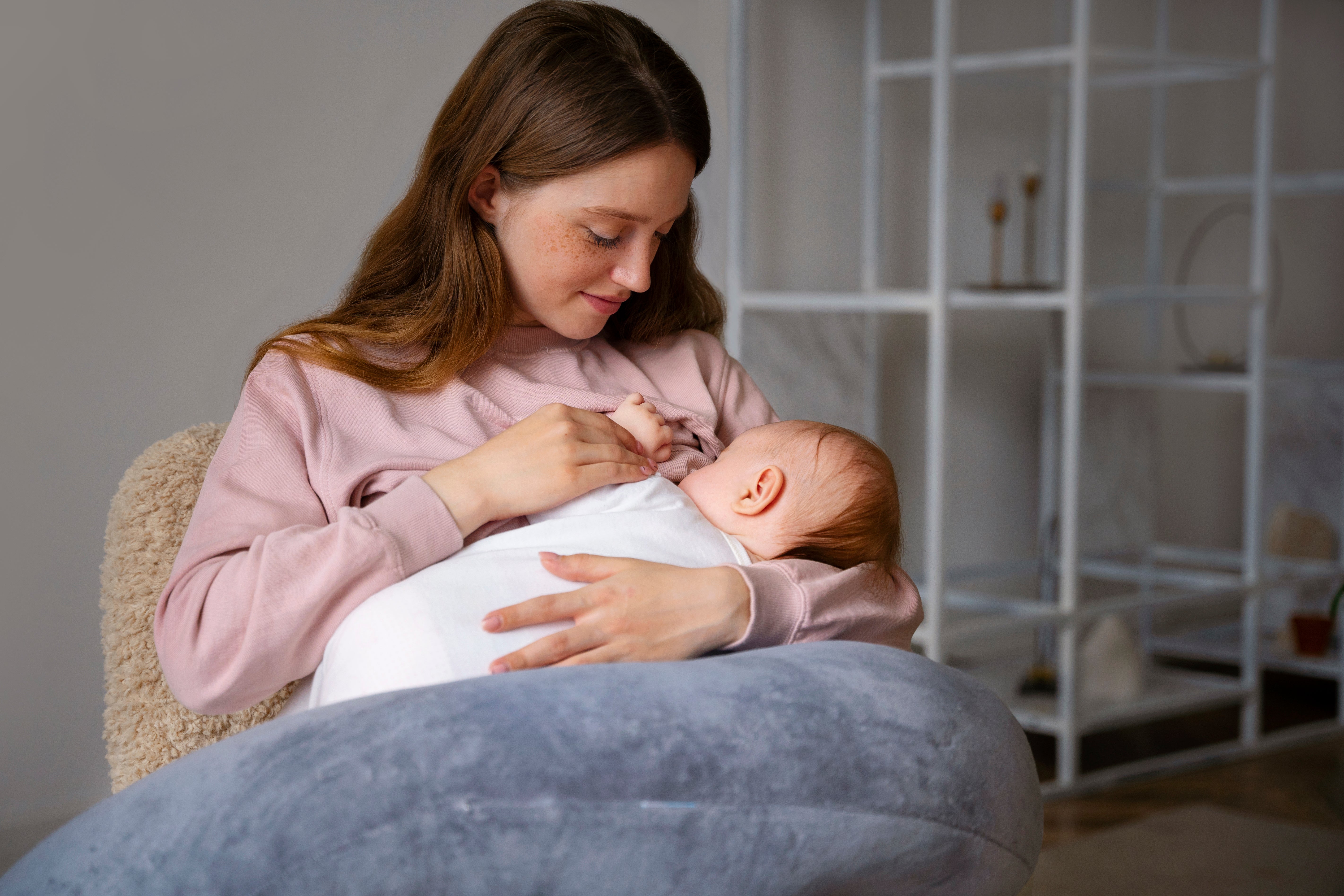
Breastfeeding itself is like an intimate "date"—close physical contact, warm skin-to-skin moments, and frequent eye contact all quietly strengthen the Close Bond between you. Even more magical is that when your baby starts to suckle, your body releases a hormone called oxytocin, also known as the "love hormone." It not only fills you with feelings of love and trust but also enhances emotional intimacy, creating a heartwarming positive feedback loop. Every feeding session becomes a two-way exchange of love, providing your baby with security and giving you a sense of peace.

Mum and Newborn-Building the Bond

But if you choose bottle feeding, don’t worry! Bottle feeding can also be a wonderful opportunity to build an emotional connection. The key isn’t the feeding method itself but how you fill those moments with love and closeness. Try these tips to make bottle feeding just as warm and special:

  • Hold them right: Position your baby semi-upright, making sure their head and neck are well-supported. This mimics the closeness of breastfeeding.
  • The magic of eye contact and voice: During feeding, maintain eye contact and softly talk or sing to your baby. This interaction will make them feel loved and cared for.
  • Paced feeding: Use a slow-flow teat and let your baby control the pace, mimicking the natural rhythm of breastfeeding. This not only helps your baby recognise fullness but also creates a more relaxed feeding environment.

Of course, if your baby won’t make eye contact yet, don’t stress! Newborns are still learning to adjust to the world. Keep talking, smiling, and holding them close, and soon enough, they’ll respond with those sparkling little eyes!

This attachment phase is such a beautiful reminder—your baby doesn’t just rely on you for food; they need your emotional support and comfort too. Every hug, every gentle whisper, tells them, “Don’t worry, Mummy’s here.”

So, whether it’s breastfeeding or bottle feeding, as long as you pour your heart into it, your Close Bonding will only grow stronger. After all, the power of love isn’t limited to just one way, right?

Infant Close Bonding: Let the Games Begin!

As your baby grows day by day, your Close Bond becomes even more fun and interactive! Games like peek-a-boo, tickling, or even making silly faces can send your little one into fits of giggles, creating a treasure trove of happy memories. These little moments of laughter and play aren’t just adorable—they’re the "super glue" of your emotional connection!

Reading books together, singing lullabies, or simply dancing around the living room with your baby in your arms are all wonderful ways to show love and attention. These seemingly simple interactive games are actually crucial for your baby’s early communication and bonding experience. They help your little one learn social interaction, understand emotions, and even start expressing their own tiny feelings. More importantly, these activities let your baby feel your responsiveness and care, building their trust in the world around them.

Mum and Newborn-Close Bonding

For example, peek-a-boo not only makes your baby laugh but also subtly teaches them the concept of object permanence—even when they can’t see you, you’re still there! Mimicking your baby’s facial expressions, like sticking out your tongue or opening your mouth wide, helps them develop social skills and emotional recognition. And when your baby coos or babbles, respond as if you’re having a conversation. This "dialogue" isn’t just fun—it lays an important foundation for future language development.

These interactions are like a two-way journey of love, not only making your baby feel seen and heard but also engaging their senses—touch, sight, hearing, and even smell! Every touch, every glance, and every gentle word contributes in its own unique way to your baby’s overall well-being while deepening their Close Bond with you or other caregivers.

So, don’t underestimate these little games and interactions—they’re the "secret weapon" of your emotional connection! Every laugh, every response, tells your baby, "Hey, I’m here, and I’ll always be with you!"

The Role of Dads and Partners in Bonding

Bonding isn’t just a “mum thing”! Dads and partners, you’re key players in this “love relay race.” Skin-to-skin contact with Dad works wonders too—it builds your baby’s sense of security and gives Mum a chance to rest (and maybe sneak in a shower!).

A partner’s involvement is crucial for your baby’s development. Active participation from Dad or a partner boosts your baby’s emotional security, social skills, and cognitive growth, while lifting the whole family’s happiness. Research shows that kids with involved fathers or partners thrive in many ways. Why? Because they get a wider range of interactions and experiences, helping them grow more resilient and adaptable.

The Role of Dads and Partners in Bonding

Plus, a strong co-parenting relationship creates a stable and loving environment, allowing your little one to flourish. For new mums, a partner’s support is like a “stress-busting superpower.” It directly impacts Mum’s mood and her ability to build a secure, loving bond with the baby.

When Mum faces challenges like breastfeeding difficulties or postnatal struggles, a partner’s support becomes especially important. It eases Mum’s burden and ensures the baby’s need for secure attachment is fully met.

One dad, Mike, shared his experience: “The first time I held my son skin-to-skin, I felt this surge of protectiveness. It was like, ‘Hey, little guy, I’ve got you.’” Family bonding is a team effort, and every moment spent together strengthens the Close Bond between baby and parents.

So, dads, don’t hold back! Join this “love relay race” and use your hugs, presence, and support to create a world full of love and security for your baby.

Family Bonding Made Easy: Routines That Build Security and Love!

Babies thrive on routine. Establishing regular feeding, sleeping, and playtime schedules helps your little one feel safe and secure. When they know what to expect, they’re more likely to feel calm and content.

Consistency is key! Whether it’s responding to their cries, feeding them on time, or soothing them to sleep, your reliability builds trust—and trust is the foundation of a Close Bond.

Family Bonding

Want to create the perfect environment for your baby? Start by managing sensory inputs at home. Control noise and light levels, and create a safe, comfortable, and stimulating space. This supports your baby’s physiological regulation, promotes peaceful sleep, and fosters a strong sense of security. By designing a calm, organised, and predictable environment, you can minimise stressors and optimise conditions for your baby’s healthy development and bonding experience.

Parents’ emotional well-being, especially Mum’s (often the primary caregiver), plays a huge role in the family environment. It directly impacts your baby’s emotions, sense of security, and the quality of your attachment. Babies are like “emotional radars”—they pick up on caregivers’ emotional cues. If parents are under prolonged stress, anxiety, or depression, it can unintentionally affect their baby’s emotional state and development.

So, mums and dads, prioritise your emotional health! When you’re feeling overwhelmed, seek support. This not only helps you but also creates a stable, predictable, and loving environment for your baby—the ultimate “incubator” for healthy Close Bonding and secure attachment.

Signs of Strong Bonding

How do you know if you’re bonding well with your baby? Look for these signs:

  • Your baby calms down when you hold them.
  • They make eye contact and smile at you.
  • They respond to your voice and touch.
  • They seek comfort from you when upset.

And for mums, that overwhelming feeling of love—even when you’re exhausted—is a sure sign that the Close Bond is growing.

The Joy of Close Bonding

As the months go by, that initial First Bonding evolves into something even more profound. The late-night feedings, the giggles during playtime, and even the messy nappy changes all contribute to a Close Bonding that’s unbreakable. One mum, Jessica, put it perfectly: “It’s like we’ve created our own little language. I know her cries, her smiles, her quirks. She’s my tiny best friend.”

Final Thoughts

From that first skin-to-skin moment to the countless cuddles and milestones, the bond between mum and newborn is one of the most beautiful relationships in the world. It’s not always easy, but it’s always worth it. So, to all the mums out there—whether you’re a soon-to-be parent or already in the thick of motherhood—embrace the journey. Your baby loves you, needs you, and is forever attached to you in ways words can’t fully capture.

And hey, if they’re touching your face during feeding or refusing to make eye contact, just remember: they’re still figuring this whole “being a human” thing out. You’re doing great, mama!

Previous Post Next Post