Australia's Top 100 Baby Names 2025

Australia’s Top 100 Baby Names 2025

Choosing a baby name is one of the most exciting parts of preparing for a new arrival. Each year, naming trends evolve, reflecting cultural influences, generational shifts, and parents’ desire for both meaning and individuality.

According to the Baby Names Australia Report 2025 by McCrindle, classic favourites continue to dominate, while softer, shorter, and nickname-style names are steadily rising in popularity across Australia.

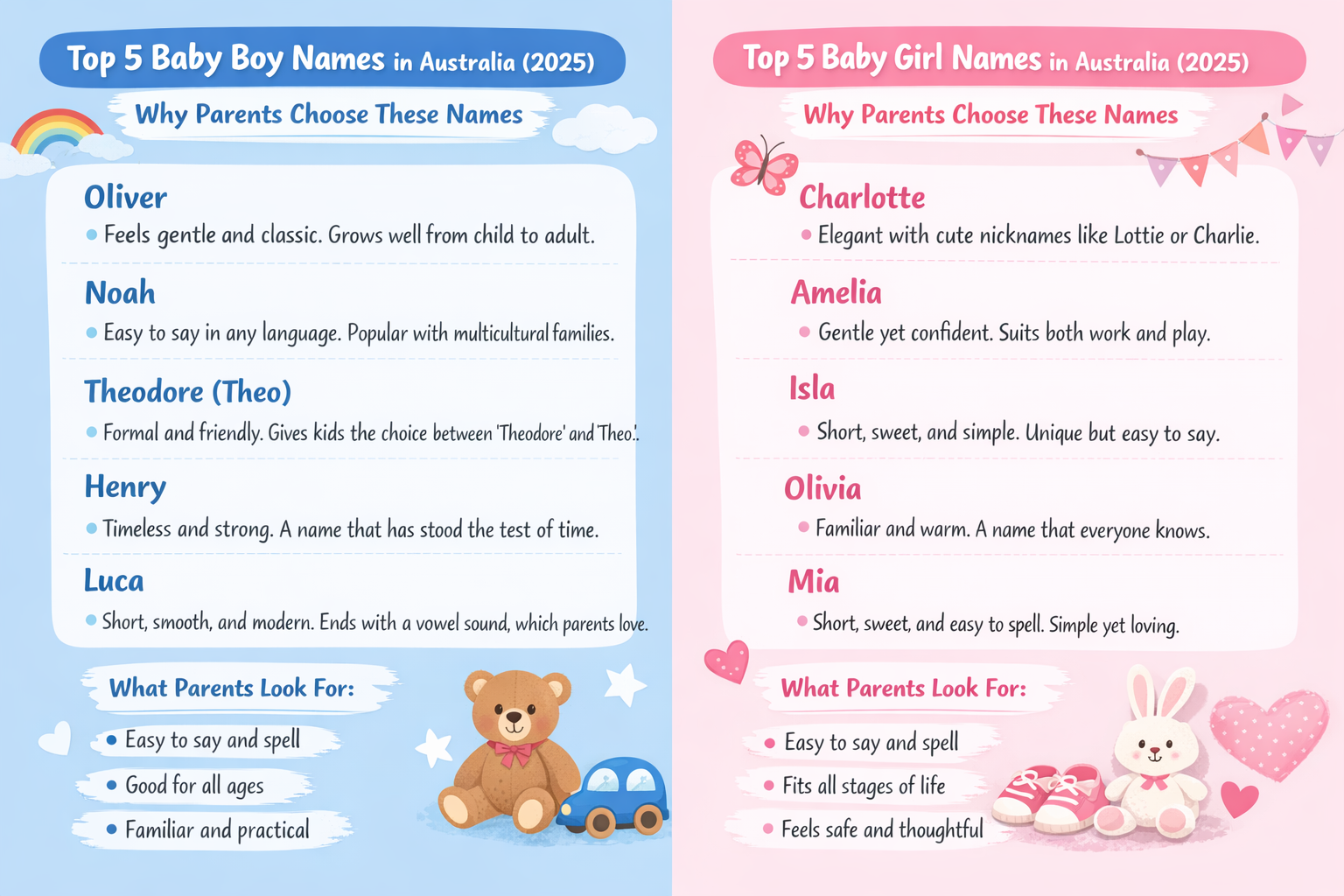
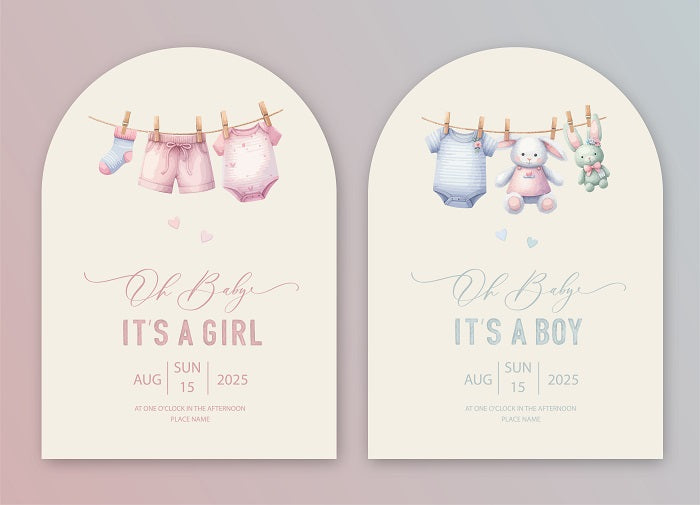
I have put together an imagery based on the top 5 baby boy and girl names in Australia if you’re only interested in the top names. Other than that, the rest of the top 100 baby names for both boys and girls in Australia are below.

Below are the full Top 100 baby names for boys and girls in Australia for 2025, as per cited from McCrindle Baby Names Australia Report 2025.

Top 100 Boys Names

# Name
1 Oliver
2 Noah
3 Theodore
4 Henry
5 Luca
6 Leo
7 Hudson
8 Charlie
9 Jack
10 William
11 Levi
12 Elijah
13 Lucas
14 Thomas
15 Archie
16 Oscar
17 Harvey
18 James
19 Arthur
20 Kai
21 George
22 Alexander
23 Liam
24 Harrison
25 Archer
26 Hugo
27 Sebastian
28 Harry
29 Beau
30 Arlo
31 Max
32 Isaac
33 Cooper
34 Xavier
35 Ethan
36 Lachlan
37 Austin
38 Muhammad
39 Mason
40 Hunter
41 Theo
42 Edward
43 Finn
44 Louis
45 Sonny
46 Samuel
47 Ezra
48 Eli
49 Patrick
50 Benjamin
51 Jasper
52 Miles
53 Luka
54 Jude
55 Riley
56 Angus
57 Lincoln
58 Jordan
59 Billy
60 Jacob
61 Gabriel
62 Felix
63 Bodhi
64 Carter
65 Joseph
66 Jackson
67 Parker
68 Darcy
69 Spencer
70 Myles
71 Louie
72 Ryan
73 Roman
74 Leon
75 Asher
76 Flynn
77 Jayden
78 Logan
79 Elias
80 Daniel
81 Vincent
82 River
83 Remy
84 Ali
85 Koa
86 Adam
87 Fletcher
88 Joshua
89 Grayson
90 Aiden
91 Isaiah
92 Tommy
93 Alfie
94 Finley
95 Julian
96 Caleb
97 Leonardo
98 Lennox
99 Rory
100 Maverick

Top 100 Girls Names

# Name
1 Charlotte
2 Olivia
3 Amelia
4 Mia
5 Ava
6 Chloe
7 Isla
8 Grace
9 Sophie
10 Ella
11 Lily
12 Harper
13 Ivy
14 Matilda
15 Hazel
16 Willow
17 Evelyn
18 Isabella
19 Violet
20 Florence
21 Audrey
22 Sophia
23 Millie
24 Maeve
25 Eleanor
26 Zoe
27 Ellie
28 Elsie
29 Evie
30 Aria
31 Layla
32 Billie
33 Poppy
34 Luna
35 Penelope
36 Aurora
37 Freya
38 Maya
39 Remi
40 Ayla
41 Eloise
42 Georgia
43 Bonnie
44 Mackenzie
45 Zara
46 Sadie
47 Scarlett
48 Emilia
49 Isabelle
50 Frankie
51 Eden
52 Abigail
53 Emily
54 Hannah
55 Olive
56 Alice
57 Harriet
58 Delilah
59 Lola
60 Summer
61 Stella
62 Rosie
63 Eliana
64 Maisie
65 Phoebe
66 Margot
67 Nora
68 Hallie
69 Pippa
70 Imogen
71 Adeline
72 Elizabeth
73 Emma
74 Eva
75 Lottie
76 Savannah
77 Maggie
78 Rose
79 Kaia
80 Bella
81 Addison
82 Lyla
83 Jasmine
84 Charlie
85 Elodie
86 Amara
87 Claire
88 Lainey
89 Piper
90 Thea
91 Skye
92 Clara
93 Mila
94 Heidi
95 Maddy
96 Lola
97 Luna
98 Ruby
99 Sienna
100 Aaliyah

Source: McCrindle Research – Baby Names Australia Report 2025

Reference: https://mccrindle.com.au/article/topic/generation-alpha/generation-alpha-defined/ 

Reference: https://mccrindle.com.au/resource/report/baby-names-report-2025/ 

Previous Post Next Post
Early Pregnancy Cramps

Early Pregnancy Cramps: What’s Normal, What’s Not, and How to Cope

If you’ve recently found out you’re pregnant, congratulations! You’re probably feeling a mix of excitement — and let’s be honest, a little nervousness too. Your body’s changing in ways you might have never imagined, and it’s normal to have questions, especially when you notice something unexpected like cramping.

I remember when I first saw those two lines on my pregnancy test, and then felt those twinges in my belly. My mind went everywhere: “Is this normal? Should I be concerned?” So, if you’re experiencing early pregnancy cramps, you’re not alone — and in most cases, it’s not a reason to panic.

Let’s talk about what those cramps might mean, how to tell the difference between normal and “not-so-normal," and ways to ease the discomfort. Think of this as advice from a friend — not just a list of medical terms.

Why Do Cramps Happen in Early Pregnancy?

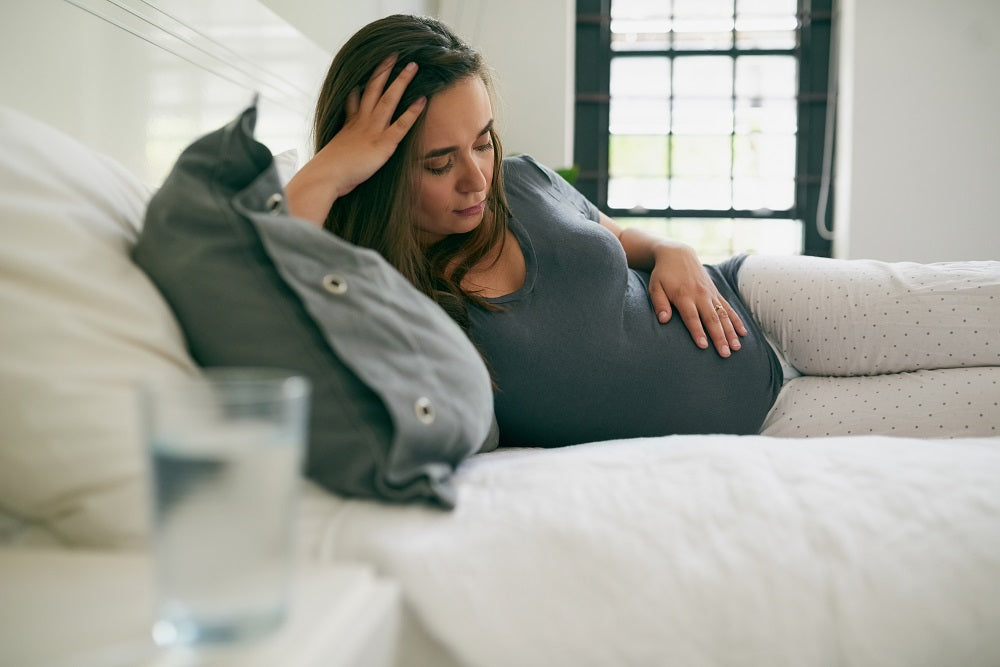
Short answer: your body is working overtime. Seriously, it’s like a backstage crew rearranging everything to set the stage for your baby. Mild cramps are often just your uterus stretching and making room for its new guest — this is especially common early on.

Some women notice implantation cramping. It's often described as a gentle ache, almost like the start of a period but not quite. If you notice this around the time your period was due, it could just be your body saying, “Welcome, baby!”

Common (and Not-So-Scary) Reasons for Early Pregnancy Cramps

  • Growing Uterus: Your uterus is expanding, and sometimes your ligaments — especially the so-called round ligament — stretch or pull a bit. You might feel quick, sharp twinges if you stand up too fast or twist your body.
  • Gastrointestinal Ups and Downs: Raise your hand if pregnancy has gifted you with weird digestion. Hormones like progesterone slow everything down, which might mean more gas, bloating, and even constipation. Honestly, it’s not glamorous, but it’s super common. Sometimes, what feels like a cramp is just your body dealing with yesterday’s dinner.
  • Dehydration: It’s so easy to forget to drink enough water, especially if you’re feeling blah. But when you’re dehydrated, your muscles — including your uterus — notice. Keeping a water bottle handy can make all the difference.
  • Urinary Tract Infections (UTIs): You might wind up with a UTI, which brings its own set of cramps, especially lower down. If it burns when you pee or you’re running to the bathroom every five minutes, call your doc.

Early Pregnancy Cramps: Causes & Guidelines

Cramping After Specific Activities or Triggers: What to Expect

Ever notice those occasional twinges after getting a little more active or intimate than usual? Many expectant moms find that cramping can show up after specific activities or triggers, and it's often nothing to worry about.

For example, cramping after sex is pretty common in early pregnancy. The combination of increased blood flow, mild uterine contractions during orgasm, and sensitivity in pelvic muscles can lead to some discomfort. Similarly, an active exercise routine — especially if you're new to working out or pushing yourself a bit — can trigger cramps, especially if you forget to hydrate or if you've been standing for long periods.

Round ligament pain may make its debut when you're changing positions quickly — say, getting out of bed too fast or turning sharply while walking. This can feel like a sudden, sharp twinge on one side of your lower abdomen. If you're standing for long stretches or moving around a lot, muscles and ligaments supporting your uterus can get a workout, triggering mild cramping or discomfort. Some women find relief by wearing a pregnancy support belt to take the edge off.

Don't forget those lovely digestive changes: constipation, trapped wind, and passing gas can bring about cramps as well. It's wild how much your gut can affect your comfort levels!

And while most cramping after activity is harmless, remember to listen to your body. Dehydration can make cramps worse, so keep a water bottle handy, and take breaks if you start feeling achy. Gentle movement, lots of fluids, and giving yourself permission to slow down all help. Occasionally, you may also notice Braxton Hicks contractions popping up later in pregnancy — these are "practice contractions" and are usually harmless, but if they persist, check with your midwife or doctor.

Every pregnancy is different. If cramping feels sharp, lasts longer than expected, or comes with other symptoms, reach out for advice.

Sometimes Cramping Is a Red Flag

Now, most early cramps are harmless, but there are times when your body is waving a flag and asking you to pay closer attention.

  • Ectopic Pregnancy: This is rare, but super important to catch. If you feel sharp pain on one side, or you’re bleeding more than a little, and you feel faint or dizzy, get help — fast. Ectopic pregnancies usually come with intense pain and definitely need a doctor’s care.
  • Miscarriage Worries: If your cramps ramp up and are paired with heavy bleeding or tissue passing, call your provider. It’s heartbreaking, but it’s better to know what’s going on and get support if you need it.
  • Placental Abruption or Preterm Labor: This is much less common early on, but if you have severe, sudden cramps, lots of bleeding, or your tummy feels hard and sore, please get checked out right away.

What Can You Do When Pregnancy Cramps Strike?

Having gone through this myself, and having many chats with moms-to-be, there are a few tried-and-true things that help:

  • Drink up! Keep that water bottle close — hydration really helps your body cope.
  • Move your body gently: Sometimes a walk is just the ticket. It helps with both cramps and those pesky gastrointestinal issues.
  • Eat well: Trust me, fiber is your friend. Foods like oatmeal, fruits, and veggies can keep constipation from making cramps worse.
  • Relax and rest: Take it easy when you need to. A cozy blanket and a warm (not hot) compress can make a world of difference.
  • Listen to your body: No one knows your body better than you. If something feels off, it’s always better to check in with your healthcare provider — even if it’s just for reassurance.

Real Talk: Everyone’s Experience Is Unique

Some days you'll barely notice a thing, and other days, you'll wonder why a walk around the block feels more like a marathon. Those cramps can be scary, especially if it's your first pregnancy, but most of the time, they're just a sign your body is doing its job.

Remind yourself: You're growing a whole human. The backstage crew is on breakneck speed, and occasional cramps are just part of the show. If you ever feel unsure, reach out to your doctor — that's what they're there for.

The Bottom Line

Early pregnancy cramps can be confusing and sometimes worrying, but you're not alone on this journey. Most cramps relate to normal changes like implantation, uterine growth, or changes in digestion. Sometimes, they signal something more serious like a UTI or ectopic pregnancy — which is why listening to your body, trusting your gut, and keeping in touch with your healthcare provider matters.

Take care of yourself, drink your water, and remember — you've got this. If something feels "off," don't hesitate to ask for help. Every pregnancy is its own adventure, and there's no such thing as a silly question.

Previous Post Next Post
Full Guide: Top 1 to 3 Month Pregnancy Diet Chart: Nutrients & Meal Plans

Full Guide: Top 1 to 3 Month Pregnancy Diet Chart: Nutrients & Meal Plans

Key Takeaways

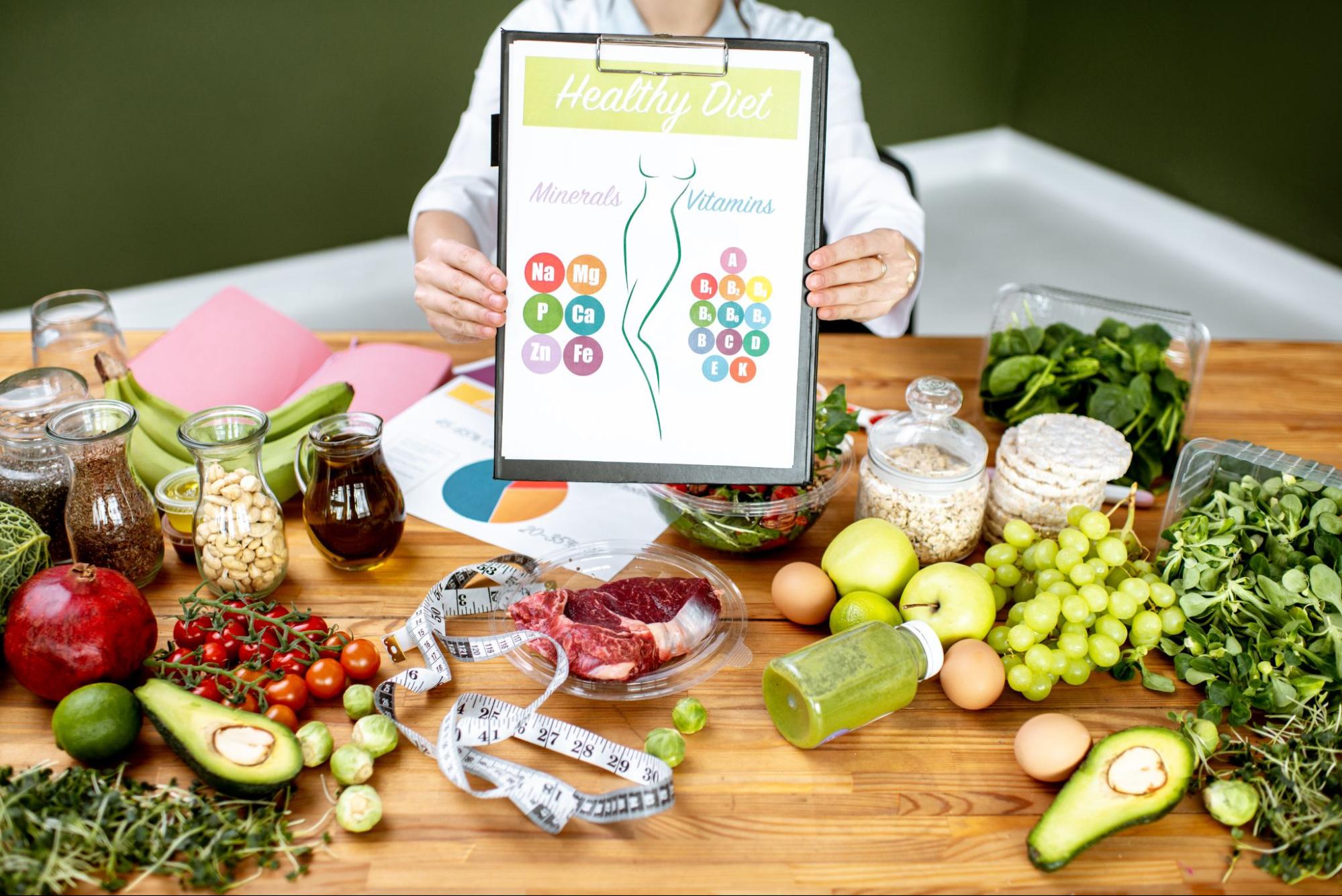
  • A balanced diet in the first trimester is crucial for the baby’s development and the mother’s health, including essential nutrients such as folic acid, iron, calcium, and vitamin D.
  • Weekly meal plans can effectively manage the dietary needs during early pregnancy, focusing on nutrient-rich foods while addressing common symptoms like morning sickness and fatigue.
  • Certain foods, including soft cheeses, raw meats, and high-mercury fish, must be avoided during pregnancy to reduce risks of foodborne illnesses and protect both maternal and fetal health.

Nutritional Needs in the First Trimester

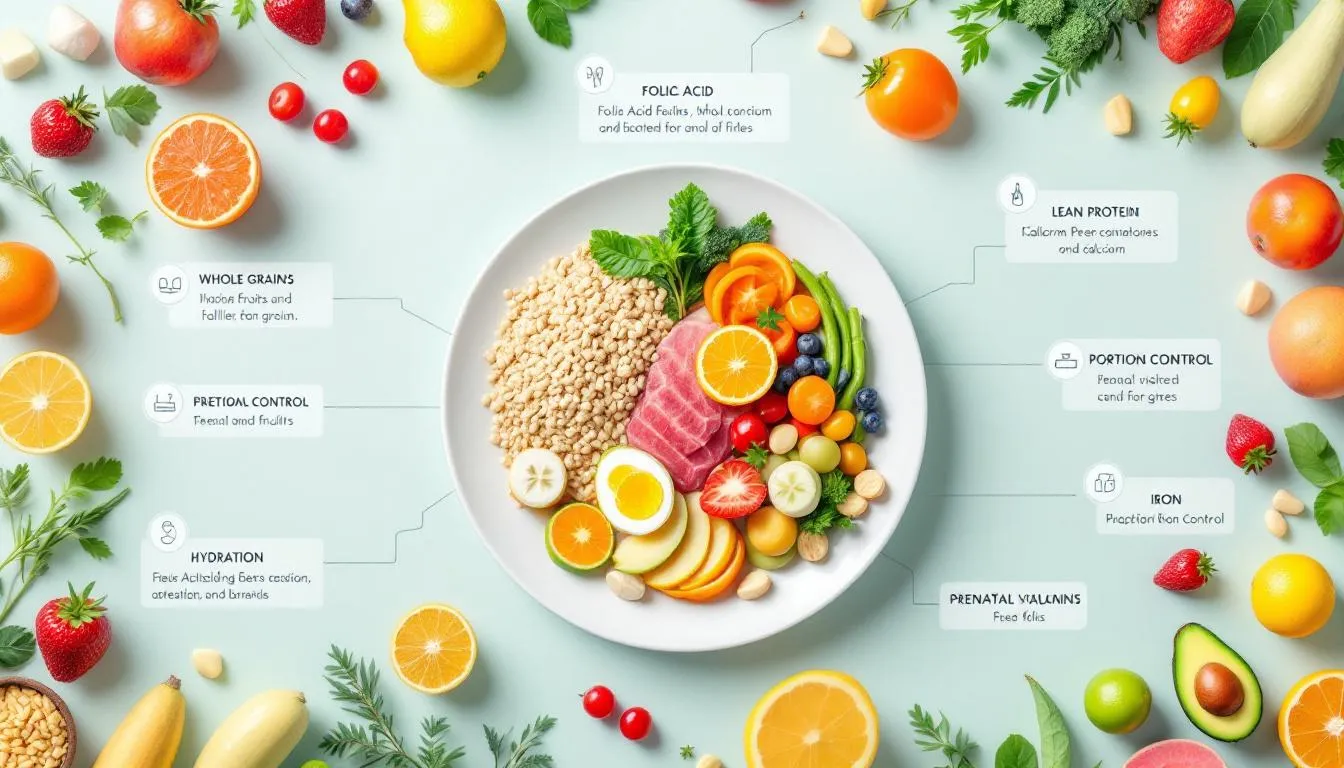
Nutritional needs for pregnant women in the first trimester.

The first trimester is foundational for both the baby’s development and the mother’s health. A balanced diet during early pregnancy supports the baby’s health, growth, and development, while enhancing maternal energy and strength. Maintaining a varied diet with the following is crucial for nutritional needs during pregnancy:

  • Fruits
  • Vegetables
  • Whole grains
  • Protein sources

Key nutrients in higher demand during pregnancy include:

  • Iron
  • Calcium
  • Iodine
  • Vitamins

Folic acid, iron, calcium, and vitamin D are critical for fetal development in the first trimester. A diverse diet provides both the mother and baby with essential nutrients for good health.

Understanding the specific nutritional needs during the first trimester can help pregnant women make informed choices that benefit both their health and certain nutrients that support their baby’s growth. The importance of these nutrients will be detailed further.

Key Nutrients for Early Pregnancy

Folic acid is vital in preventing neural tube defects and should be consumed at a rate of 600 to 1,000 micrograms per day. Good sources of folic acid include:

  • fortified cereals
  • dark leafy vegetables
  • citrus fruits
  • dried beans
  • peas
  • lentils.

Iron is crucial during the first trimester to help carry oxygen to the growing baby and support increased blood volume. Good sources of iron include enough iron from:

  • lean red meat
  • poultry
  • fish
  • iron-fortified cereals
  • beans
  • vegetables.

Calcium intake is essential for the development of strong bones and should be consumed at a daily rate of 1,000 milligrams. Good sources of calcium include:

  • dairy products
  • broccoli
  • kale
  • fortified fruit juices
  • breakfast cereals.

Vitamin D is critical for fetal development, particularly for baby’s bones and teeth, and should be taken at 600 IU per day. Good sources of vitamin D include fatty fish, fortified milk, and orange juice.

A daily prenatal vitamin can help fill any nutritional gaps, ensuring pregnant women receive the essential nutrients necessary for a healthy pregnancy and baby’s growth. Incorporating these key nutrients into a pregnancy diet is vital for both maternal and fetal health.

Recommended Daily Intake

Daily prenatal vitamins are important during early pregnancy to fill nutritional gaps and maintain balance. The recommended daily intake of iron during pregnancy is 27 milligrams. For pregnant teenagers, the daily calcium intake recommendation increases to 1,300 milligrams. The daily recommended intake of vitamin D for pregnant women is 400 IU (10 micrograms). Three essential nutrients that should be taken as a supplement during pregnancy are folic acid, iron, and vitamin D.

Here's a chart for the above:

Nutrient

Daily Intake (mg)

Sample Foods

Iron

27

Cooked Lentils, Broccoli, Fortified Cereal

Calcium

1,300

Cheddar Cheese, Orange Juice, Broccoli

Vitamin D

0.1

Baked Salmon, Fortified Yogurt

Example of a Daily Meal that fits the above Criteria

Meal

Food

Iron (mg)

Calcium (mg)

Vitamin D (IU)

Breakfast

1 boiled egg + 1 slice whole grain toast + 1 cup fortified orange juice

1.8

300

137


1 cup fortified cereal (e.g., Total, Special K) with 1 cup low-fat milk

18

300

115

Snack 1

1 cup low-fat yogurt + handful of almonds

0.2

300

80

Lunch

Grilled chicken breast (100g) + quinoa salad + spinach

2.0

60

0


1 cup steamed broccoli

1.0

60

20

Snack 2

1 slice cheddar cheese + 1 medium orange

0.2

200

10

Dinner

Baked salmon (120g) + sweet potato + sautéed kale

1.2

100

450


½ cup cooked lentils

3.3

20

0

Dessert

1 small bowl fortified soy pudding or fortified ice cream

0.5

100

40

If a pregnancy test shows low iron, consider an iron supplements as recommended by a doctor or dietitian. Consult with a doctor, midwife, or dietitian for guidance on additional mineral supplements and other supplements if you have low levels of any vitamin or mineral.

Following these recommendations ensures that pregnant women maintain a healthy diet and meet their nutritional needs with the guidance of a health practitioner.

1 to 3 Month Pregnancy Diet Chart (Week by Week)

1 to 3 month pregnancy diet nutrients breakdown

Creating a weekly meal plan helps manage diet effectively during the first trimester. Structured meal plans ensure that pregnant women receive the necessary nutrients while also accommodating any dietary restrictions or preferences. The following sections will provide detailed sample weekly meal plans to guide you through the first twelve weeks of pregnancy.

Sample Weekly Meal Plan for Weeks 1-4

Week 1 breakfast includes oatmeal with banana and chia seeds. In the second week, breakfast options include fresh seasonal fruits like mangoes and pomegranates, along with dry fruits. For breakfast options in Week 3, you can choose between scrambled eggs with spinach, tomatoes, and onions. Alternatively, you can opt for besan cheela (chilla) with vegetables. In Week 4, breakfast includes a smoothie. The smoothie is made with almond milk, protein powder, bananas, and berries.

A typical plan looks like what you'll see below:

Week

Meal

Options / Description

Portion Size

Week 1

Breakfast

Oatmeal with banana and chia seeds

1 cup oatmeal + 1 banana + 1 tbsp chia


Lunch

Mixed vegetable curry with brown rice

1 cup curry + 1 cup rice


Dinner

Moong dal with chapati and sautéed spinach

1 cup dal + 2 chapatis + ½ cup spinach

Week 2

Breakfast

Fresh fruits (mango, pomegranate) and dry fruits

1 cup fruit + 10 almonds or 5 dates


Lunch

Kathi roll with grilled paneer/chicken and salad

1 wrap + 100g protein + 1 cup salad


Dinner

Grilled fish or tandoori tofu with quinoa and steamed green beans

100–120g fish/tofu + ½ cup quinoa + 1 cup beans

Week 3

Breakfast

Scrambled eggs with spinach, tomatoes, and onions OR besan cheela (chilla) with veggies

2 eggs + ½ cup veg OR 2 cheelas


Lunch

Chole (chickpeas) with brown rice or roti

1 cup chole + 1 cup rice or 2 rotis


Dinner

Vegetable stir-fry with tofu and whole wheat noodles

1 cup stir-fry + 100g tofu + 1 cup noodles

Week 4

Breakfast

Smoothie (almond milk, protein powder, banana, berries)

1 cup almond milk + 1 scoop protein + 1 banana + ½ cup berries


Lunch

Quinoa salad with avocado, cucumber, cherry tomatoes, and boiled eggs

1 cup quinoa + ½ avocado + 2 eggs + 1 cup mixed veg


Dinner

Baked rohu fish OR paneer with masala corn and steamed peas

120g fish OR 100g paneer + ½ cup corn + ½ cup peas

Sample Weekly Meal Plan for Weeks 9-12

Iron is crucial for maintaining energy levels during pregnancy and supports increased blood volume. Sources of iron-rich foods include lean red meat, poultry, fish, spinach, and legumes. Complex carbohydrates provide sustained energy and help in managing blood sugar levels effectively during pregnancy. Examples of complex carbohydrate sources include whole grains, oats, brown rice, and quinoa.

For Weeks 9-12, focus on incorporating these iron-rich and energy-boosting foods into your meals. Plan breakfasts with whole grain oats and fruits, lunches with spinach salads and lean meats, and dinners with brown rice and legumes. This meal plan supports your energy needs and overall nutrition as you progress through the first trimester.

Looking for Pregnancy Diet Snack Options?

We've also considered your need to have a snack and so we've put together a few options for you too!

Snack

Description

Portion Size

Mid-Morning Snack

Greek yogurt with honey and flax seeds

1 cup yogurt + 1 tsp honey + 1 tsp flax

Afternoon Snack

Whole grain crackers with hummus

4–5 crackers + 2 tbsp hummus

Evening Snack

Fruit smoothie or a glass of warm milk

1 small smoothie OR 1 cup milk

Optional Night Snack

Handful of walnuts or roasted chickpeas

~10 walnuts OR ½ cup roasted chana

Foods to Avoid in Early Pregnancy

Foods to avoid in early pregnancy for pregnant women. - Soft Cheese Example.

During pregnancy, certain foods should be avoided to protect both maternal and fetal health. These include:

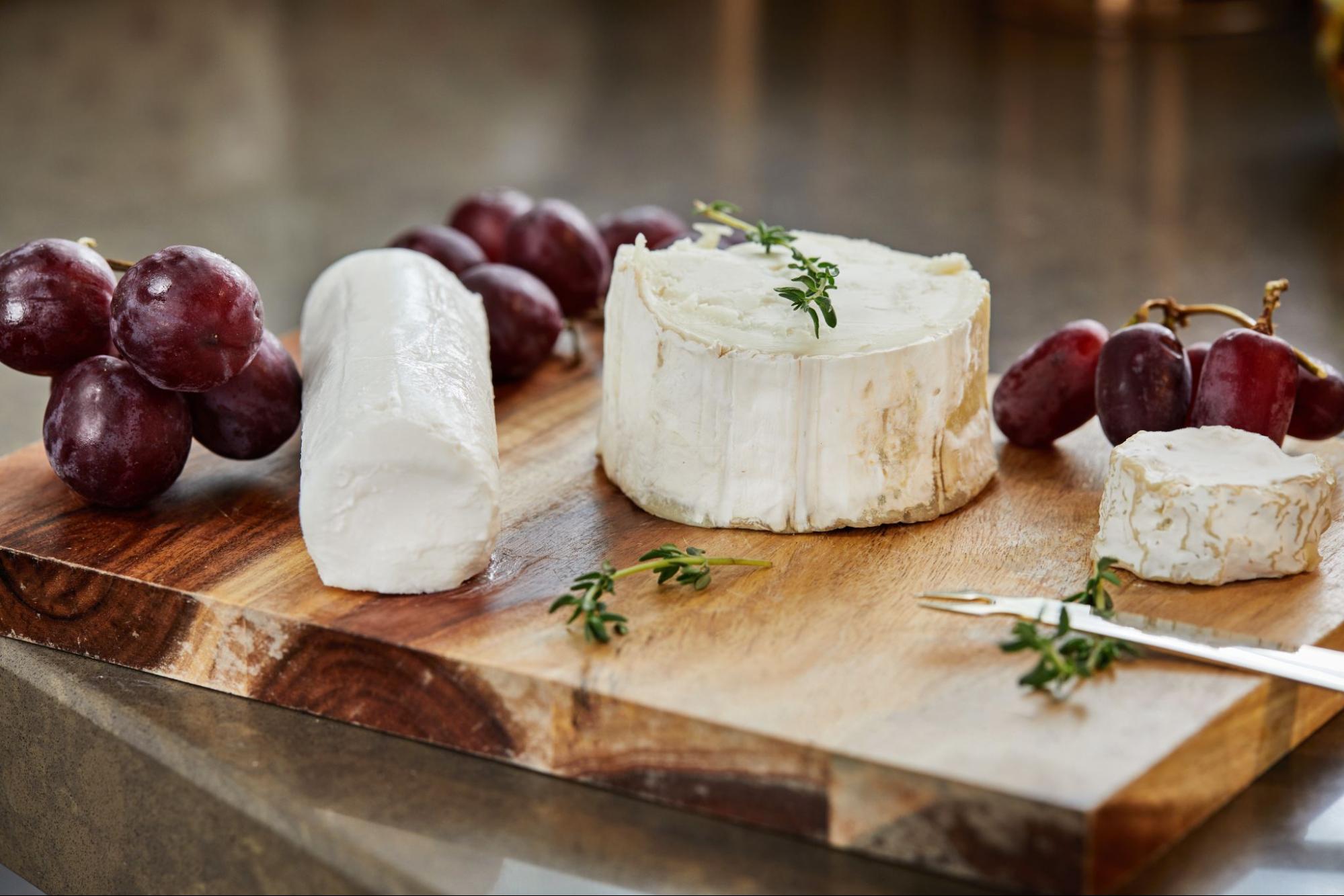
  • Soft cheeses
  • Unpasteurized milk
  • Raw meat, fish, and eggs
  • Pre-packaged salads (due to the risk of contamination)

These foods pose potential risks of harmful germs that could harm the baby.

Understanding whichfoods to avoid can help you make safer choices in your pregnancy diet. The following sections will provide detailed lists of high-risk foods and harmful substances to steer clear of during the first trimester.

High-Risk Foods (Avoid)

Foods to avoid during pregnancy include:

  • Soft cheeses like brie, feta, and blue due to the risk of listeria.
  • Certain Fishes such as mackerel, shark, swordfish, and tilefish because of their high mercury content.
  • Processed meats unless they are thoroughly cooked to a safe temperature of at least 165°F.

Avoiding high-risk foods is crucial to protect both maternal health and the unborn baby. Raw eggs should be avoided to prevent exposure to salmonella. Being mindful of these foods reduces the risk of foodborne illnesses and ensures a healthier pregnancy. I have also recommended above the Cheddar cheese for instance, variations of food should also be researched prior to consumption if unsure, as you can see, Soft cheese are classed as high-risk foods but Cheddar cheese in low portions are good sources of nutrients.

Harmful Substances

Avoiding certain harmful substances is vital for a healthy pregnancy diet. Substances such as alcohol,excessive caffeine, and unpasteurised dairy products should be avoided. Excessive added sugar intake can lead to complications such as gestational diabetes.

Maintaining a balanced diet while avoiding excessive caffeine, alcohol, and high-sugar foods is important for a healthy pregnancy. Too much caffeine can lead to an increased risk of miscarriage, low birth weight, and excessive weight gain. By steering clear of these substances, you can support a healthier pregnancy journey.

Managing Common First Trimester Symptoms Through Diet
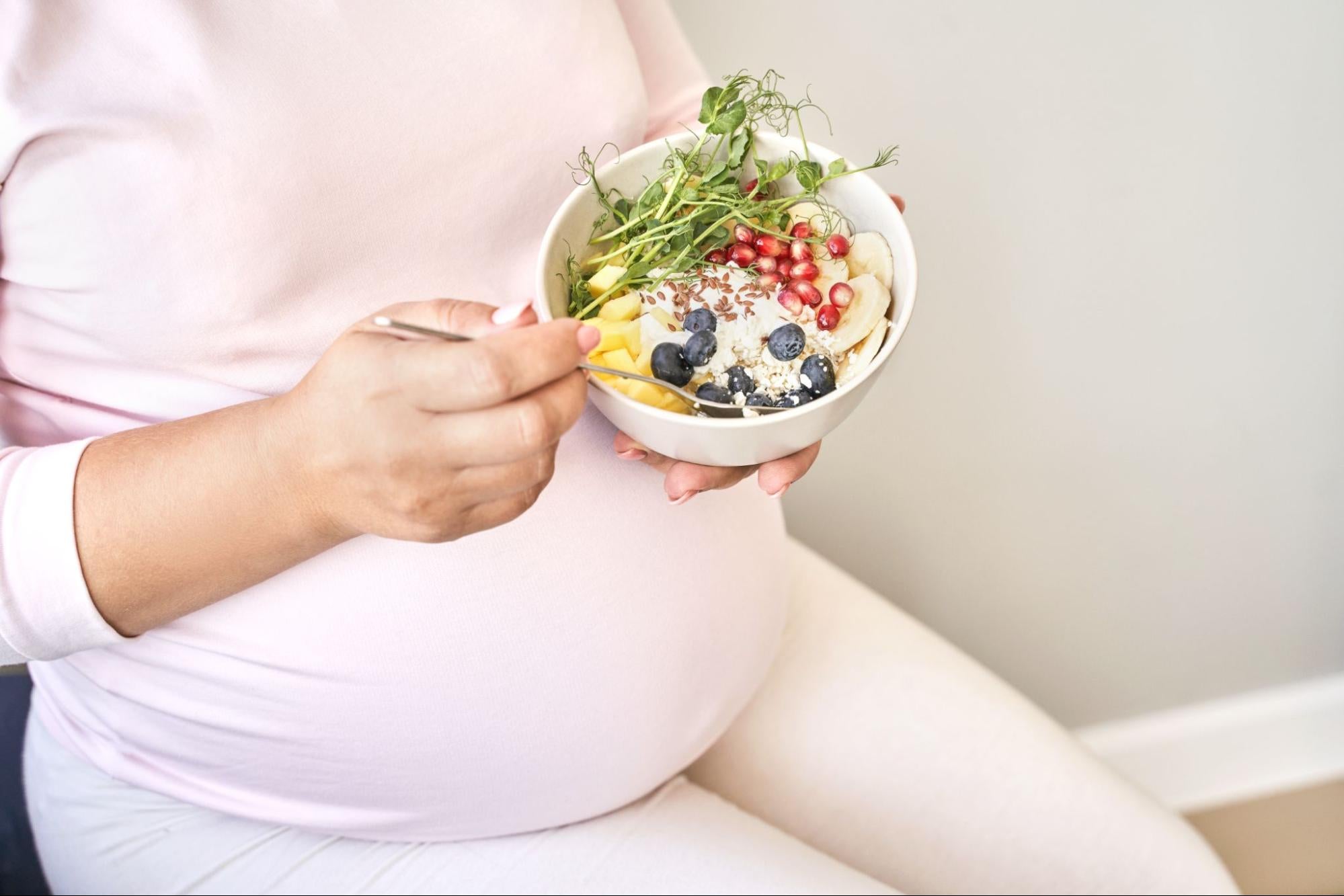
Foods that are bland and easy to digest can reduce nausea and vomiting associated with morning sickness. Foods with a mild flavor and easy on the stomach, such as oatmeal and bananas, can be beneficial during morning sickness. Frequent, smaller meals can help stabilize blood sugar levels and reduce nausea during early pregnancy.

Sipping on ginger-infused beverages is a popular method for managing nausea associated with morning sickness. Drinking water is essential, and pregnant individuals should aim for at least eight glasses a day to stay adequately hydrated.

Morning Sickness

Morning sickness is a common experience during early pregnancy, making dietary management important. Suggested remedies for managing morning sickness include ginger tea, small frequent meals, and crackers or dry cereal. Recommended soothing options during weeks 5-8 include ginger tea and crackers, which can alleviate nausea.

During weeks 5-8, it’s vital to include easily digestible foods to alleviate morning sickness. Incorporating these foods into your diet can make a significant difference in managing morning sickness and ensuring you receive the necessary nutrients.

Fatigue

Iron-rich foods are crucial during the first trimester to raise blood iron concentration and combat anemia. Focusing on iron-rich foods during the later weeks of the first trimester supports increased blood volume and combats fatigue. Spinach, lentils, and lean meat are recommended for their high iron content. These foods can help boost iron levels in your diet.

Pairing vitamin C-rich foods with iron sources enhances absorption, which is crucial for combating fatigue. Incorporating complex carbohydrates, such as oats and whole grain bread, is essential during weeks 9-12 to support increased energy needs. These dietary choices help maintain energy levels and overall health.

Constipation

Fibre-rich foods effective in relieving constipation include:

  • Pears
  • Apples
  • Broccoli
  • Carrots
  • Barley
  • Bran

Drinking plenty of water throughout the day is crucial in helping with constipation. High-fiber foods are essential in managing constipation during pregnancy.

Combining high-fiber foods with adequate hydration creates a synergistic effect for easing constipation. By incorporating these dietary strategies, you can effectively manage constipation and maintain digestive health during pregnancy.

Healthy Eating Habits During Pregnancy

Healthy eating habits during pregnancy.

A balanced diet during pregnancy consists of:

  • Fruits
  • Vegetables
  • Whole grains
  • Lean proteins
  • Healthy fats

Creating a weekly meal plan during the first trimester supports effective dietary management. A structured meal plan during the first trimester enhances nutritional intake and supports fetal development.

To help improve energy levels during pregnancy and ensure both maternal and fetal health:

  • Include foods rich in B vitamins, like fortified cereals.
  • Incorporate snacks throughout the day to maintain energy levels and combat fatigue during early pregnancy.
  • Follow healthy eating habits.

Portion Control and Hydration

During pregnancy, it’s essential to maintain proper portion control, with a recommended daily protein intake of 71 grams to support maternal and fetal needs. Pregnant women should aim to drink at least eight glasses of water a day to stay hydrated, which is vital for overall health and managing pregnancy-related demands.

Vitamin D enhances calcium absorption and supports bone health, which can help manage weight during pregnancy by ensuring that adequate nutrients are absorbed effectively. Maintaining these habits helps ensure a healthy pregnancy journey.

Safe Food Preparation

Good food hygiene practices are vital to lower the risk of infections like listeria infection and salmonella during pregnancy. To prevent listeria, consider the following:

  • Wash hands before food preparation.
  • Ensure that fruits and vegetables are thoroughly washed.
  • Avoid soft cheeses like brie and feta, as they may harbor listeria, which is harmful to unborn babies.

Following these food preparation guidelines helps ensure a safe and healthy pregnancy diet:

  • Wash vegetables thoroughly to minimize the risk of toxoplasmosis.
  • Cook meat properly to reduce the risk of toxoplasmosis.
  • Cook meat thoroughly to significantly reduce the risk of salmonella food poisoning.
  • Avoid raw or undercooked eggs to reduce the risk of salmonella food poisoning while preparing food.

Special Considerations for Vegetarian and Vegan Diets

Vegetarians and vegans may need to focus on food combinations to obtain complete proteins. It is advisable to consult a pre-natal nutritionist regarding dietary alternatives to ensure nutritional adequacy. Pregnant vegetarians and vegans need to ensure they obtain all necessary nutrients to support their health and the baby’s development.

Vegetarians and vegans may face challenges in acquiring nutrients typically sourced from animal products. Ensuring a diverse array of foods in a vegetarian or vegan diet helps meet nutritional needs during pregnancy.

Plant-Based Sources of Essential Nutrients

Lentils, beans, tofu, eggs, and soy milk are excellent plant-based alternatives for pregnant women. Adding a variety of these plant-based sources can help meet nutritional needs during pregnancy. It is important for pregnant women to use iodised salt to prevent iodine deficiency, which can impact fetal development.

Incorporating diverse plant sources of nutrients ensures that pregnant women following a vegetarian diet receive the essential nutrients needed for a healthy pregnancy.

Supplementing a Vegetarian or Vegan Diet

Vitamin B12  is critical for vegetarians and vegans during pregnancy to support fetal brain development. Sources and considerations include:

  • Fortified breakfast cereals
  • Unsweetened soya drinks
  • Special supplements for those on a strict vegetarian diet or with long-term health conditions during pregnancy

Calcium sources for vegans include:

  • Dark green leafy vegetables
  • Fortified drinks
  • Sesame seeds These sources support bone health during pregnancy. Proper supplementation ensures that vegetarian and vegan diets provide all the necessary nutrients for a healthy pregnancy.

Summary

In summary, maintaining a balanced and nutrient-rich diet during the first trimester is crucial for both maternal and fetal health. Key nutrients such as folic acid, iron, calcium, and vitamin D play vital roles in supporting the development and well-being of both the mother and baby. Structured meal plans, safe food preparation, and managing common pregnancy symptoms through diet are essential strategies to ensure a healthy pregnancy journey.

As you navigate the early stages of pregnancy, remember that every bite counts. By making informed dietary choices, you are laying a strong foundation for your baby’s growth and your overall health. Embrace this journey with confidence, knowing that you are nourishing the future.


Previous Post Next Post
Pregnancy Emotions: A Bit Moody? That’s All Part of It, Love

Pregnancy Emotions: A Bit Moody? That’s All Part of It, Love

Pregnancy emotions can be a wild ride—because let’s be real, it’s not all glowing skin and nursery daydreams. Sometimes it’s tears over burnt toast or snapping at your partner for breathing too loudly. Sound familiar? You’re definitely not alone. Feeling emotional, grumpy, or totally overwhelmed (especially in those early weeks) is incredibly common—and totally normal.

In this post, we’ll gently walk through why mood swings happen, when they tend to start, and how emotional stress can affect both you and your baby. Plus, we’ll share simple, caring tips to help you feel more in control—and a little less alone—through it all.

Is It Normal to Be Grumpy During Pregnancy?

Absolutely. Many mums-to-be report feeling irritable or grumpy, especially during the first trimester. Hormonal changes, morning sickness, fatigue, and even uncertainty can all contribute. You might feel totally fine one minute and suddenly snap over something small—this is often your body's way of adjusting to the flood of pregnancy hormones.

Is It Normal to Be Grumpy During Pregnancy

When Do Mood Swings Start in Pregnancy?

Pregnancy emotions can sneak up on you earlier than you might expect. Suddenly overwhelmed or more sensitive than usual? You’re not imagining it.Mood swings often kick in between week 4 to 6, right around the time many mums-to-be first find out they’re pregnant. 

For some, emotional shifts like crying spells, irritability, or anxiety show up even before a positive test. These changes are largely due to rising levels of oestrogen and progesterone, which affect the brain’s neurotransmitters—basically the messengers that help regulate your mood.

How Does Emotional Stress Affect Your Baby?

Occasional stress is part of life—but prolonged emotional stress during pregnancy can affect your baby's development. Studies suggest that high stress levels can increase the risk of:

That said, don't panic if you've had a bad day or cried in the shower. The key is recognising when stress becomes chronic or overwhelming and seeking the right support.

Does My Baby Feel Sad When I Cry?

This is one of the most tender and heartbreaking questions expectant mothers ask. While your precious baby doesn't experience emotions in the same complex way we do, your emotional world does create ripples in their little universe.

When tears stream down your cheeks, your body releases stress hormones like cortisol that cross the placenta. But here's the beautiful part – when you experience moments of joy, calm or laughter, your body produces wonderful endorphins and oxytocin that also reach your baby, creating a warm, soothing environment.

anxiety panic attacks during pregnancy

Please know this, mama: Your occasional tears won't harm your little one. What matters most is the overall atmosphere of love you're creating – and that shines through even on difficult days🤱.

Think of it as the first emotional dance between you and your baby – sometimes in sync, sometimes out of step, but always profoundly connected. Your baby isn't judging your emotions; they're simply learning, through you, what it means to be human.

Can Stress or Crying Cause Miscarriage?

It's completely understandable to worry about how your emotions might affect your pregnancy. It's reassuring to know that those occasional moments of stress or a good cry are generally not linked to causing a miscarriage. Think of it this way: your body is incredibly resilient and designed to protect your little one.

However, when those feelings become overwhelming and persistent – like ongoing panic attacks, intense anxiety that's hard to manage, or if you're feeling really down with depression – it's important to reach out for support. These more severe and prolonged emotional states, especially early on, might make things a bit more challenging if there are already other health factors involved.

Please know that you don't have to go through this alone. Australia has some wonderful resources and caring professionals, like your GP or midwife, who are there to help you navigate these feelings. They can connect you with excellent mental health support specifically designed for expecting mums. Taking care of your emotional well-being is just as important as your physical health during this time.

How to Reduce Emotional Stress During Pregnancy

Here are a few gentle ways to manage emotional stress:

  • Talk it out: Chat with a trusted friend, partner, or professional. Don't bottle things up.
  • Stay active: Try prenatal yoga, walking, or swimming—it helps release mood-lifting endorphins.
  • Mindfulness & meditation: Mindfulness and meditation can be wonderful tools during pregnancy. There are many guided resources available that are specifically designed for pregnancy to help you connect with yourself and your baby in a peaceful way.
  • Rest when needed: Pregnancy fatigue adds to emotional stress. A nap or early night does wonders.
  • Ask for help: Whether it's doing the groceries or handling older kids, don't hesitate to say, "I need a hand."
great pregnancy meditations

Common Emotional Symptoms in Early Pregnancy

Symptom Description
Grumpiness Sudden irritability over small things
Crying spells Tearing up unexpectedly
Mood swings Rapid changes from happy to sad
Feeling overwhelmed Difficulty coping with daily tasks
Panic attacks Sudden episodes of intense anxiety
These are all real, valid feelings. And you are not weak or overreacting—you're simply pregnant, and your body is doing something truly amazing.

What If You Notice Other Symptoms Like Dark Urine or Panic Attacks?

While occasional dark urine can be due to dehydration (common in pregnancy), if it persists, consult your doctor. Panic attacks, breathlessness, or chest tightness need attention—don't brush it off.

💛 Final Thoughts: You're Doing Better Than You Think

Pregnancy can stir up powerful emotions. Some days you may feel overjoyed, and others, you might cry over a TV ad or snap at your partner for forgetting the laundry. It's okay.

Remember, you're growing a human—that's no small feat. Be gentle with yourself, reach out when you need support, and know that in Australia, you're surrounded by a community that cares deeply about maternal mental health.

If you ever feel like your emotions are too much to handle, don't hesitate to talk to your midwife, GP, or a maternal health service. There's strength in asking for help.

Previous Post Next Post
Newborn Essentials List: An Australian Guide

Newborn Essentials List: An Australian Guide

The arrival of a newborn brings joy to any home, but it also means a lot of preparation. To help first-time parents welcome their little one with peace of mind, we've put together a comprehensive list of newborn essentials, covering feeding, cleaning, clothing, and sleep, with a few Aussie twists to help you meet your baby's needs.

I. Feeding Essentials

  • Baby Bottles:
    • For breastfeeding families, have 2-3 bottles (around 120ml) on hand as a backup.
    • Formula-feeding families will need more. Wide-neck bottles are recommended for easier cleaning.
    • Tip: When choosing bottles, prioritise quality and safety, especially for newborns.
  • Dummies (Pacifiers):
    • Choose the right dummy for your baby's age and have different sizes ready for their growth.
    • Tip: Look for silicone and BPA-free options.
  • Infant Formula:
    • If breastfeeding isn't possible or milk supply is low, have infant formula designed for newborns ready.
  • Bottle Brushes and Sterilisers:
    • Use brushes suitable for your bottle material (e.g., fibre brushes for glass, sponge brushes for plastic).
    • Have a steriliser or pot for regular sterilising of bottles and dummies.
  • Bottle Warmer:
    • Makes warming milk quick and easy, especially at night or when out and about.
  • Baby Wipes and Cotton Wool:
    • For daily cleaning of baby's hands, face, and bottom.
    • Tip: Choose alcohol-free, hypoallergenic wipes with a soft texture, and use 100% natural cotton wool for gentle cleaning.

II. Cleaning and Care Items

  • Newborn Nappies:
    • Have several packs of newborn (NB) and small (S) sizes ready.
    • Choose soft, comfortable nappies to avoid skin irritation.
    • Nappies should leave the umbilical area exposed to prevent friction and inflammation.
    • Tip: Nappies with a U-shaped umbilical cord cutout are ideal.
  • Baby Wipes and Cotton Wool:
    • As previously mentioned, alcohol-free and hypoallergenic wipes are very important.
  • Baby Bathtub and Towels:
    • Choose a safe, medium-sized baby bathtub.
    • Have several pure cotton towels for drying baby after baths.
  • Baby Shampoo and Body Wash:
    • Use baby-specific shampoo and body wash.
  • Baby Oil and Powder:
    • For baby's skin care, to keep it dry.
  • Change Mats:
    • Use these under baby during nappy changes to protect surfaces.
    • Also useful for protecting the cot (crib) mattress.

III. Clothing Items

  • Bodysuits and Pyjamas:
    • Have 8-10 of each, and choose long or short sleeves depending on the season.
  • Jackets and Socks:
    • Have different thicknesses for varying weather.
  • Wraps and Sleeping Bags:
    • For swaddling or as warm sleepwear. Sleeping bags prevent baby from kicking off blankets.
  • Baby Nail Clippers:
    • For regular trimming of baby's nails.

IV. Sleep Items

  • Cot (Crib):
    • Choose a sturdy cot with non-toxic paint.
  • Mattress, Sheets, and Blankets:
    • Ensure baby's comfort and cleanliness during sleep. Pure cotton, soft, and breathable options are recommended.
  • Dummies and Soft Toys:
    • Help soothe baby and promote sleep.

V. First-Aid Kit

  • Thermometer:
    • For monitoring baby's temperature.
  • Cotton Buds and Sterile Gauze:
    • For daily cleaning and wound care.
  • Common Medications:
    • Such as fever reducers and anti-diarrhoea medicine, but use only under medical supervision.

VI. Toys

  • Musical Mobile:
    • For use with the cot, essential for newborns. Promotes hearing and attention.
  • Musical Carousel and Rattles:
    • Exercise baby's hand-eye-ear coordination.

Conclusion

This list covers all the items a newborn might need for feeding, nappy changes, clothing, sleep, bathing, and play. We hope it helps future parents reduce anxiety and prepare in advance to welcome their baby in the best possible conditions. May all families enjoy this beautiful time!

Previous Post Next Post
The Ultimate Guide to an Unforgettable Baby Shower

The Ultimate Guide to an Unforgettable Baby Shower

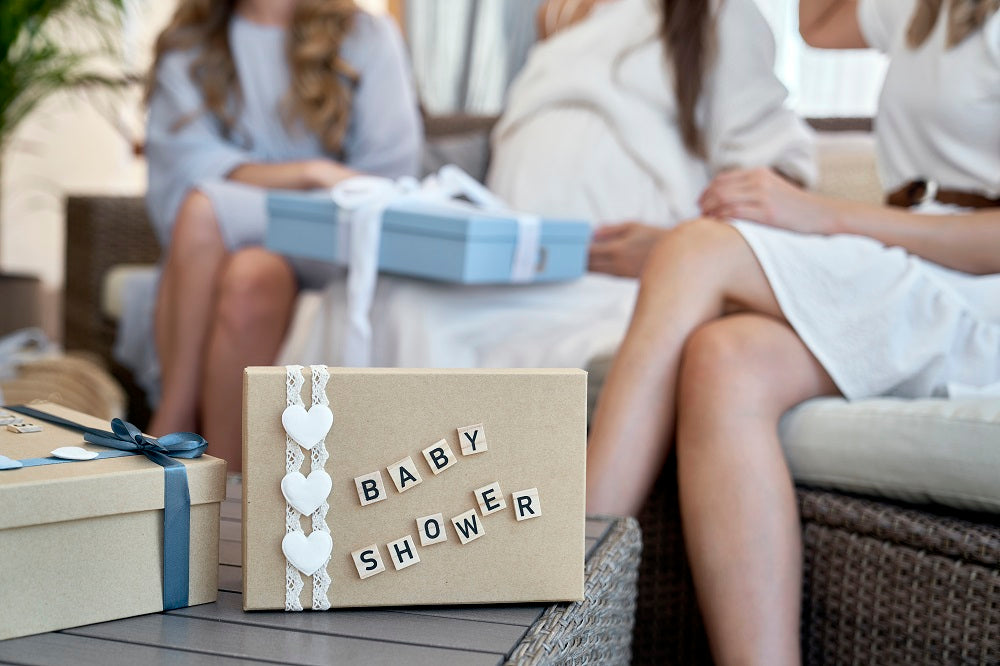
Do you know what a baby shower is? It's a party filled with laughter, gifts, and excitement, usually celebrated during the last trimester of pregnancy, to celebrate the arrival of a new life! On this day, you can invite your closest family and friends to share this happiness and excitement together.

Imagine: balloons everywhere, fun games, a delicious cake, and adorable gifts. Doesn't it make you want to organise one right now? Let's discover how to do it!

Girl Baby Shower vs. Boy Baby Shower

Do you already know if it's a girl or a boy? Great! Because that adds a special touch to the party.

Girl Baby Shower

Think pink, lilac, and glitter. Giant bows, flower crowns, and even butterflies flying (well, almost). A world of princesses and fantasy!

Boy Baby Shower

Here come the blues, greens, and greys. How about a superhero theme? Or even better, elephants! These little animals are a classic because they symbolise strength and good luck. Perfect for the new champion of the house!

And if you don't know the baby's gender, no problem. Pastel colors and neutral themes, like clouds or stars, are always a hit.

Girl Baby Shower vs. Boy Baby Shower

Best Baby Shower Games

What would a baby shower be without games? Here are some ideas to make the party a success!

  • Signatures on Baby Clothes or Nappies: The mum-to-be can prepare a piece of baby clothing or a nappy, along with colored markers, for guests to sign or draw freely.
  • Mummy Tales: This game is similar to gender guessing games. A game board is prepared with the mum-to-be's symptoms, and guests vote to guess the baby's gender.
  • Baby Bottoms or Boobs: This game is very fun and surprising! Game accessories with photos of baby bottoms and boobs are purchased, and guests guess which is which.
  • Baby Shower Word Search: With words like "nappy," "bottle," and "cot." See who finds them first!
  • How Much Do You Know About Babies?: Guess the gestation period of different animals. You'll be surprised what you discover!
  • Blindfolded Nappy Change: Laughs guaranteed! Try changing a nappy on a doll without seeing. Not as easy as it sounds!
  • Guess the Belly Size: Balloons, laughter, and lots of tenderness. Who will get closest to reality?
  • The Lightning Bottle Challenge: Drink up! The fastest one is the milk champion. Fun guaranteed!
Best Baby Shower Games

These games not only entertain but also create an atmosphere of complicity and joy. Everyone will want to participate!

Baby Shower Game Prizes

Make your baby shower games extra exciting with these charming and useful prizes that celebrate Aussie flair while pampering your guests. Here's a fun and lively selection to delight the winners:

Baby Shower Game Prize Ideas:

  • Koala or Kangaroo Baby Socks/Washcloths – Irresistibly cute!
  • Small snacks – Bake and individually wrap fudge, cookies, slices, or cake for the baby shower. Add a small thank you tag for guests.
  • "Parent Survival Kit" Socks – Funny prints like "Coffee First" or "Baby's Alarm Clock."
  • Scratchie Tickets – A cheeky chance to win big! (Play responsibly!)
  • Personalised Keyring – With baby's initial or a cute Aussie animal.
  • Silk Eye Mask or Sleep Balm – Help them sneak in some precious shut-eye.
  • Aiwibi Baby Wipes – Don't forget our Aiwibi wipes, they're so practical!🎉

Baby Shower Game Prizes

Pro Tips for Baby Shower Game Prize Perfection

Mix & Match – Offer a mix of practical, pampering, and fun prizes.

Budget-Friendly – From $5 to $20, there's something for every price range.

Presentation is Key – Wrap them in cute baby-themed gift bags or boxes for extra charm!

Your guests will love competing for these prizes—making your baby shower games even more memorable! 🎁

(Inspired by Aussie favourites, but perfect for any baby shower!)

Celebrate with Cake and a Feast of Food at the Baby Shower

Girl Baby Shower Cake

Imagine a cake that looks like it came out of a fairy tale. Three tiers of soft vanilla sponge cake, filled with red berry cream and covered with delicate pastel-toned buttercream. The decoration is an enchanted garden: sugar flowers in pink and mauve tones, edible butterflies that seem to fly, and a touch of glitter that shines like morning dew. On top, a small silver crown, because every princess deserves to be crowned.

Boy Baby Shower Cake

An adventure in every bite. A cake shaped like a space rocket, with dark chocolate sponge cake and coffee ganache filling. The exterior is a starry sky, with dark blue buttercream and silver sparkles. The details are what make it unique: fondant planets, a crescent moon made of meringue, and a shower of shooting stars made of caramel. On the tip of the rocket, a small flag that says: "The future awaits you, little explorer!"

You can also surprise with other cute cakes, and decorated cupcakes are even more original, practical, and delicious!

Baby Shower Food

A Feast for Everyone:

Think about the variety of your guests. Everyone likes to feel included! Offer options for vegetarians, vegans, and people with allergies. That way, everyone enjoys the party!

Flavors That Embrace:

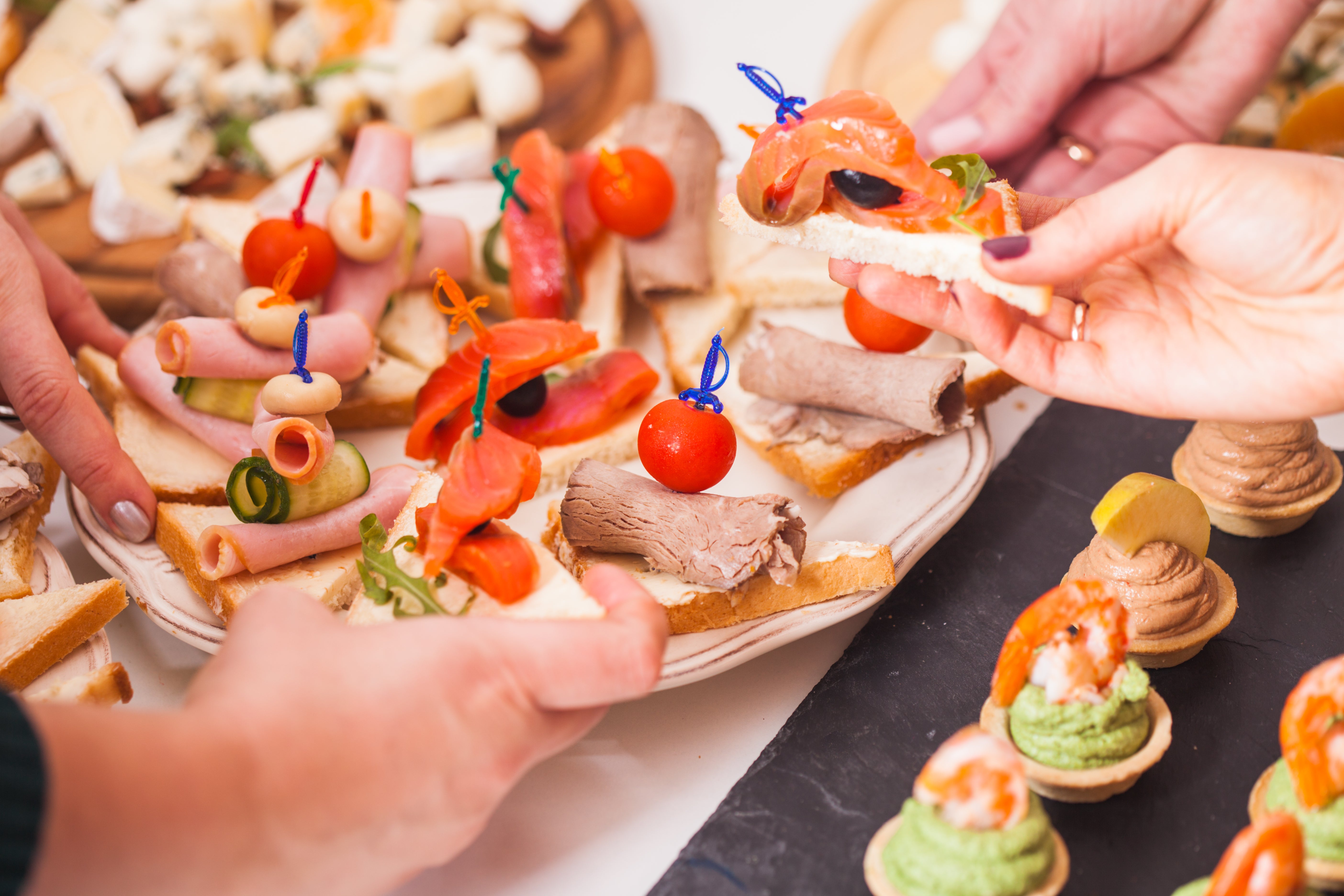
Prepare mini sandwiches with different fillings. Offer fresh and colorful fruits, they're delicious and healthy! Some cupcakes decorated with baby motifs are a sweet and special touch!

Food for a Baby Shower

Refreshing Drinks:

Prepare fresh natural fruit waters, they're perfect for the occasion! Offer iced tea or lemonade, they're classic drinks that everyone likes! Offer sugar-free drink options.

Simple and Delicious Recipes:

Prepare some fruit skewers, it's something very simple and very eye-catching. You can also make mini quiches, they're very good for snacking.

Baby Shower Decorations

The baby shower decoration is like the dress of the party: it has to be spectacular! Here are some ideas to make everything look incredible:

  • Simple and Economical: You don't need to spend a fortune. Balloons, paper garlands, and some DIY centerpieces can be enough. A baby shower at home can be just as magical!
  • Themes That Enchant: Elephants, clouds, rainbows… anything goes! The important thing is that it's fun and cheerful.
  • Details That Surprise: Giant letters with the baby's name, a selfie frame for fun photos, and a candy bar that makes everyone happy. Guests won't stop taking photos!

Prepare Baby Shower Favors

Favors are like the finishing touch of the party. Here are some ideas for guests to take a little piece of the celebration(Maybe also see the baby game Prizes above!):

  • Practical Favors: Scented candles, handmade soaps, or mini plants. Useful and pretty!
  • Personalized Details: Small cards with the baby's name or the baby shower date. A special touch!
  • Crafts: If you like handmade things, you can create unique decorations or cards. The effort always shows!

Start Preparing Your Baby Shower Invitations

Do you have everything ready for the baby shower? It's time to send the invitations! Cards are the first impression your guests will have of the party, so they have to be special!

How to Design Baby Shower Invitations That Enchant

  • Choose a Coherent Theme:
    • If it's a girl baby shower, use colors like pastel pink, lilac, or gold. Motifs like flowers, butterflies, or princess crowns are ideal.
    • If it's a boy baby shower, opt for blues, greens, or greys. Elephants, stars, clouds, or superheroes are fun options.
    • If you don't know the baby's gender, neutral themes like rainbows, animals, or mixed pastel colors (yellow, mint green, beige) are perfect.
  • Include Essential Information:
    • Date and time: Don't let anyone miss the party!
    • Location: Whether it's at home, an event room, or even virtual, make sure it's clear.
    • RSVP: Ask guests to confirm their attendance. You can include a phone number or email.
    • Theme or dress code: If there's a dress code (for example, everyone in pink or blue), don't forget to mention it!
  • Add a Personalized Touch:
    • Baby's name: If you already know it, include it in the invitation. It's a detail that excites everyone!
    • Creative phrase: Something like "A new dream is about to arrive!" or "Join our welcome party for [name]."
    • Photos: If you want, you can add a photo of the ultrasound or the parents. It's a very emotional detail!
  • Choose the Format:
    • Digital: Perfect for saving time and money. You can use tools like Canva, Adobe Spark, or even WhatsApp to send them.
    • Printed: Ideal for a more traditional touch. You can deliver them in person or send them by mail.
  • Creative Ideas for Delivering Invitations:
    • In a Decorated Envelope: Use colored envelopes and add details like stickers, wax seals, or a ribbon. It will look beautiful!
    • With an Extra Detail.

How to Design Baby Shower Invitations That Enchant

Tips for a Baby Shower That Will Leave a Mark:

The Magic of Early Planning: Don't leave anything to chance. Carefully choose the date (ideally between weeks 34-36, or from week 20 if you prefer), the perfect place (home, room, garden…) and a guest list that radiates joy. Organisation is the first gift!

The Perfect Setting: Transform the place into a nest of love. Decorate it with details that speak of the baby and the parents. Create a magical atmosphere!

Gifts That Speak to the Heart: Invite your guests to choose gifts that celebrate the sweet wait and the new life that arrives. Each gift, an anticipated hug!

Capturing Moments of Happiness: Camera in hand, immortalise every smile! Create a memory album that they will treasure forever.

The Personal Touch: The Key to Originality: Print the future parents' stamp on every detail. From decoration to music, make it unique and special!

Let the Enjoyment Begin!: Relax, smile, share. This is a day to celebrate the love and joy that the baby brings. Live every second!

A Baby Shower to Remember: Whether it's for a prince, a princess, or a sweet surprise, the essential thing is to celebrate with the heart. Get to work and create a Baby Shower that will remain engraved in the memory!

You may also like:Newborn Essentials List: An Australian Guide>>>

And there you have it! With these ideas, your baby shower will be a party full of joy, laughter, and unforgettable moments. It's time to get to work and create a celebration that everyone will remember fondly! It doesn't matter if it's for a little princess, a little superhero, or a surprise, the important thing is that it's unique and special.

So, prepare the balloons, turn on the music, and let the magic begin! Remember, the most valuable thing is the love and excitement that you will share with your loved ones. The baby is about to arrive, and the world is ready to welcome them with open arms!

Happy baby shower!

Previous Post Next Post
Couvade Syndrome: When Fathers Experience Pregnancy Symptoms

Couvade Syndrome: When Fathers Experience Pregnancy Symptoms

Pregnancy is often seen as a journey that a mother endures alone, but what if fathers could feel some of the physical and emotional effects too? When the mother is pregnant, the expectant father has a series of pregnancy symptoms such as nausea and vomiting, and emotional instability, and is accompanied by the reduction of early pregnancy symptoms and slowly disappears. Couvade Syndrome, a curious condition that causes expectant fathers to experience symptoms similar to those of their pregnant partners.

What is Couvade Syndrome?

Couvade Syndrome, also known as "sympathetic pregnancy," refers to the phenomenon where a man, typically the partner of a pregnant woman, exhibits symptoms like nausea, weight gain, back pain, mood swings, or even labor pains. The term "couvade" comes from the French word couver, meaning "to incubate" or "to hatch," reflecting the idea that the father is, in some way, sharing the pregnancy experience.

Meaning of Couvade Syndrome

Is Couvade Syndrome Real or Fake?

While it may sound unbelievable, Couvade Syndrome is indeed real, although it's not fully understood. It's not a medical condition that can be diagnosed like a disease, but a set of symptoms that many men report during their partner’s pregnancy. Researchers believe it could be a psychosomatic response to the emotional and psychological stresses of impending fatherhood.

What Causes Couvade Syndrome?

The exact cause of Couvade Syndrome is still debated. Some experts believe it's tied to empathy. The expecting father may become so emotionally connected to the pregnancy experience that his body mimics the symptoms. Another theory is that hormonal changes in men—such as an increase in prolactin (the hormone associated with lactation) or a decrease in testosterone—could play a role. Stress and anxiety surrounding the upcoming life change may also contribute.

Couvade Syndrome Symptoms

  • Common symptoms reported by men experiencing Couvade Syndrome include:
  • Nausea or vomiting (morning sickness-like symptoms)
  • Weight gain (sometimes referred to as "sympathy weight")
  • Back and abdominal pain
  • Food cravings or aversions
  • Mood swings and irritability
  • Insomnia and fatigue
  • Increased appetite

Though these symptoms might seem trivial compared to what the pregnant partner is going through, they can be disruptive for the expectant father.

Couvade Syndrome Symptoms

Couvade Syndrome Treatment

There is no official "treatment" for Couvade Syndrome, as it is not a medical condition in itself. There are ways to alleviate the symptoms.

1.Psychological conditioning:

Recognize that the syndrome is a normal physiological phenomenon that usually goes away on its own after your partner goes into labor.

Talk to your partner, family or friends about your concerns and stress.

Seek help from a counselor to learn ways to cope with stress and mood swings.

2.Lifestyle adjustments:

Maintain a healthy diet, avoid overeating and control your weight.

Engage in moderate exercise, such as walking and yoga, to help relieve stress and improve mood.

Ensure adequate sleep and avoid staying up late.

Avoid drinking alcohol and smoking.

When Does Couvade Syndrome Start?

Couvade Syndrome can start at any time during the pregnancy, but it is most commonly reported during the second or third trimesters. It often begins around the same time that the partner’s physical changes become more noticeable, or as the father-to-be begins to anticipate the challenges and joys of becoming a parent.

Is Couvade Syndrome Bad?

While it can be uncomfortable, Couvade Syndrome is generally not harmful. It’s a phenomenon that mostly affects the emotional and physical wellbeing of the expectant father but poses no long-term health risks. It’s an indication of how deeply connected the father can feel during this period.

Couvade Syndrome Stories

Many fathers have shared their experiences with Couvade Syndrome.

A man from Manchester, England, named Doddle, has been diagnosed with a rare condition called "Couvade syndrome." While his girlfriend was pregnant, he experienced phantom pregnancy symptoms himself, including morning sickness, hot flashes, and abdominal bloating. This condition allowed Doddle to truly experience the hardships of his girlfriend Bennett's 10-month pregnancy.

Couvade Syndrome Story Photo

It is reported that when his girlfriend was 3 months pregnant, Doddle suddenly found that his body shape became similar to his girlfriend's, and he also began to experience morning sickness. Bennett initially thought her boyfriend was teasing her, but later realized there was a problem when she saw him feeling unwell every day. Doddle said that among the various pregnancy reactions, fatigue was the most uncomfortable. He had to take short breaks at work and was very sleepy at night. When his girlfriend was 33 weeks pregnant, he also gained 28 pounds and had to wear larger-sized clothes.

Do All Men Experience Couvade Syndrome?

Not all men experience Couvade Syndrome. While some fathers may feel a deep connection and empathy, others may not exhibit any physical symptoms. The condition varies widely from one individual to another, and many men may not experience anything at all.

In conclusion, Couvade Syndrome is a fascinating, if somewhat perplexing, phenomenon that shows how emotionally involved fathers can be in the pregnancy process. Whether it’s a psychological response, hormonal shifts, or just a reflection of a father’s support for his partner, Couvade Syndrome is real—and a reminder of the shared journey of parenthood.

Previous Post Next Post
How to Stand Correctly During Pregnancy to Reduce Backache

How to Stand Correctly During Pregnancy to Reduce Backache

Back pain is a common complaint during pregnancy, often caused by the growing baby putting extra strain on the spine and pelvic joints. While it might seem like an inevitable part of pregnancy, there are many things you can do to manage and alleviate this discomfort. One simple yet effective method is to focus on maintaining proper standing posture.  

As your baby grows, your center of gravity shifts forward, which can lead to an exaggerated curve in your lower back. To counteract this, try to stand with your feet shoulder-width apart, knees slightly bent. Engage your core muscles, as if you're trying to draw your belly button towards your spine. Keep your shoulders relaxed and down, and avoid locking your knees. This posture helps to distribute your weight more evenly and can significantly reduce strain on your back.  

When standing for extended periods, it can be helpful to shift your weight from one foot to the other periodically. You can also try placing one foot on a small stool to relieve pressure on your lower back. Additionally, using a pregnancy support belt can provide extra support and stability.  

Remember, it's important to listen to your body and take breaks when needed. If you experience severe or persistent back pain, consult with your healthcare provider. By incorporating proper standing posture into your daily routine, you can help alleviate back pain and enjoy a more comfortable pregnancy.

Previous Post Next Post