
Noticed Your Baby's Teeth Are Crooked

Noticed Your Baby’s Teeth Are Crooked? Your Next Steps

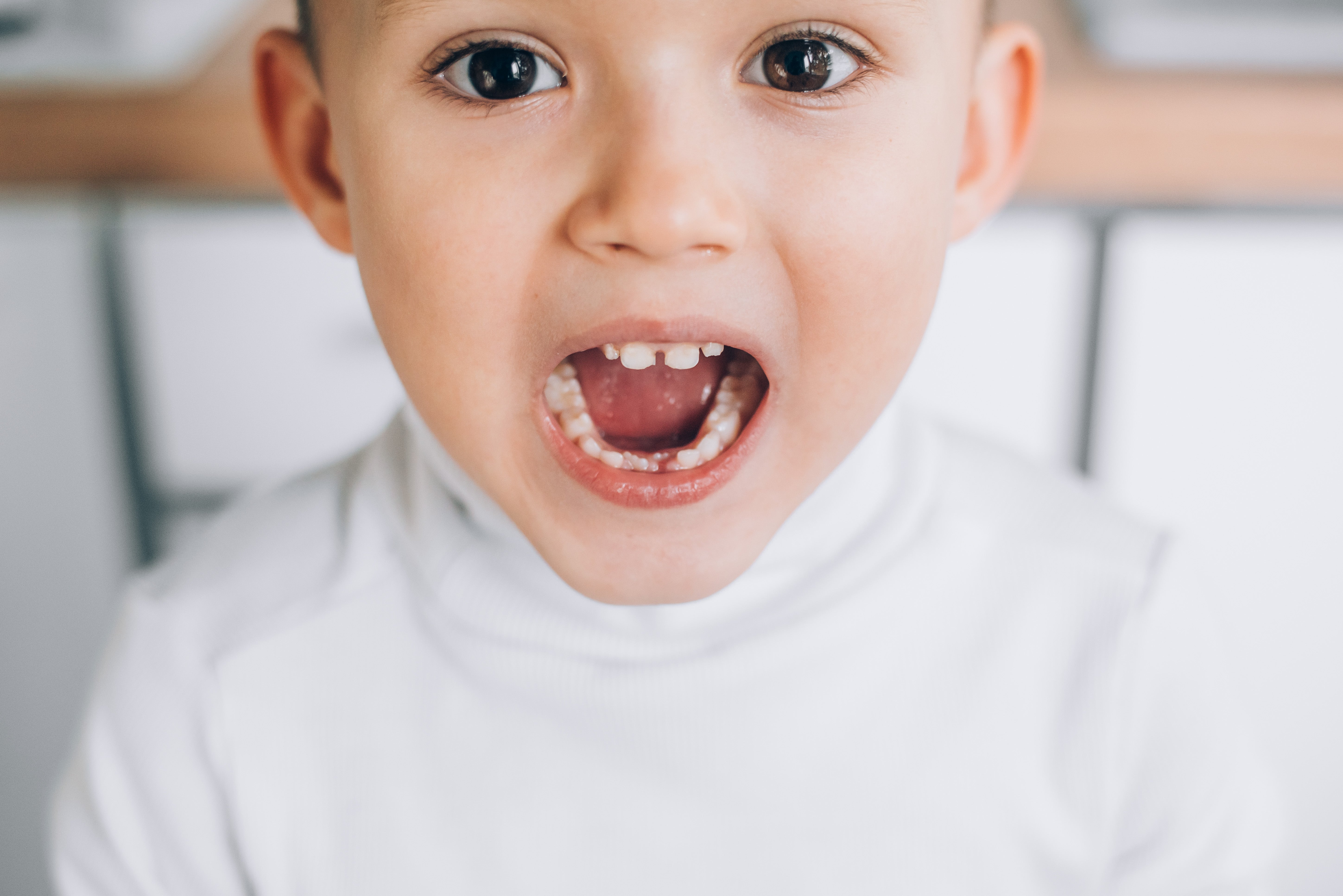
Noticing your baby's teeth coming in crooked can give any Aussie parent a proper worry. You might wonder: "Are crooked baby teeth normal? Will this affect their permanent teeth? Should we see a children's dentist?" Rest easy – misaligned baby teeth are common, but understanding why it happens helps you care for your toddler's dental development.

When a Bit of Wonkiness in Baby's Teeth is Fairly Normal

Remember, these baby's teeth are just temporary, and a little bit of crookedness often sorts itself out as their jaw grows. Having a bit of space between baby's teeth is actually a good sign – it means there's room for those bigger permanent teeth to come in later. So, if your baby's teeth are crooked but have little gaps, that's often okay. A slight "V-shape" in those bottom front baby teeth is pretty common and usually doesn't mean trouble down the line, even though they might look a little crooked.
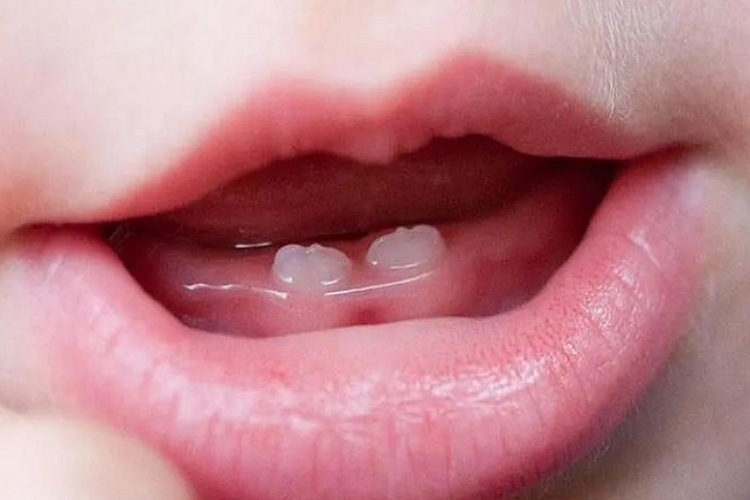
V-shape teeth

When Should You Worry About Crooked Baby Teeth?

Most cases of slightly crooked primary teeth resolve naturally, but consult your pediatric dentist if you notice:

  • ⚠️ Severe overcrowding where teeth significantly overlap
  • ⚠️ Functional issues with chewing or clear speech
  • ⚠️ Early tooth loss creating space problems
  • ⚠️ Visible jaw misalignment or unusual bite patterns

Proactive Steps for Healthy Tooth Alignment

  • Break sucking habits gently by preschool years
  • Encourage nasal breathing to support proper jaw growth
  • Maintain excellent oral hygiene – decay-free teeth stay in place longer
  • Schedule regular dental visits starting by first birthday

Remember: Baby teeth spacing often looks worse than it is! Many "problems" self-correct as more teeth erupt and jaws grow.

As Brisbane pediatric dentist Dr. Emma Waters notes: "We rarely treat crooked baby teeth unless they're causing functional issues. The real focus is preserving them until they're ready to fall out naturally.”

When Should You See the Dentist About Your Baby's Crooked Teeth?

It's best to get some professional advice if you notice your baby's teeth are crooked and:

  • ✅ They are really crowded or overlapping.
  • ✅ Your little one is having trouble biting, chewing, or talking.
  • ✅ They seem to be in pain or discomfort because of how their baby's teeth are positioned.
  • ✅ You notice any abnormal baby teeth shape that concerns you, as this might be contributing to why your baby's teeth are crooked.

Why Are Me Bub's Teeth Growing in Crooked?

Several factors can cause baby teeth to grow crooked:

  • Family Traits Play a Big Role
    • If you or your partner had crowded baby teeth as kids, your little one might inherit similar dental patterns
    • Jaw size affects tooth alignment – petite jaws often lead to overlapping baby teeth
  • Sucking Habits Affect Tooth Position
    • Extended dummy use or thumb-sucking beyond age 2 can push front baby teeth outward, creating gaps or buck teeth
    • These habits may alter the palate shape, contributing to malocclusion in primary teeth
  • Tongue and Breathing Patterns Matter
    • Tongue thrusting (pushing against teeth when swallowing) may gradually cause misaligned milk teeth
    • Chronic mouth breathing can impact jaw growth and lead to crooked deciduous teeth
  • Timing of Tooth Eruption Influences Alignment
    • Early erupting teeth might emerge at odd angles if neighbors haven't made space
    • Late bloomers may find their spots taken, resulting in crowded primary dentition
  • Injuries or Developmental Quirks
    • A knock to the mouth might displace developing teeth
    • Unusual tooth shapes (like fused teeth) can disrupt the dental arch in toddlers
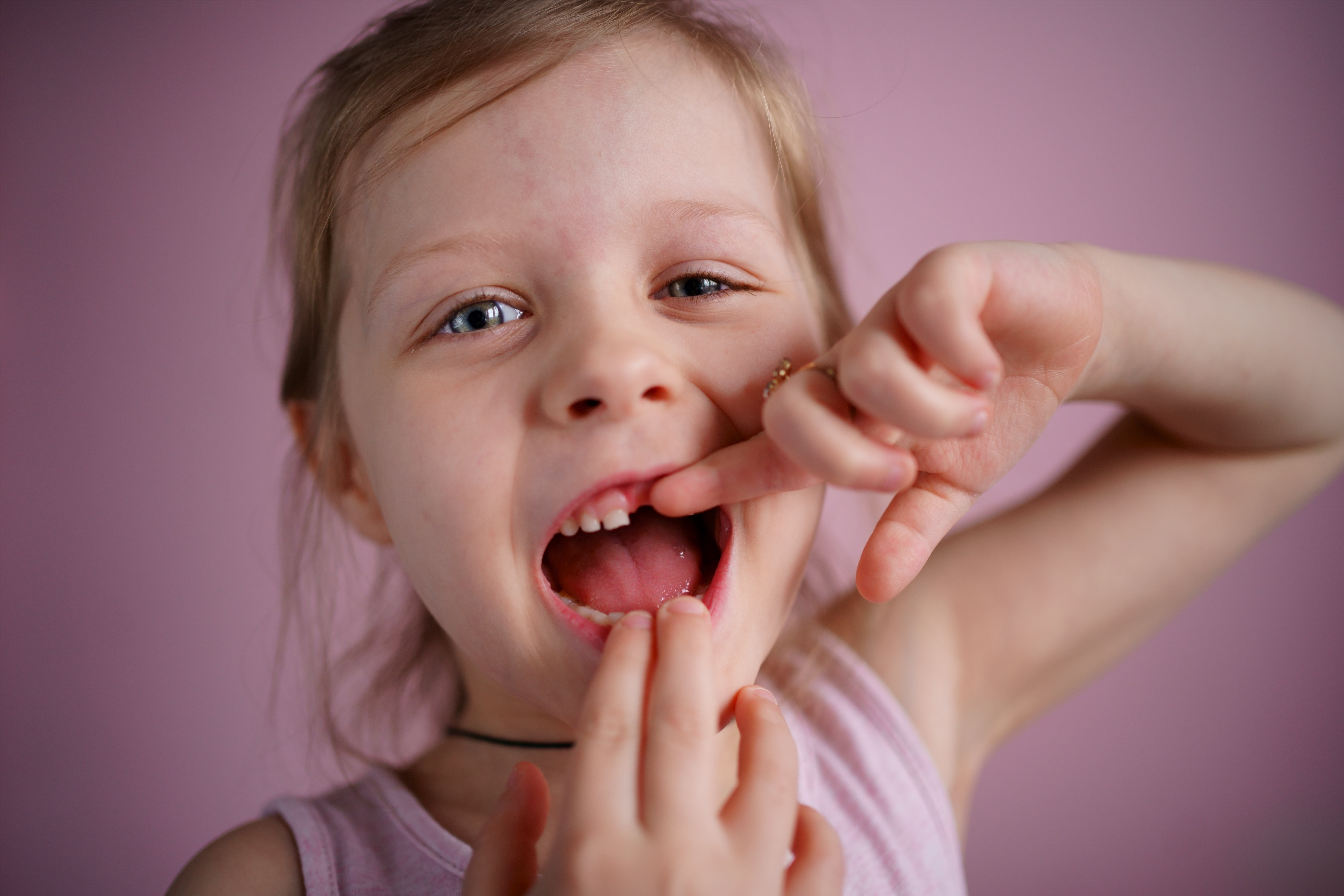
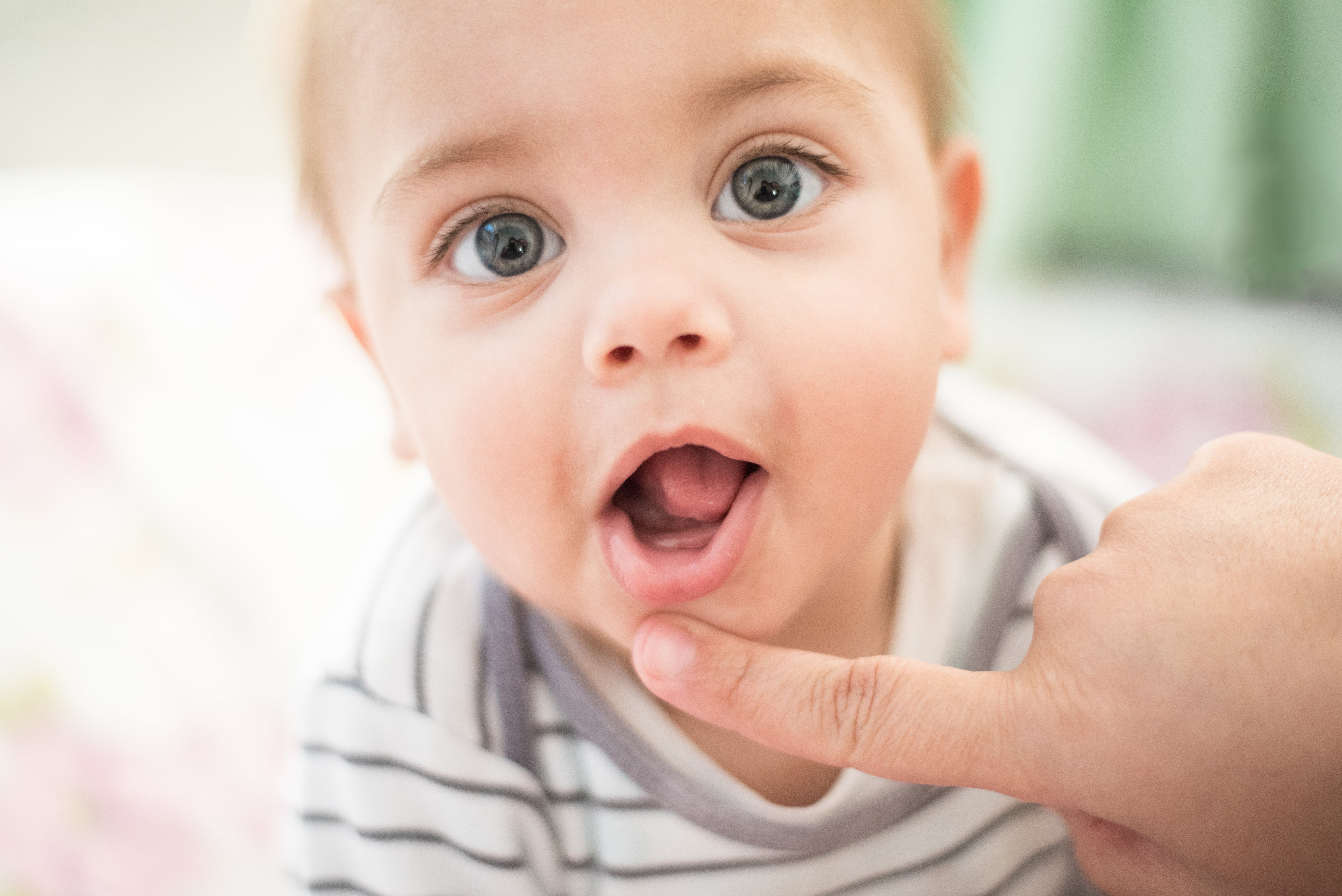
the image shows a baby's teeth are crooked

Will Adult Teeth Follow Suit If Baby Teeth Are Crooked?

Here's what dental professionals want you to know about primary vs permanent tooth alignment:

  • Baby Teeth Serve as Placeholders
    • Those first teeth maintain space for their permanent replacements. Early loss from decay or trauma might cause shifting baby teeth that crowd incoming adult teeth
  • Crooked Milk Teeth Don't Always Spell Trouble
    • Many kids with slightly misaligned baby teeth develop perfectly straight permanent teeth naturally as their jaw expands
  • Watch for These Red Flags
    • Severe crowding, crossbites, or protruding teeth in your child's primary dentition may indicate future orthodontic needs
  • The Magic Age for Early Intervention
    • Most dentists recommend an orthodontic evaluation by age 7 to assess jaw growth and emerging tooth positioning

Do Dummies and Bottles Really Cause Crooked Teeth?

Let's separate fact from fiction about pacifiers and dental development:

  • The Dummy Dilemma

    Prolonged use (beyond 2-3 years) can lead to:

    • Anterior open bite (front teeth don't meet)
    • Narrow upper arch requiring later palatal expansion

    Smart solutions:

    • Switch to orthodontic pacifiers by 6 months
    • Limit to sleep times after age 1
    • Aim to wean completely by 24 months
  • Bottle Feeding Realities

    Less likely to directly cause tooth misalignment than dummies But watch for:

    • "Bottle mouth" decay from prolonged use
    • Speech development issues from improper tongue posture

    Pro tip: Transition to sippy cups by 12-15 months to support proper oral motor development
Do Dummies and Bottles Really Cause Crooked Teeth

What Can Be Done Early On for Baby's Crooked Teeth?

If you're concerned about your baby's teeth being crooked, there are a few things dentists might suggest:

  • Space Maintainers: If a baby tooth is lost too early and the other baby's teeth start to shift, these little gadgets can hold the space for the permanent tooth to come in straight.
  • Habit-Breaking Appliances: These can help if thumb-sucking or tongue thrusting is contributing to your baby's teeth being crooked.
  • Orthodontic Check-up Around Age 7: This can help spot any potential alignment issues early on, even if your baby's teeth weren't particularly crooked.

How to Help Prevent or Manage Baby's Crooked Teeth

There are a few things you can do at home to help manage or potentially prevent your baby's teeth from being crooked:

  • Ease Off the Dummies and Thumbs to Help Prevent Baby's Teeth Being Crooked
    • Try to wean them off the dummy by around 18 to 24 months.
    • Encourage them to stop thumb-sucking by the time they're 3 or 4 to avoid any dental changes that can lead to baby's teeth being crooked.
  • Encourage Good Mouth Posture to Help with Baby's Teeth Alignment
    • Teach them to breathe through their nose with their lips together, not through their mouth, as mouth breathing can sometimes contribute to baby's teeth being crooked.
    • Make sure their tongue rests on the roof of their mouth, not pushing against their baby's teeth.
  • Keep Those Pearly Whites Clean to Promote Healthy Baby Teeth
    • Brush their teeth twice a day to stop decay, which can lead to early baby tooth loss and potentially cause other babies' teeth to become crooked as they shift.
    • Get them in for their first dental check-up by the time they're one for some early advice on looking after their baby teeth.
  • Keep an Eye on How Your Baby's Teeth Are Developing
    • If your 8-month-old's teeth are crooked, just keep track of how things are looking as more baby teeth come in. Sometimes, things can even out a bit.
    • If you notice your 6-year-old's bottom teeth are coming in crooked, it might be worth a chat with an orthodontist, even if their baby teeth weren't overly crooked.
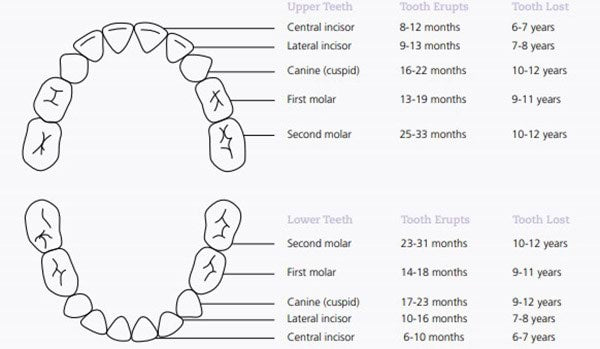
The picture shows a diagram of the baby's tooth development

Final Thoughts

Don't Panic Too Much About Baby's Crooked Teeth, But Stay Observant.

While seeing that your baby's teeth are crooked can be a little concerning, it's often nothing to worry about. Just keeping an eye on things helps make sure their permanent teeth have a healthy start. Most of the time, it sorts itself out, but if you're worried about your baby's crooked teeth, a paediatric dentist can give you the best advice.


Previous Post Next Post
Responsible vs. Irresponsible Parenting (+ Free Test)

Responsible vs. Irresponsible Parenting (+ Free Test)

Being a parent, mate, it's like tending a garden—takes a bit of patience, heaps of love, and a good dose of fun! While responsible parenting might sound a bit serious, it's really about creating a home where both the kids and we parents can thrive. "The love of a family is life’s greatest blessing," —and that blessing just grows bigger when we balance those chores with some good ol' giggles and turn everyday stuff into adventures. Let's see how we do it!

What is Responsible Parenting? Spoiler: It’s Not About Being Perfect

Responsible parenting isn’t about being perfect—it's about being present. It's:

  • Keeping things safe (baby-proofing the house, you know the drill!).
  • Teaching them to be kind through what we do every day.
  • Knowing when to take a breather (parents need a cuppa and a bit of a kip too!).
Responsible Parenting

🐨 Quiz Time!

Which one of these fits with responsible parenting?

  1. Letting them have unlimited screen time.
  2. Saying "Sorry, my bad" when you lose your cool.
  3. Skipping the bedtime routine.

Answer: B! Imperfect progress is way better than chasing perfection.

The Heartwarming Duties of Responsible Parenting

a) Be Their Safe Harbour

Listen up: Put that phone down when they say, "Check out my drawing!"

Give heaps of hugs: Science says 8 hugs a day boosts their confidence.
Australian These duties of responsible parenting—from listening to teaching—build trust that'll last a lifetime.
b) Teach Life Skills… The Fun Way

Cooking together = messy memories + a bit of maths (measuring ingredients!).
Australian Family Life Hack: Label those piggy banks "Save/Spend/Share" to get them good with their money.

c) Nurture Their Passions & Values

Build a "bug hotel" if they're into creepy crawlies.

Australian Golden Rule: "Family life and responsible parenting really shine when kids feel seen, not moulded."
Responsible Parenting

Why Responsible Parenting Matters: 5 Happy Reasons

  • Confident Kids: Consistent love = they believe in themselves.
  • Stronger Bonds: Game nights are way better than screens, right? 🎲
  • Future Legends: Empathy today = tomorrow's changemakers.
  • Less Stress: Routines keep things calm.
Australian "The Love of a Family" Bonus: Joy just multiplies when you grow together.

Balancing Family Life & Responsible Parenting: Keep It Simple!

Problem: "I'm flat out!"

Solution: Try the "3-Minute Connection Rule": A bit of focused time every day (a silly dance, a joke).

Australian Real-Life Hack: "We do 'gratitude circles' at dinner—even celebrating lost teeth!" – Jen, mum of twins.

Activities for Responsible (and Fun!) Parenting

  • 🐨 Nature Scavenger Hunt: Find a red leaf + something fluffy.
  • 🐨 Volunteer Together: Bake some biscuits for the neighbours.
  • 🐨️ Cook a Global Dish: Tacos = geography + teamwork.

🐨 Quiz Prep!

Test your family’s values:

"If your kid wants to donate their toys, you…

  1. Say ‘Nah, we paid for those!’
  2. Help them pick 3 to give away.
  3. Promise to do it ‘later.’”

Answer: B!

Responsible Parenting

Irresponsible Parenting: Well-Intentioned Mistakes

  • Ignore their mini-me's feelings – Top-notch mums and dads actually listen when little Timmy says broccoli is "too green" (shocking, we know). They're all about cuddles and "there-there"s!
  • Go all 'dragon trainer' with smacks or shouts – Civilised parenting means no medieval punishments. Time-outs? Cool. Turning into a fire-breathing parent? Not so much.
  • Bubble-wrap their kids – Helicopter parenting is so last season. Clever parents let kids faceplant sometimes (metaphorically… mostly). How else will they learn that slides are slippery?
  • Have full-on rows like EastEnders episodes – Responsible types save the dramatic "You ain't my mum!" moments for when the kids are definitely asleep. (Spoiler: They never are.)
  • Pinky-promise then ghost – If you swear you'll go to the zoo Saturday, you’d better show up – even if it’s raining and the meerkats look judgy.
  • Live vicariously through their offspring – Newsflash: Your toddler might not be the next Harry Kane/Banksy/Adele. And that’s brilliant – let them be their own adorable selves!
  • Demonstrate 'how to be a goblin' – Chain-drinking tea like the Queen? Classy. Scrolling TikTok 24/7 while moaning about veggies? Less inspiring. Monkey see, monkey do – literally!
Irresponsible Parenting

The Bottom Line

Really, it's presence, not perfection, that defines responsible parenting. It's patience, guidance, and love. Those hugs, those stories—they're the real wins. The greatest victory? Simply loving each other.

Previous Post Next Post
When to Start Potty Training: Tips & Strategies

When to Start Potty Training: Tips & Strategies

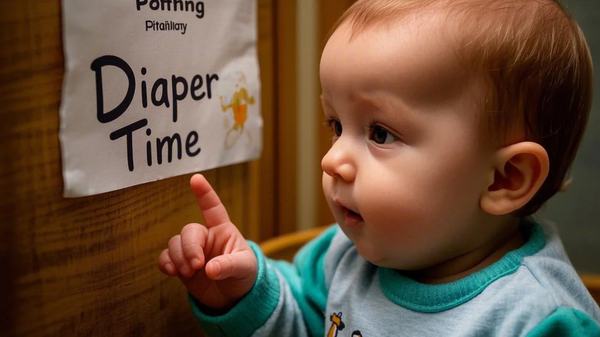
Many parents are concerned when babies take off their diapers. Each baby develops at a different pace, and the time when they are ready to be potty trained will vary. Generally, babies begin to show interest in toilet training between the ages of 18 months and 3 years.

In this article, we will give you clear information on how to potty train your baby. We will also share tips to help your baby transition smoothly to being diaper-free.

How to Potty Train Your Baby After Taking Away Diapers

  1. Learn to describe in words:
    Before toilet training, parents need to explain bowel movements and body parts to the baby one by one in the correct language. Avoid using words that may cause discomfort, embarrassment, or confusion.
  2. Preparation of supporting equipment:
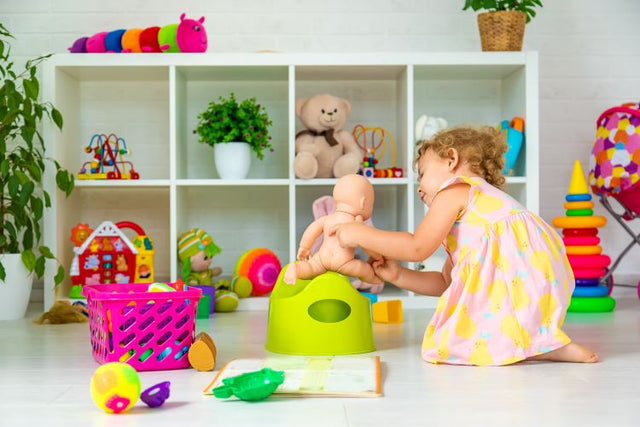
    Parents can prepare an infant potty chair for their baby in advance so that he can sit on it easily by himself. If you are putting a child seat on an adult toilet for your baby, add a step stool. This will help your baby climb up and down by himself when he needs to go to the bathroom.
  3. Help your baby understand the urge to poop:
    If the baby only tells the parents after a bowel movement, the parents should help the baby understand. The feeling of needing to go, which made the baby uncomfortable, is the urge to have a bowel movement. The next time he/she has this feeling, he/she should tell his/her mom or dad.
  4. Lead your baby to the potty:
    When you notice your baby needs to use the potty, guide them there. Show them where the potty is located and explain that they should use it when they need to poop and pee.
    In addition, parents can also demonstrate the correct toilet position. Female babies can watch their mothers to learn how to wipe properly. They should wipe from front to back. This helps prevent stool from contaminating the vagina. Baby boys should learn to pee sitting down, then standing up, and practice “aiming and shooting” with their dads.
    Finally, parents should guide the child to flush himself after convenience, and tell him to wash his hands after urination.
  5. Use baby training pants:
    In the early stages of training, babies must learn to wear and take off underwear. During this time, parents can use baby training pants, also known as toddler pants or pull-ups. These are the paper underpants that babies wear when moving from diapers to regular underpants. They are like briefs.
    When a baby accidentally urinates or defecates in training pants, parents should not scold the baby. Instead, they can say: it was an accident, it's okay, just be careful next time. If the baby learns to put on and take off clothes and use the toilet alone, parents should encourage him.
  6. Establish regular toilet habits:
    Guide your baby to use the toilet at regular times (e.g., after waking up in the morning, after meals, etc.). Through regular reminders and encouragement, help babies gradually build up the habit of toileting on their own.
  7. Positive motivation and encouragement:
    Whenever your baby succeeds in toileting on his/her own, praise and reward him/her promptly. Positive feedback will help your baby feel more confident. It will also motivate them to try using the toilet by themselves.
When to Start Potty Training

Signs that your baby is ready to take off his diaper

New parents can pay attention to some of the signs that your baby may be ready to take off the diaper:

1. Physical:

  • Diapers often stay dry for several hours or remain dry after naps.
  • Babies are able to control their bladder and bowels and can hold their urine or poop for a period.

2. Psychological aspects:

  • Babies will actively tell you they want to pee or poop.
  • Babies show interest in the potty or toilet and try to imitate adults going to the toilet.
  • Babies can understand simple instructions and can take off and put on pants by themselves.
  • Babies do not like dirty diapers and will try to take them off.

3. Cognitive:

  • Baby is able to understand the concept of toilet training and is willing to cooperate.
  • Baby is able to express his/her needs and communicate with parents.

Baby's willingness: The baby should want to take off the diaper. They should also be ready to follow the parent's instructions.

Things to do after removing diapers

Watch your baby's feelings: If your baby is very upset or scared about leaving diapers, parents should take it slow. Offer more support and encouragement.

Dealing with nighttime toileting: Nighttime toileting is a challenge in the process of saying goodbye to diapers. Parents can slowly increase the time their baby goes without urinating at night. They can also cut back on the amount of water the baby drinks before bed. At the same time, prepare a soft night light to facilitate the baby's nighttime toileting.

Coping with diaper regression: Sometimes babies experience a brief regression after saying goodbye to diapers. This is usually a normal physiological or psychological reaction and parents need not worry too much. By setting regular toilet times and providing support, your baby will soon learn to use the toilet alone.

Saying goodbye to diapers is a gradual process that may be frustrating and repetitive. Parents need to remain patient and understanding to avoid putting too much pressure and anxiety on their babies. It is normal for some children to pee on their own at the age of two, while some are still wearing baby diapers at the age of three. So, parents don't need to be anxious and be patient and more patient when dealing with their children.

Previous Post Next Post
WIWI & BIBI Learn to swim

WIWI & BIBI Learn to swim

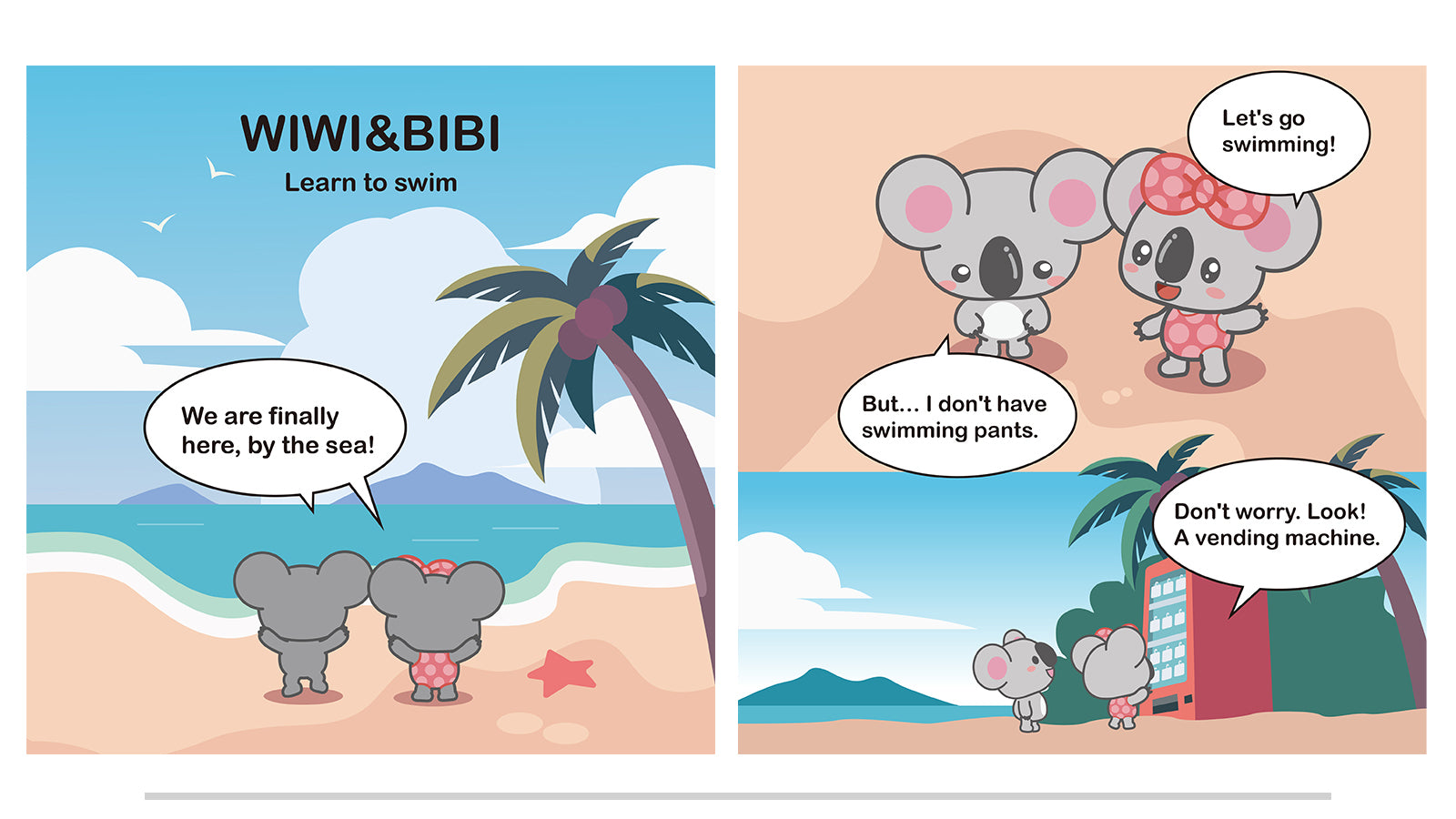
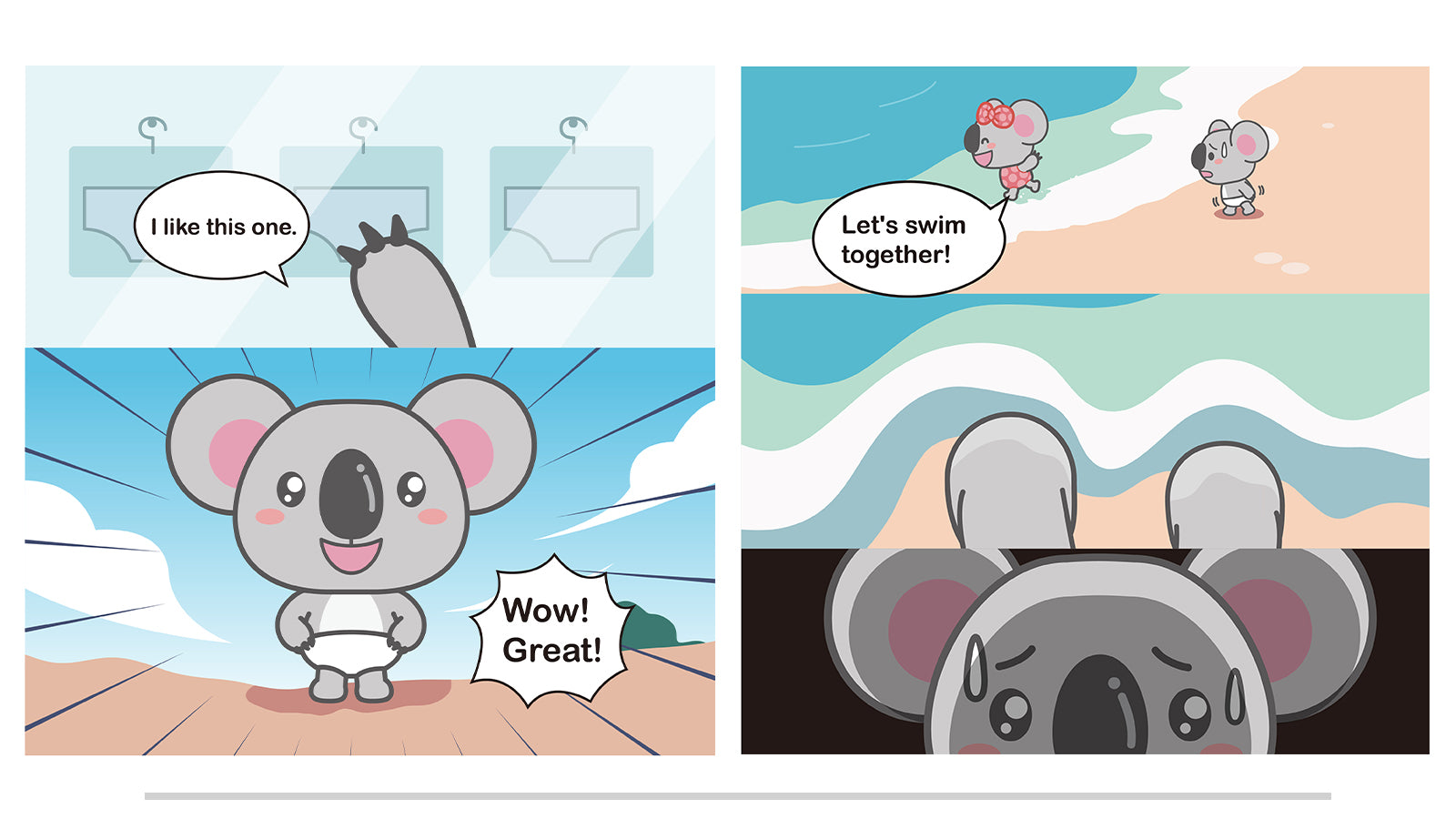
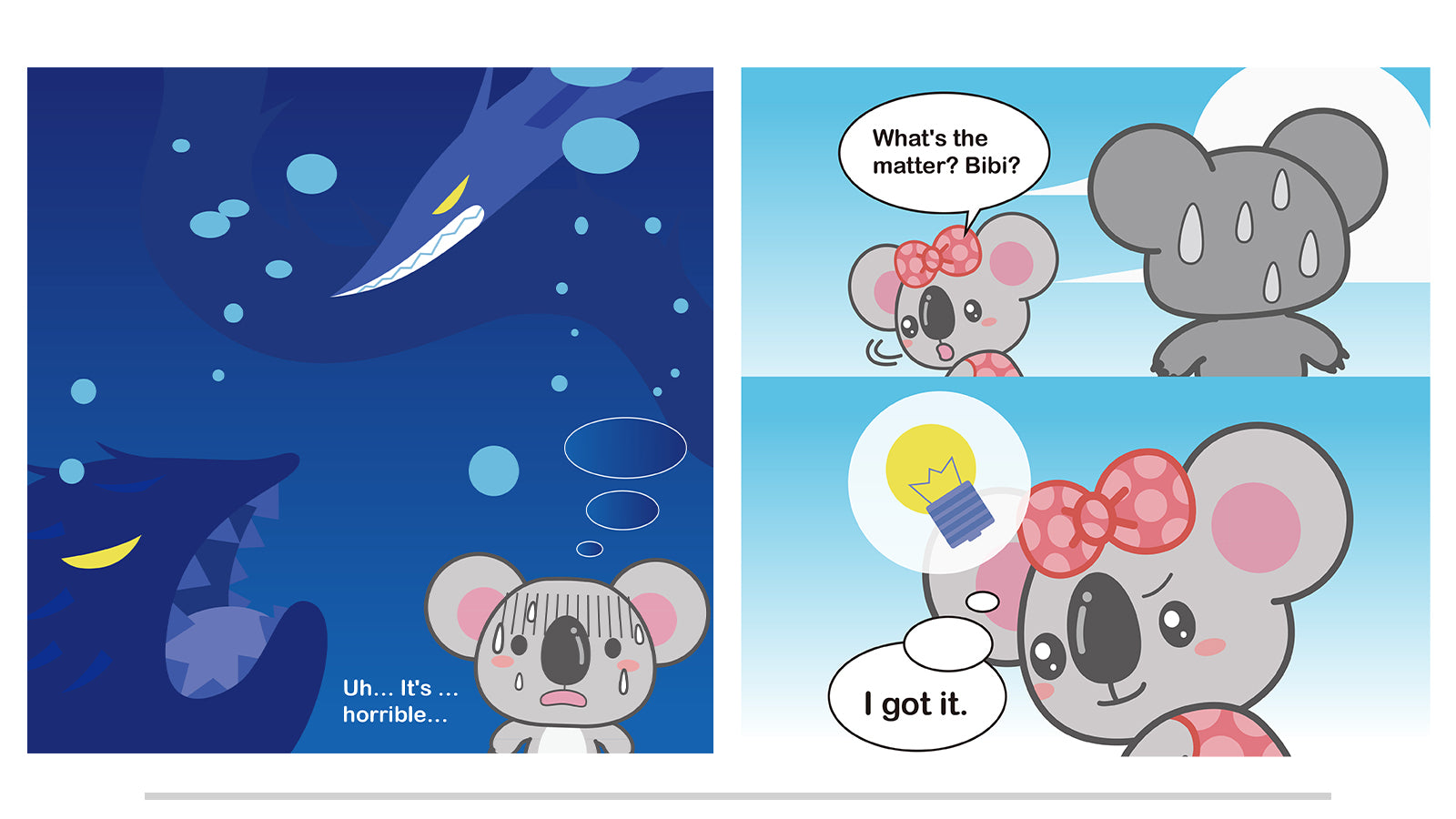
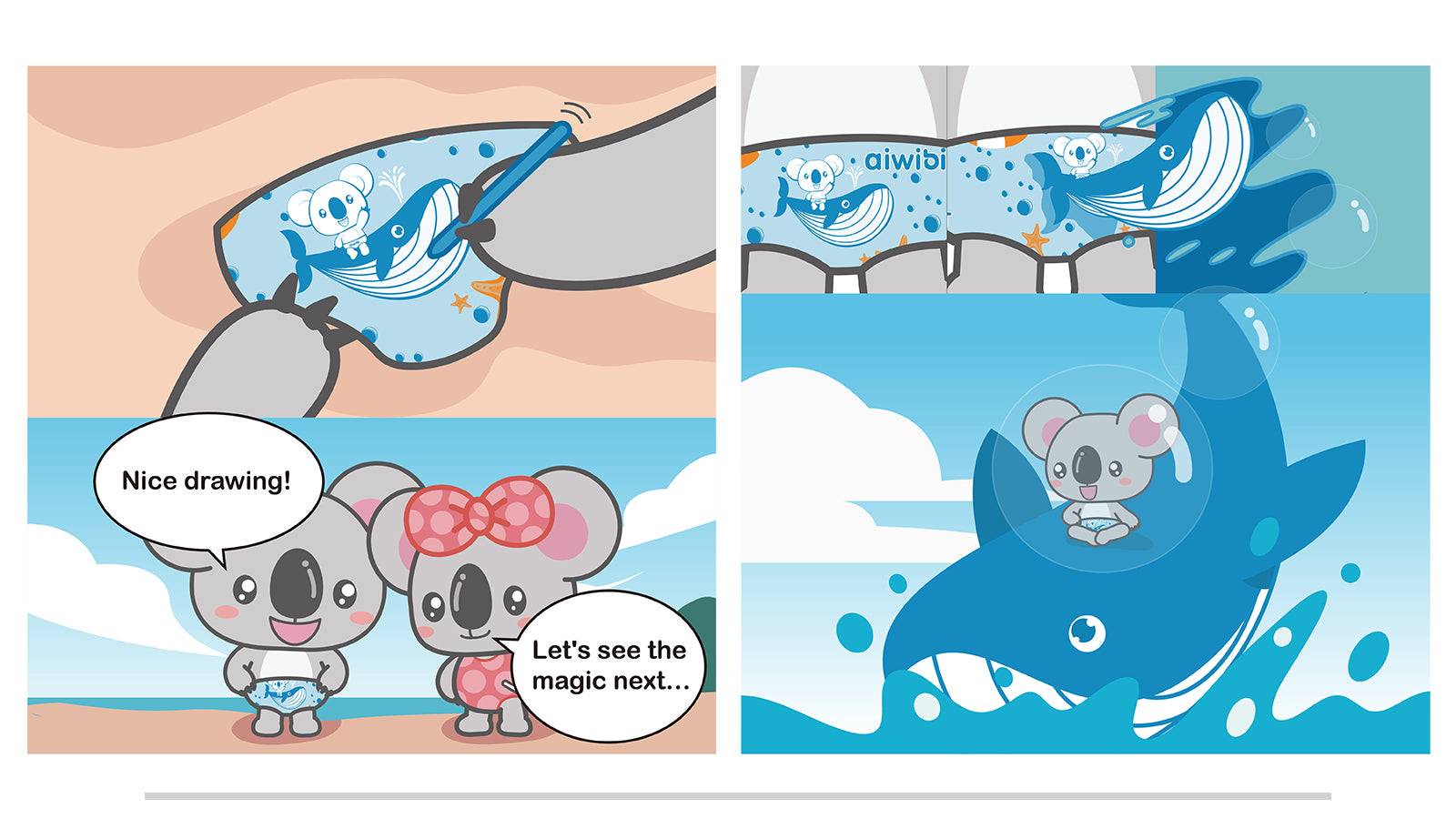
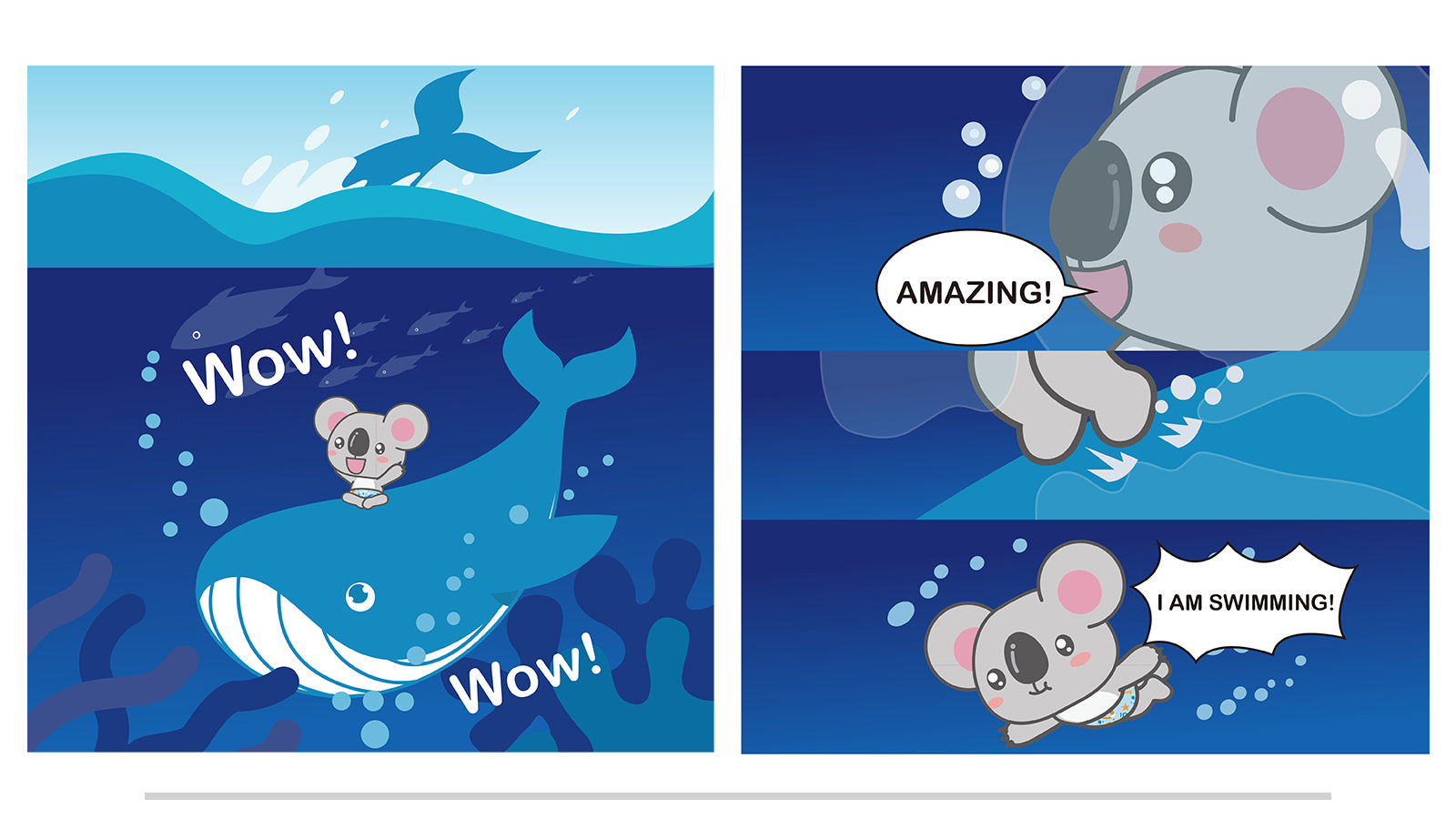
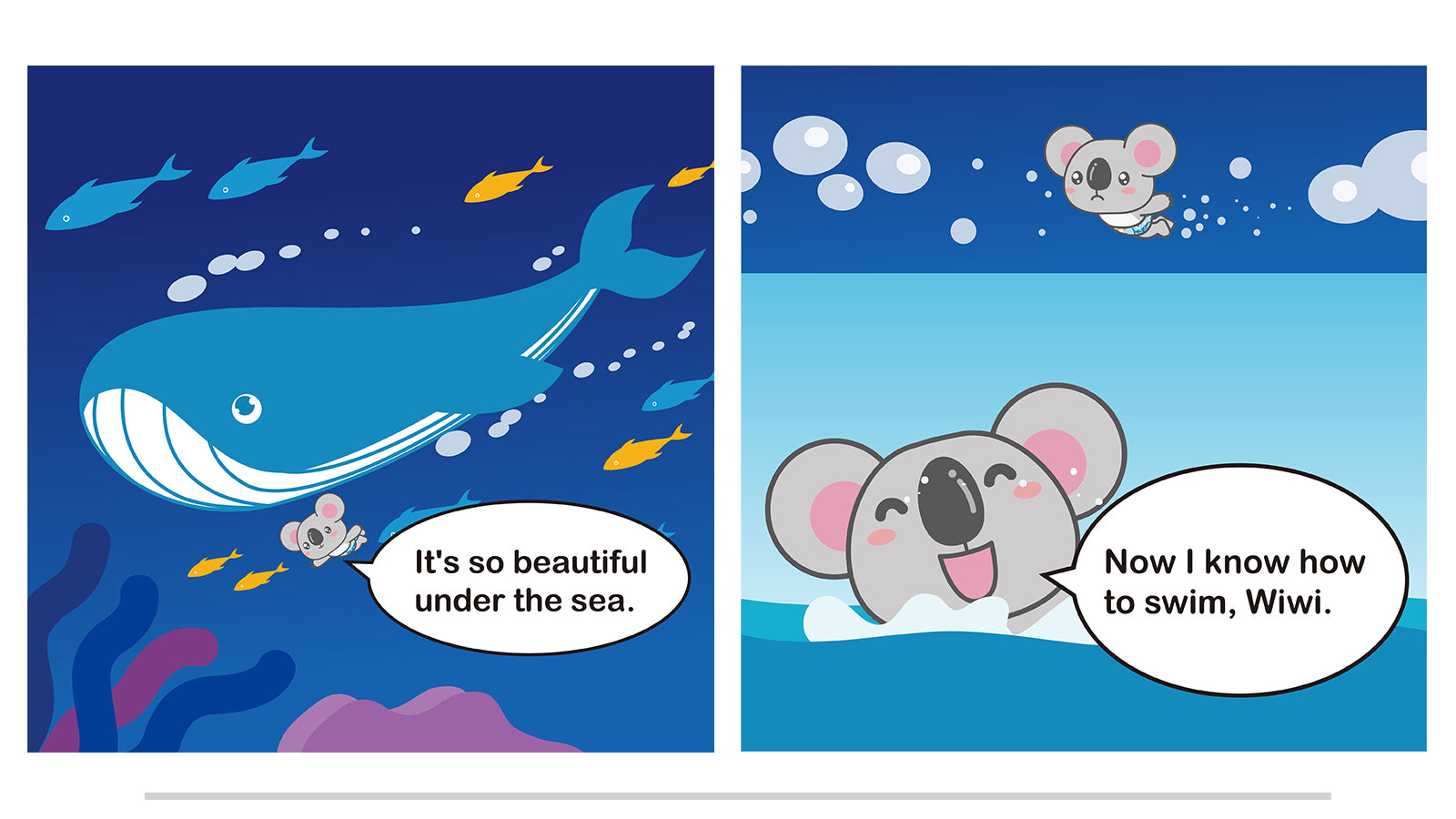
BIBI was a little koala who didn't like getting wet. But one day, his sister WIWI took him to the beach and bought him a special swimsuit. When WIWI drew a magic whale on the swimsuit, a real whale popped out of the water! The whale took BIBI on a fun underwater adventure, and BIBI wasn't scared anymore!

Previous Post Next Post
Little Koala Story 5---The Arctic Adventure Ⅱ

Little Koala Story 5—The Arctic Adventure Ⅱ

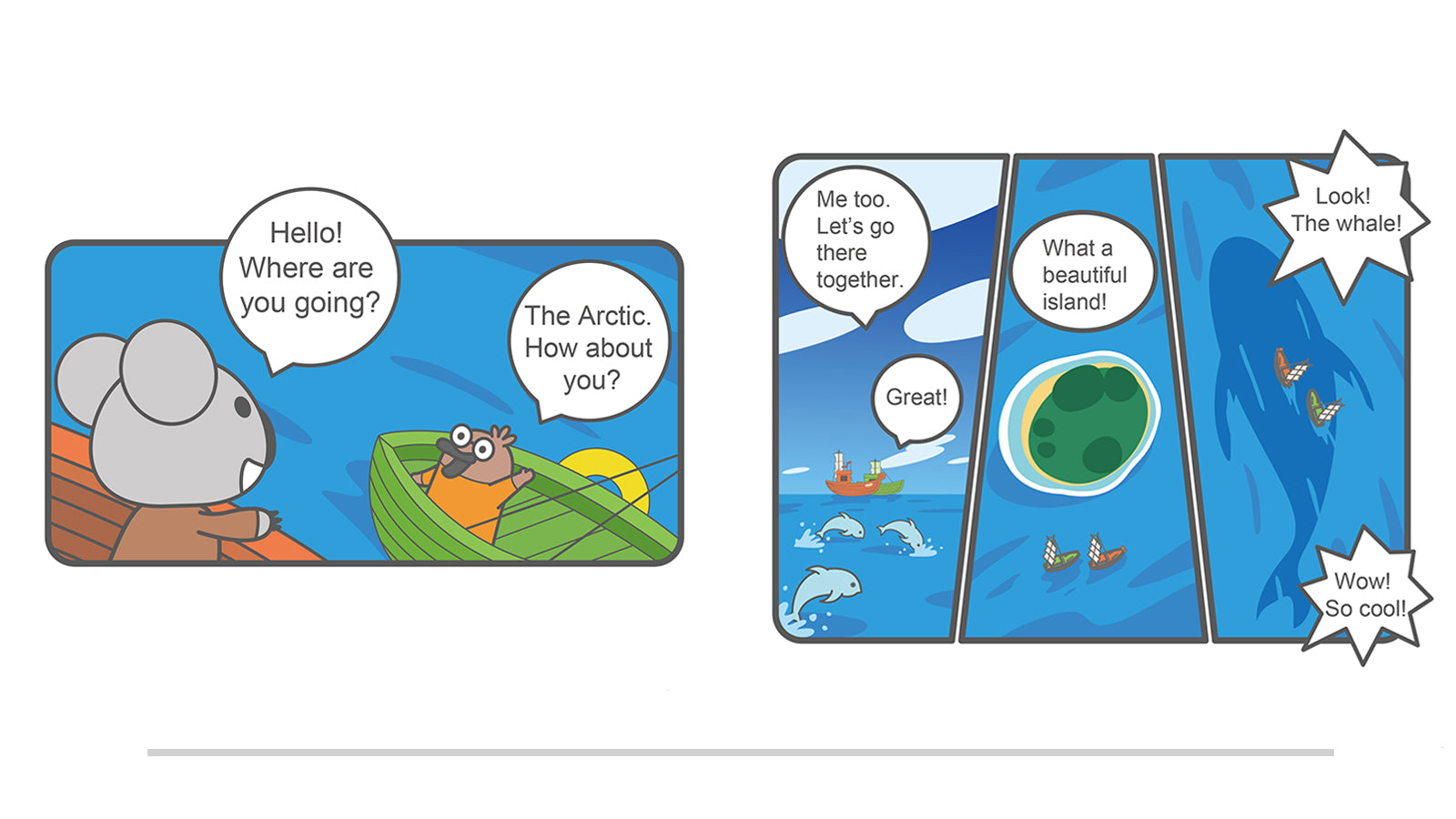
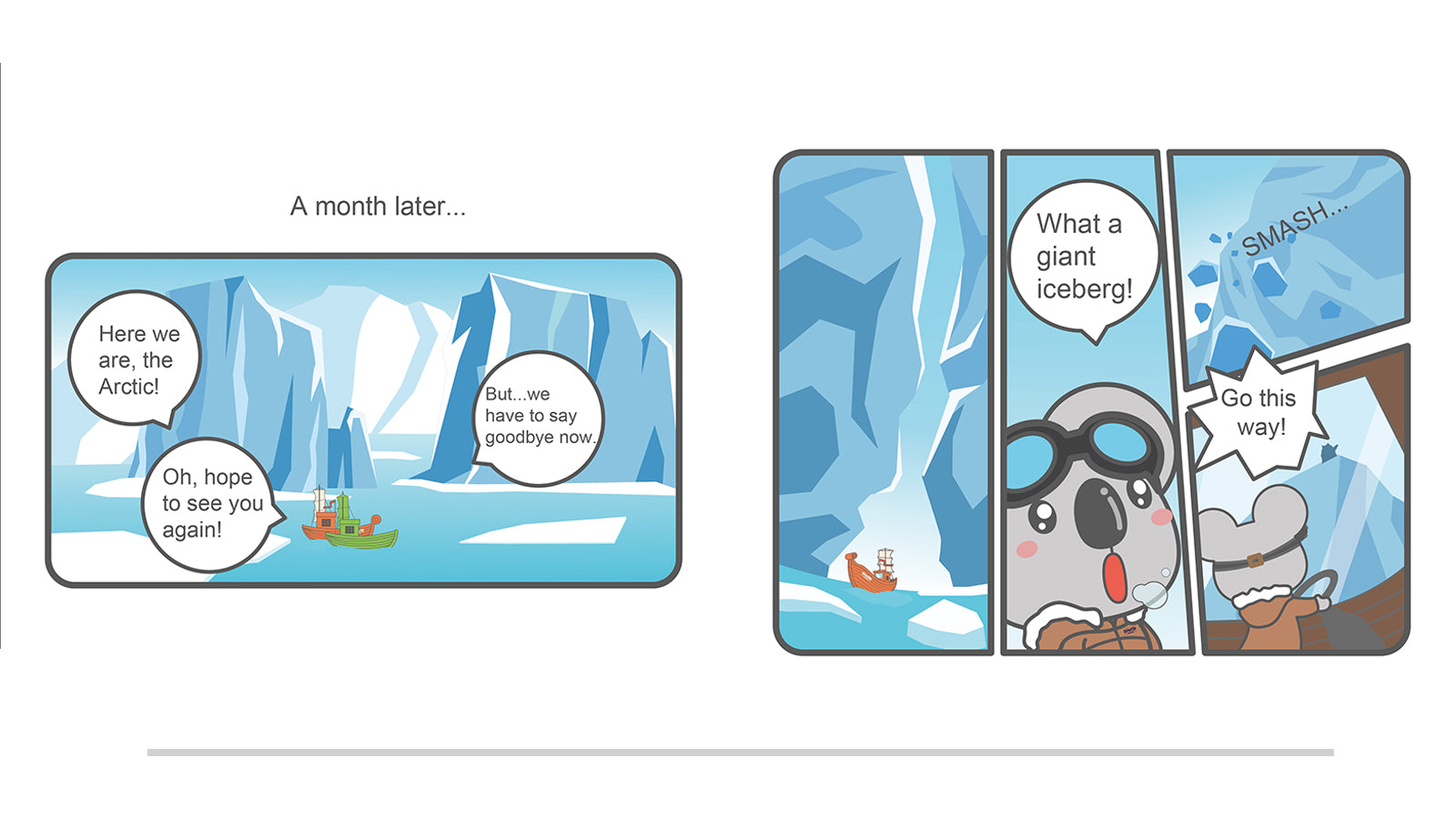
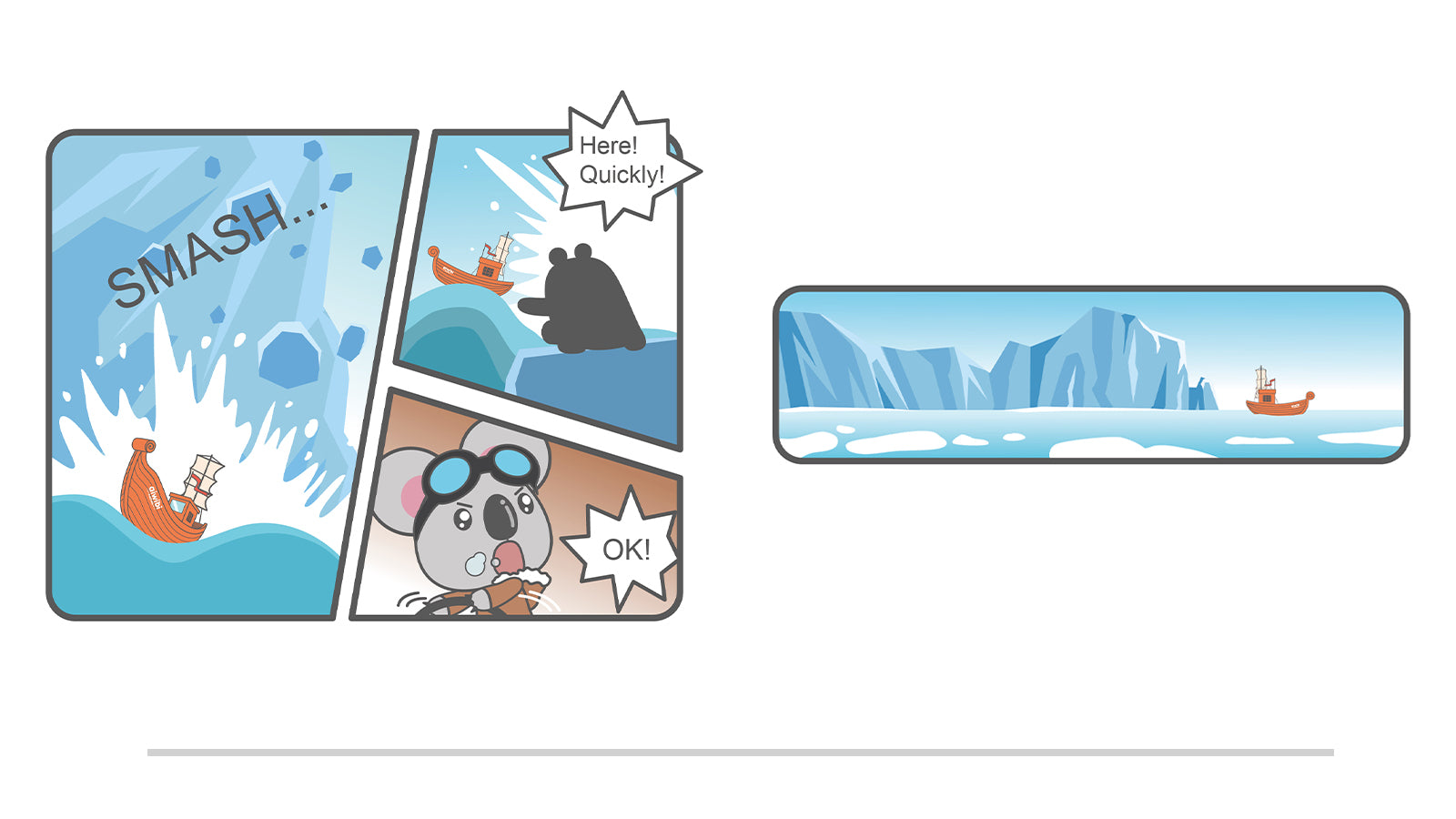
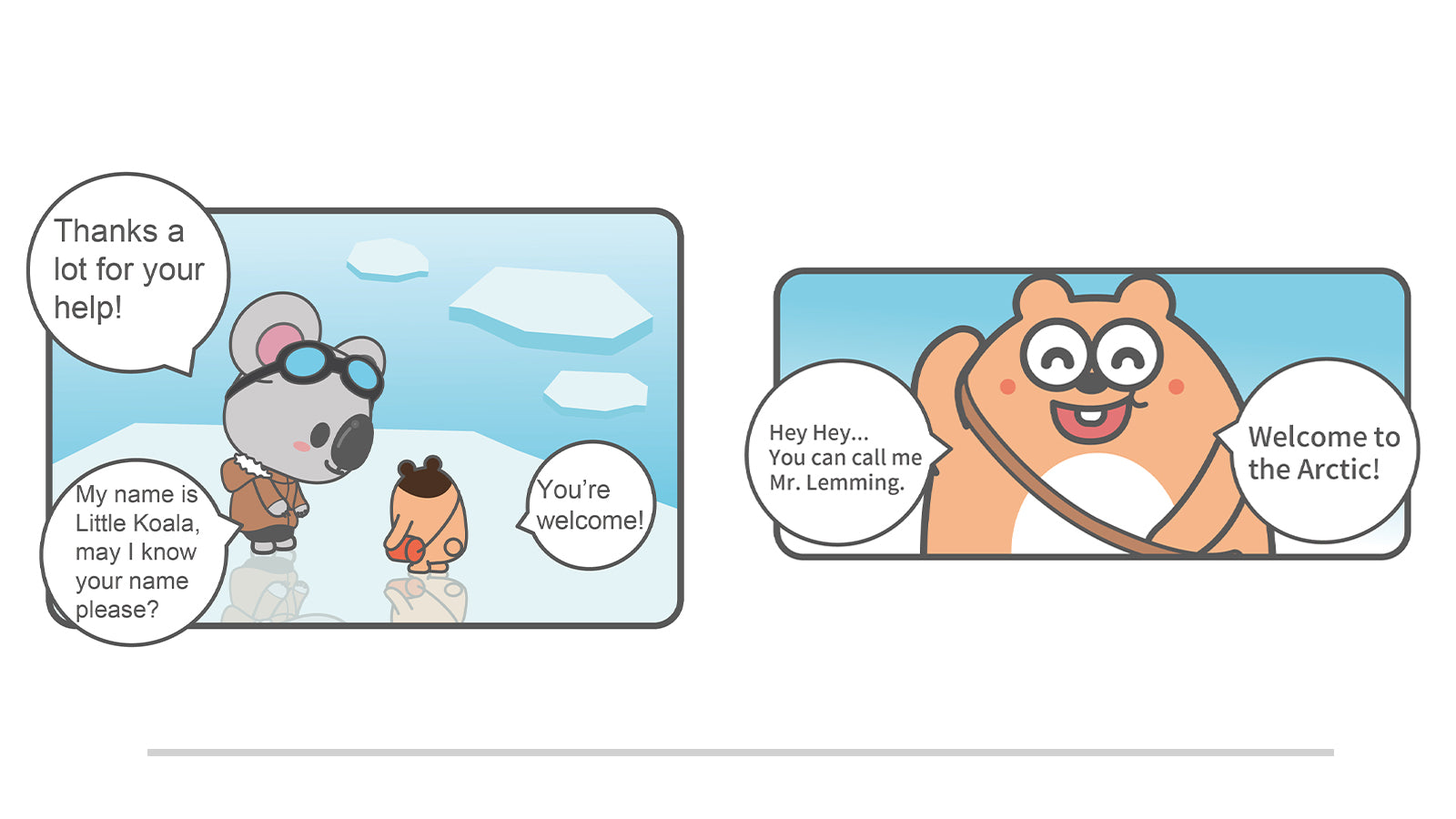
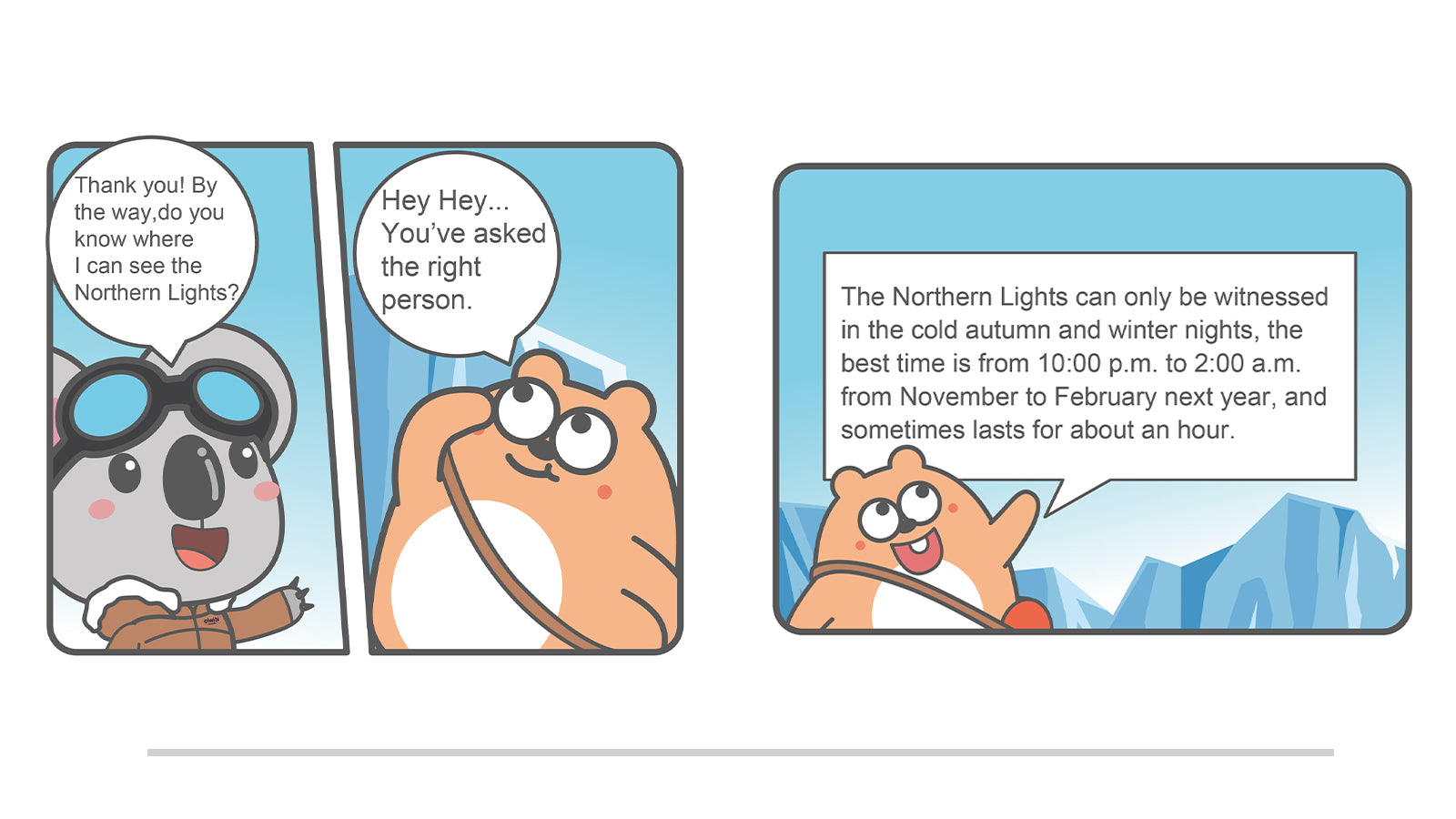
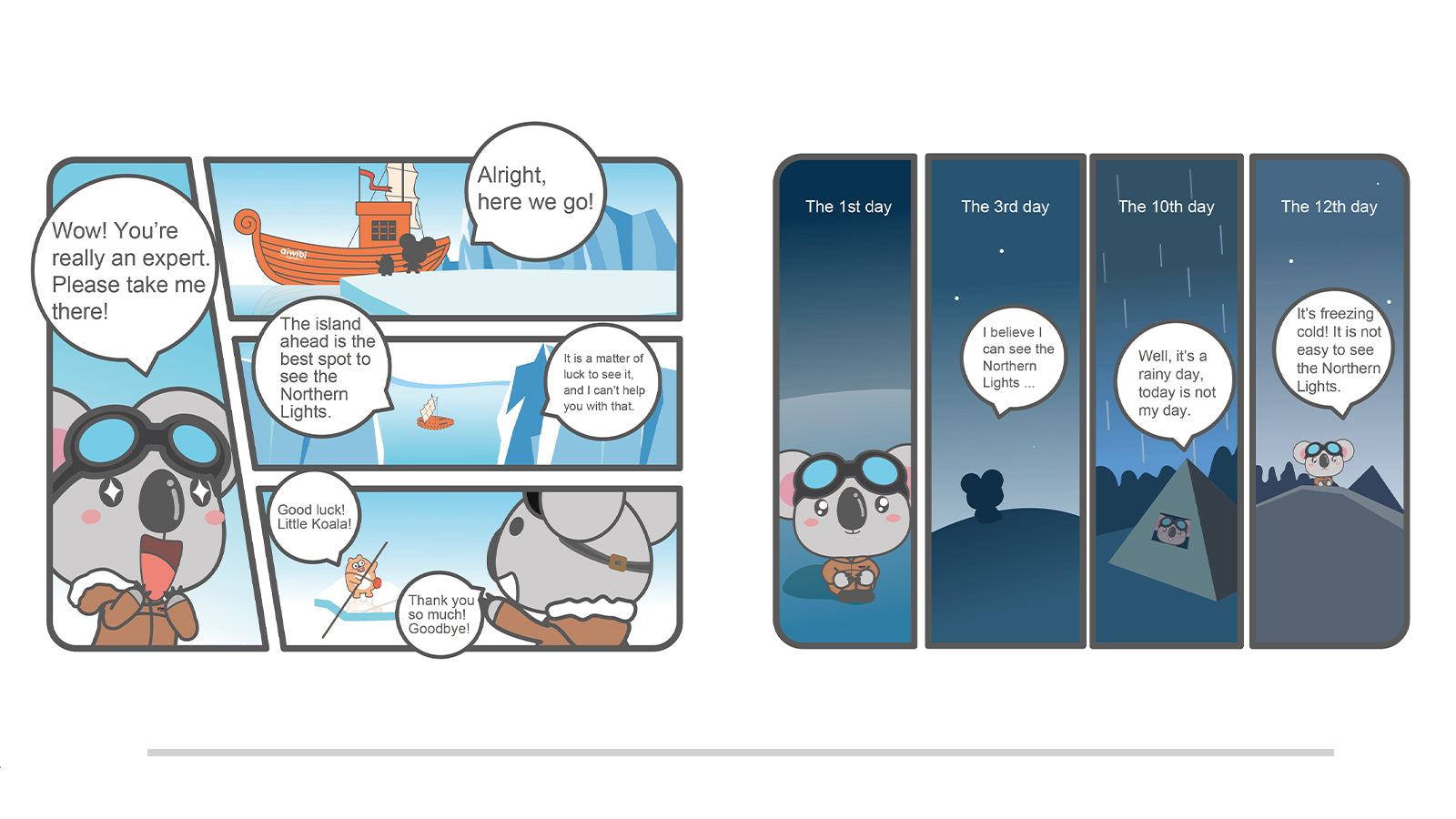
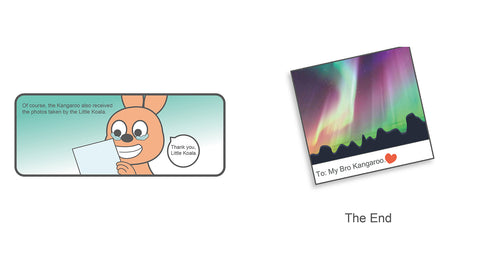
BIBI finally went on a grand adventure to the North Pole to see the magical Northern Lights. Along the way, he met all sorts of amazing creatures, like singing seabirds and a friendly whale. He even made a new friend, Mr. Lemming, who told him all about the wonders of the Arctic. After a long and exciting journey, BIBI finally reached the North Pole and was amazed by the beautiful, dancing lights. He took a picture to share with all his friends back home.

Previous Post Next Post
Little Koala Story 3--Space Exploration

Little Koala Story 3–Space Exploration

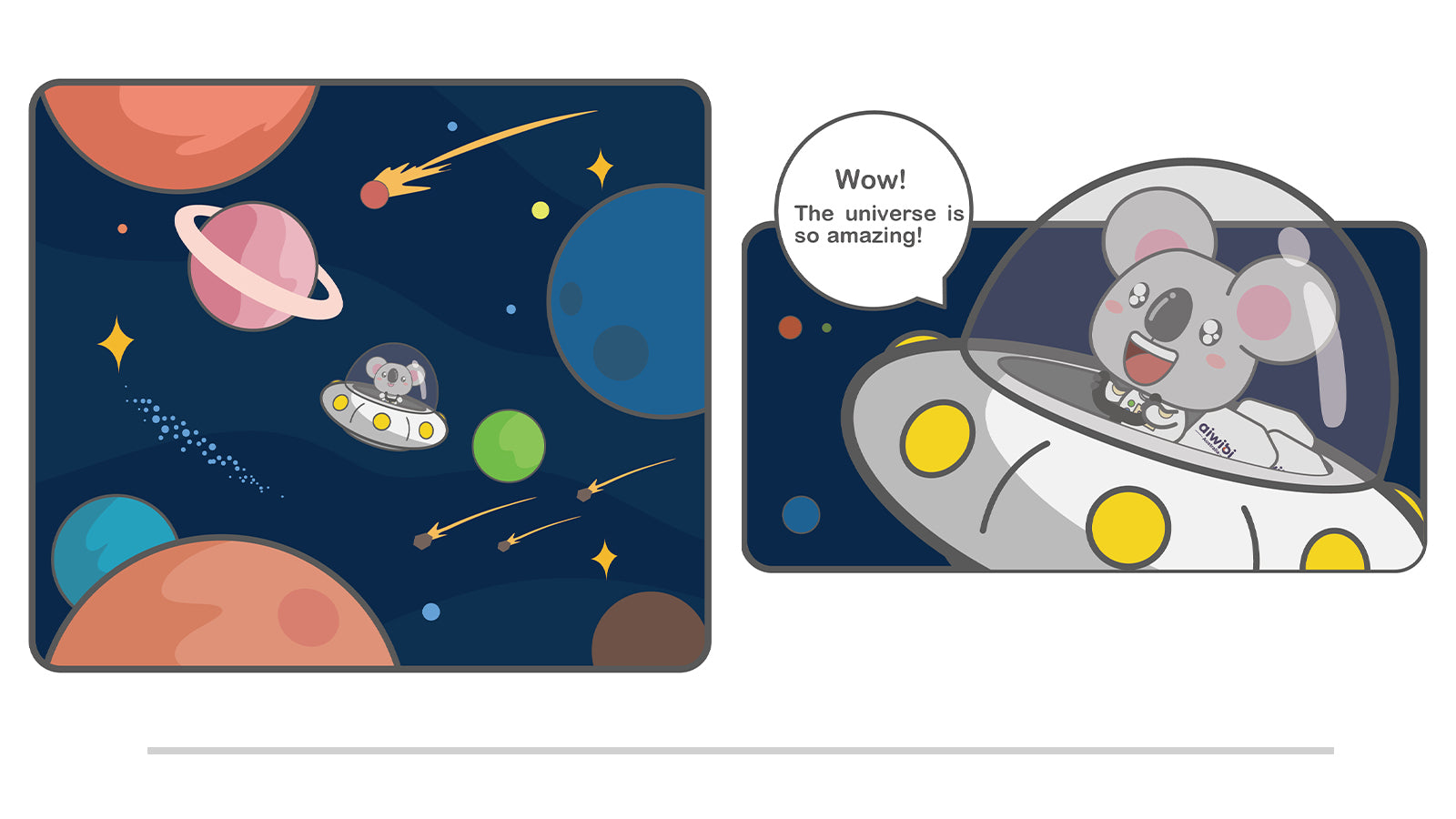
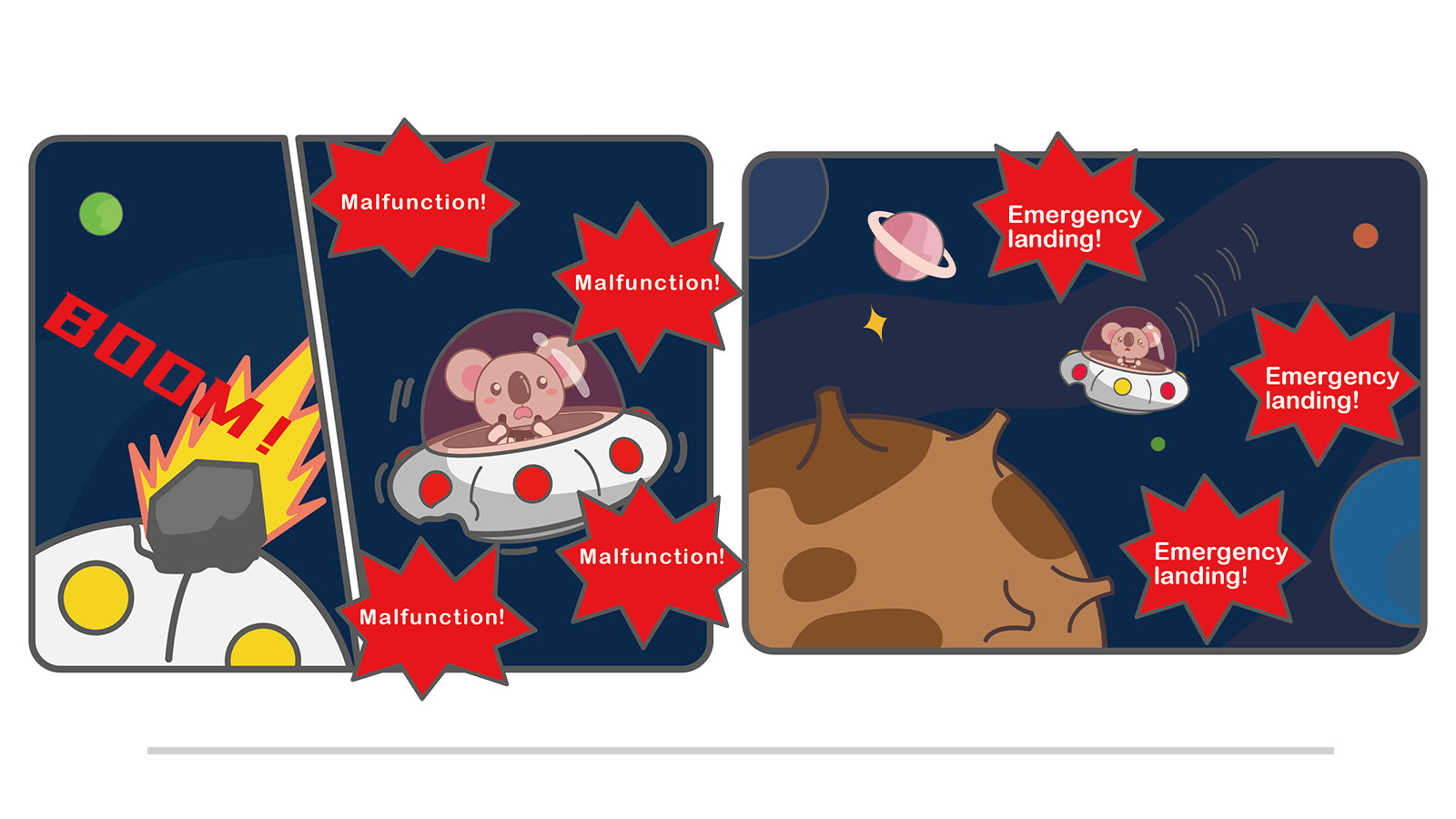
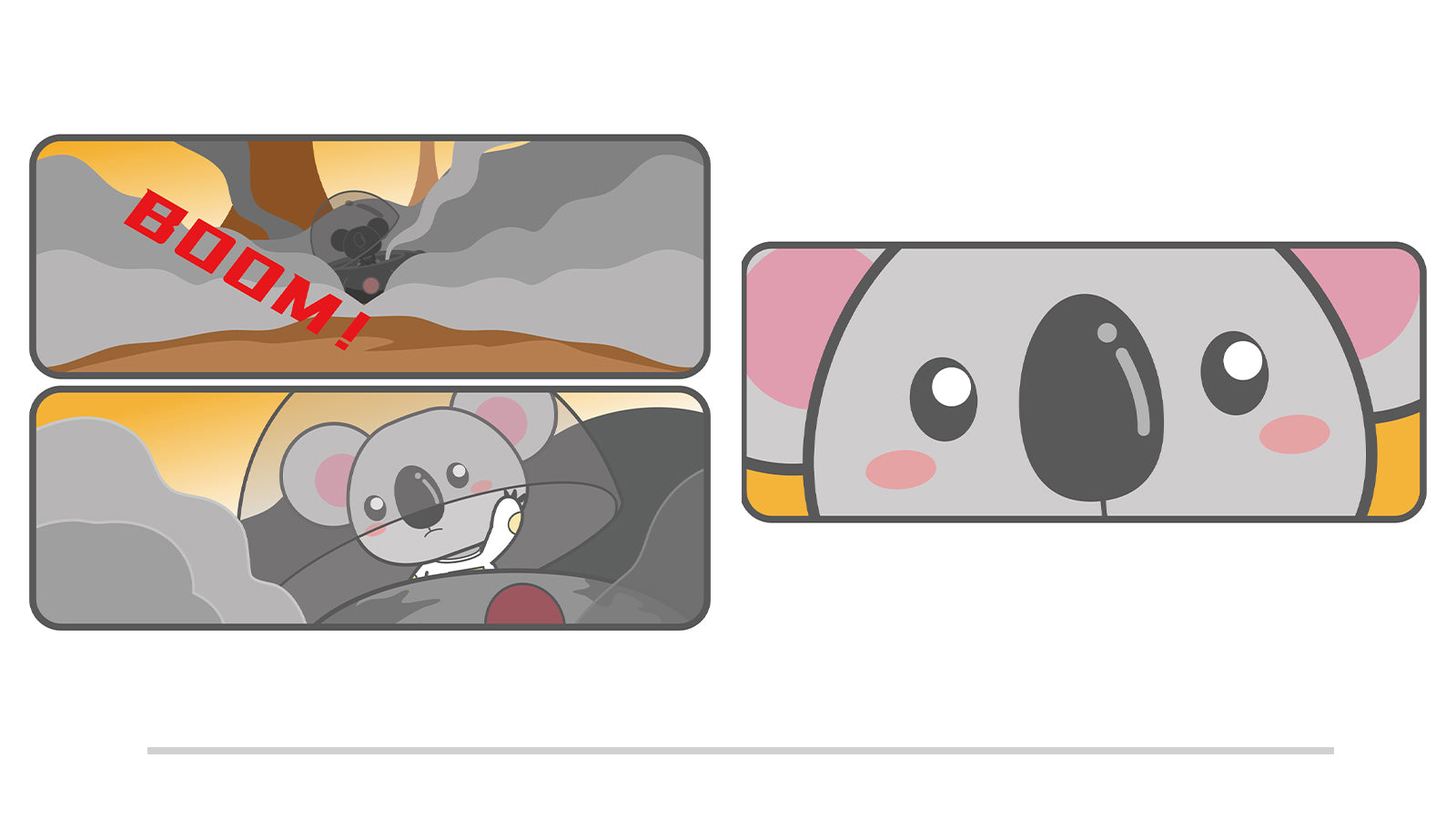
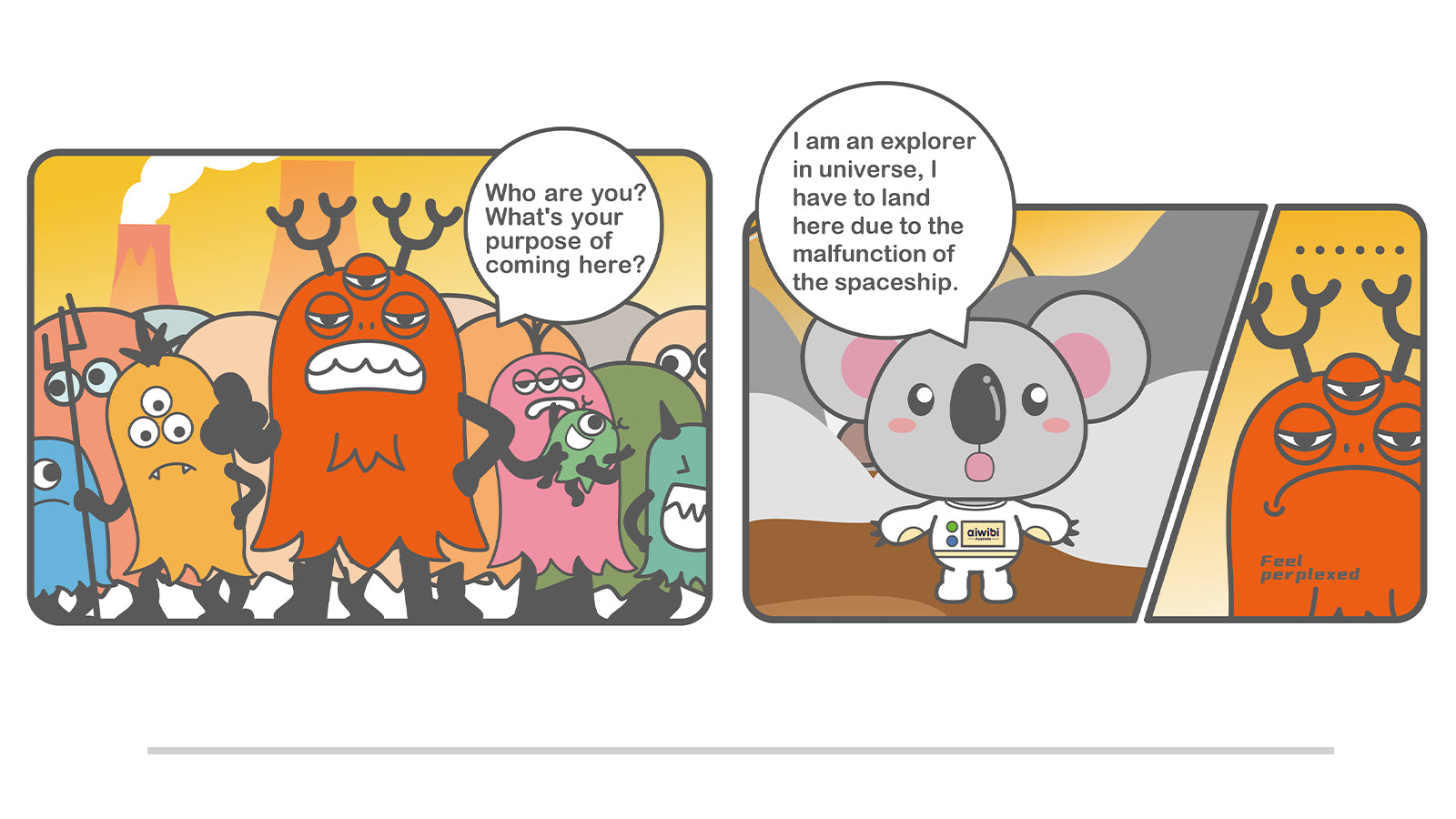
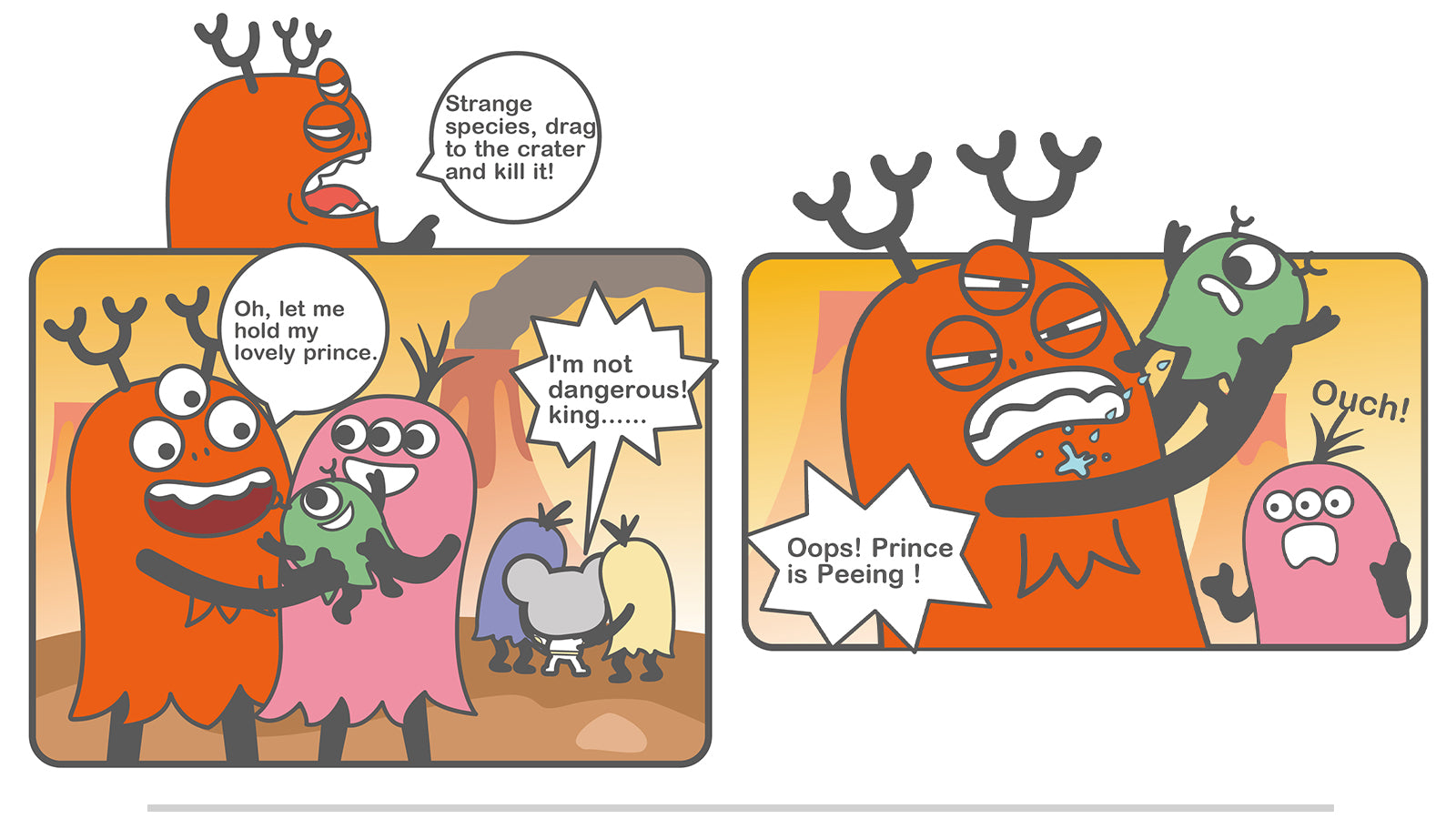
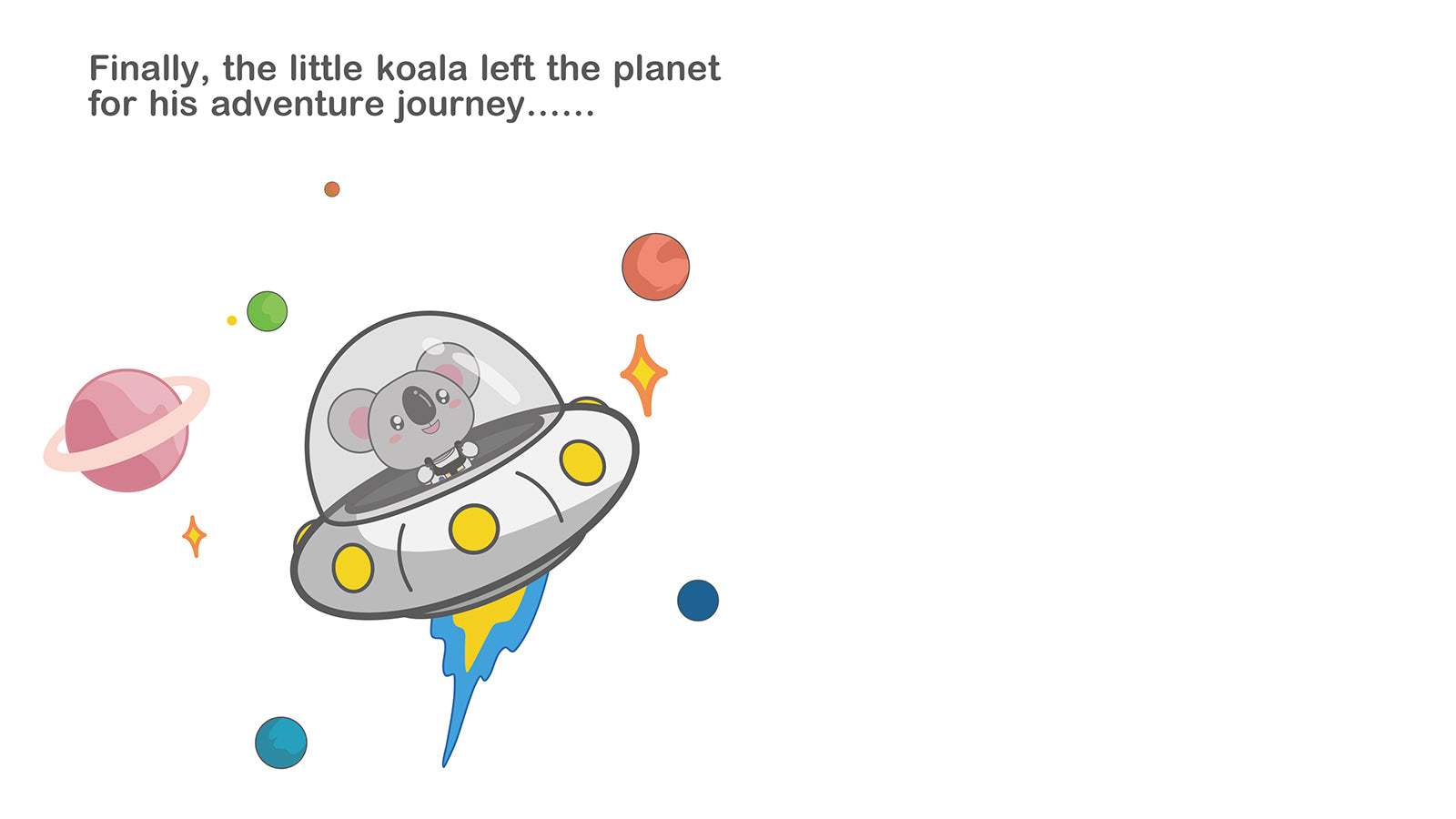
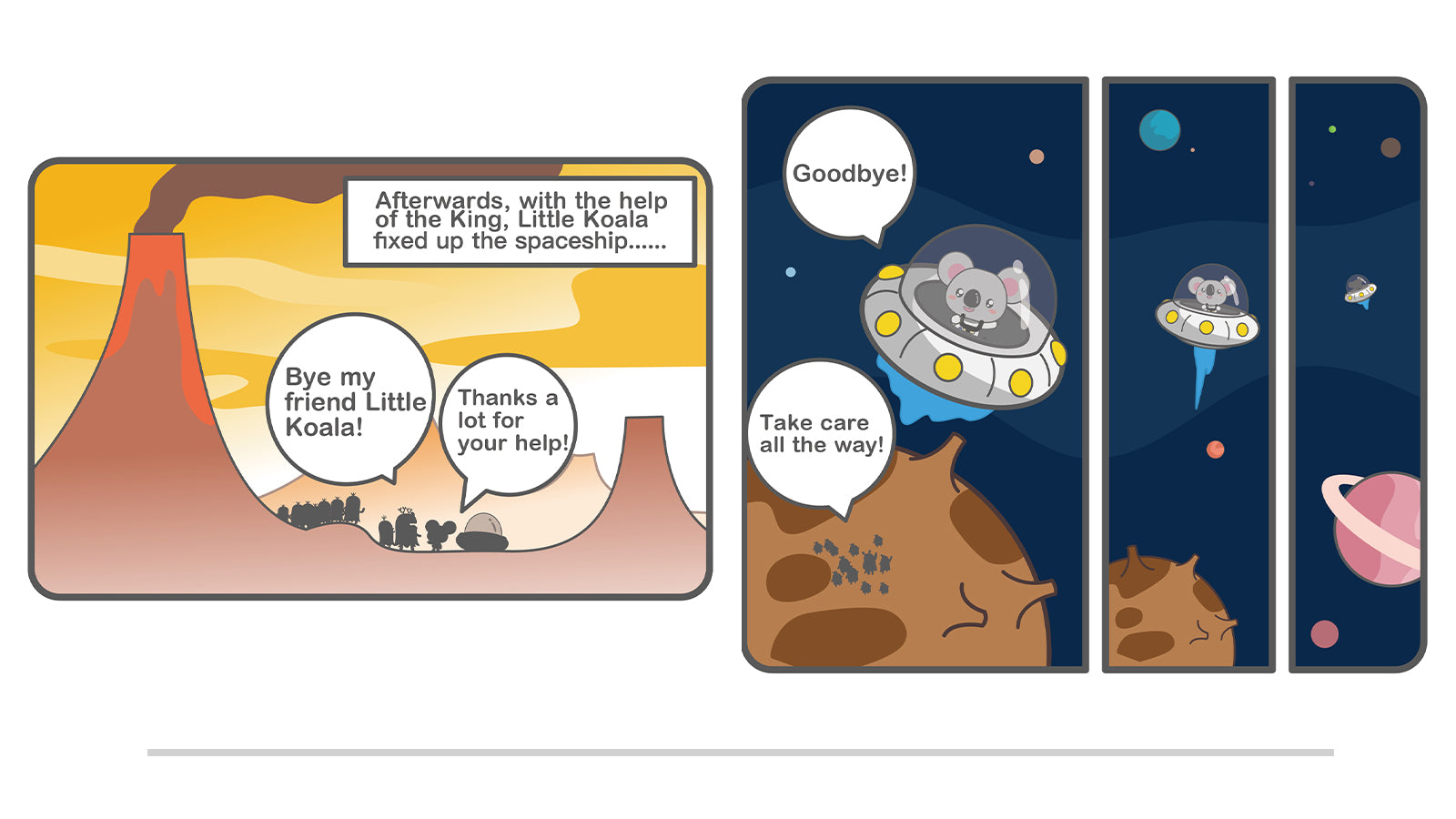
BIBI the koala was exploring the cosmos when his spacecraft was struck by a meteoroid storm. Forced to make an emergency landing on an uncharted planet, he encountered a curious and helpful alien species. After a collaborative effort to repair her damaged vessel, BIBI was able to resume his interstellar voyage.


Previous Post Next Post
-Santa Koala-

-Santa Koala-

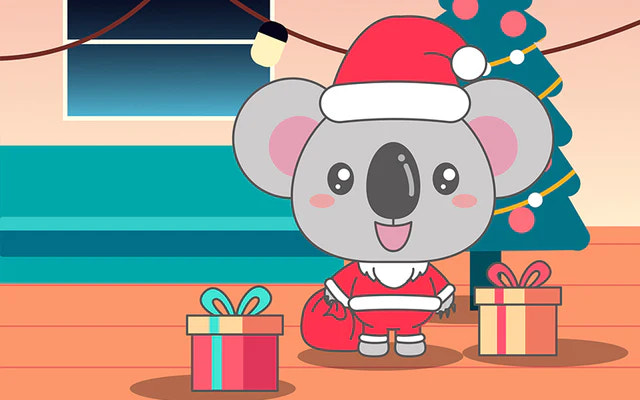
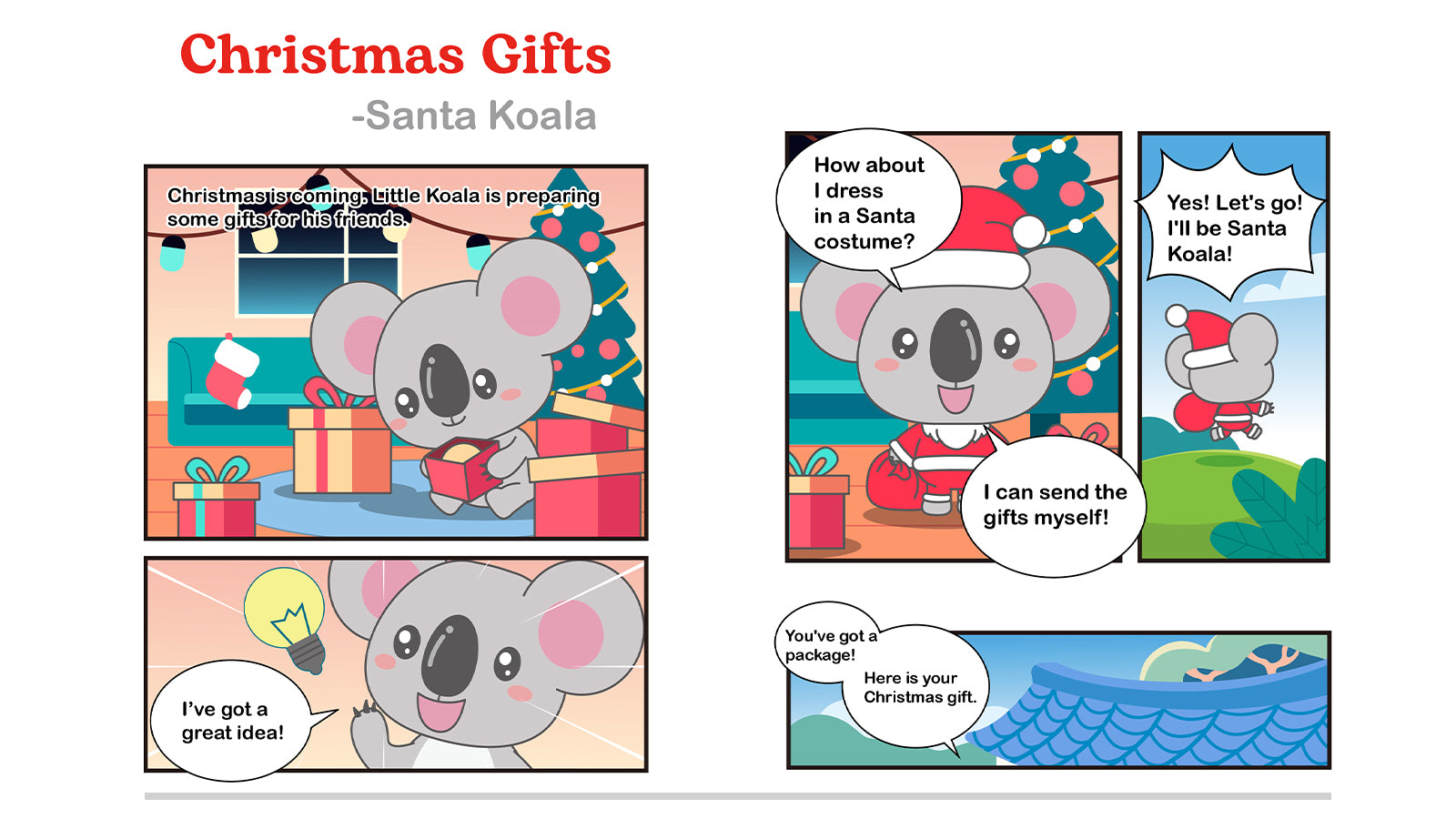
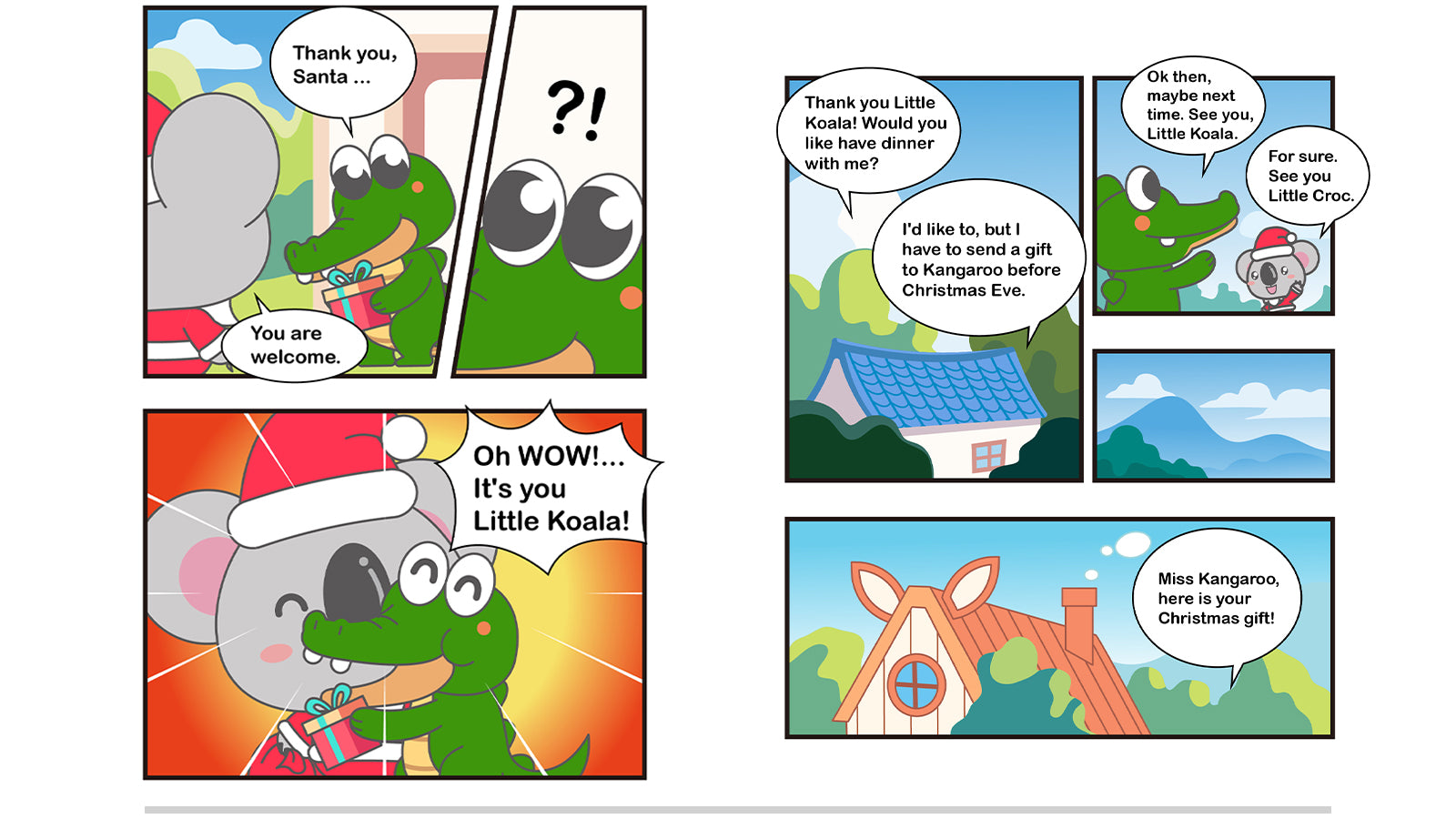
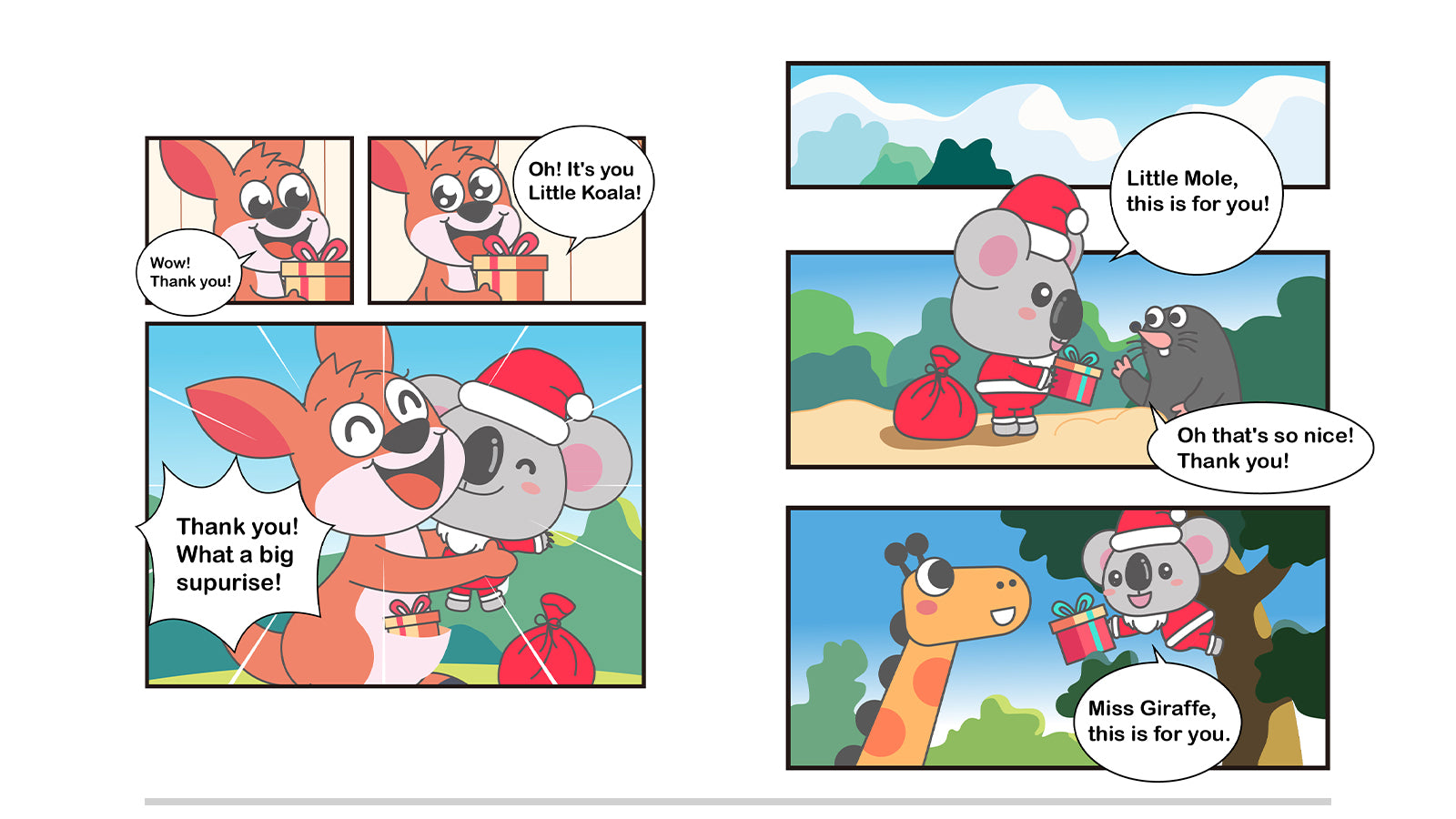
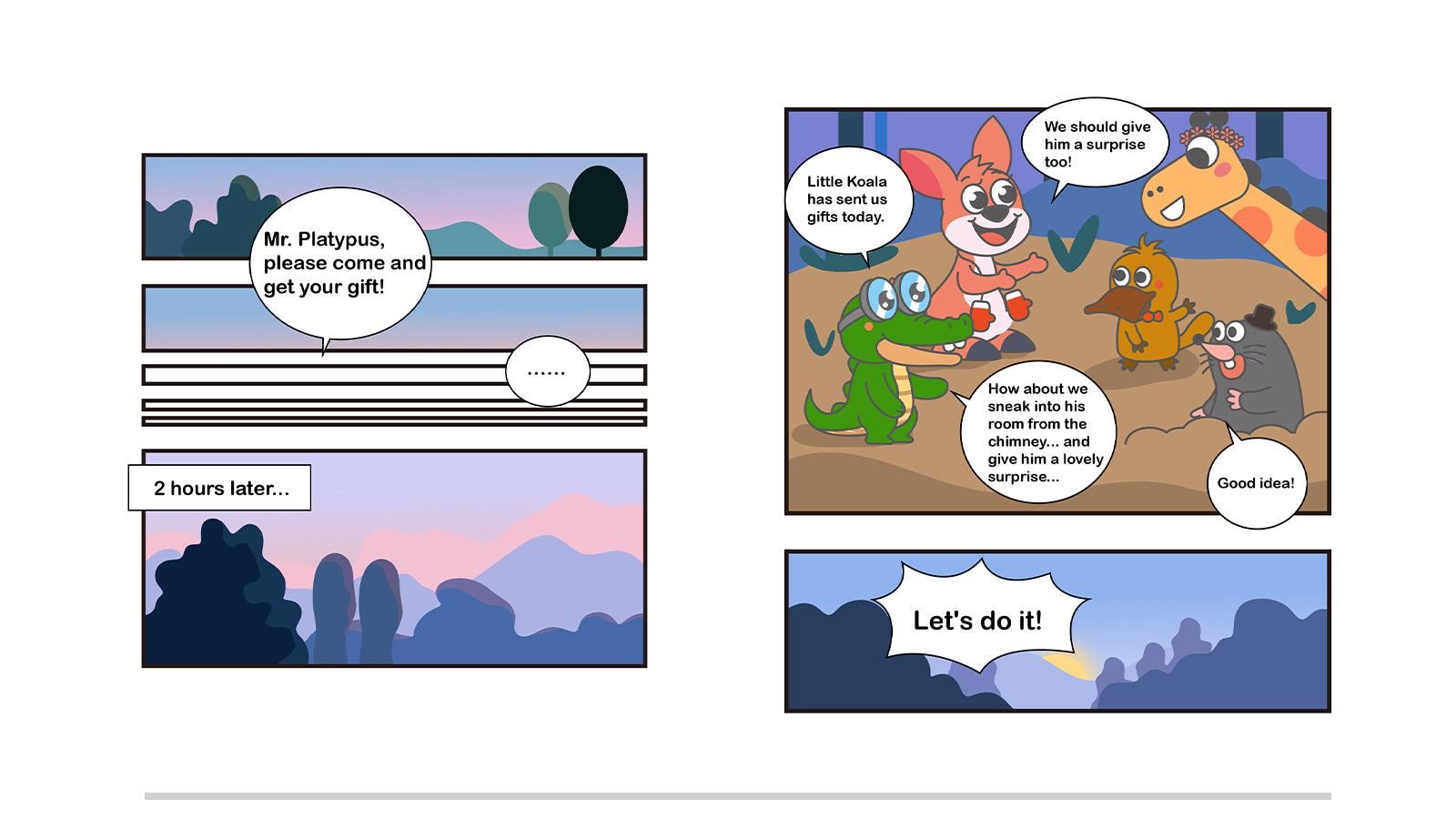
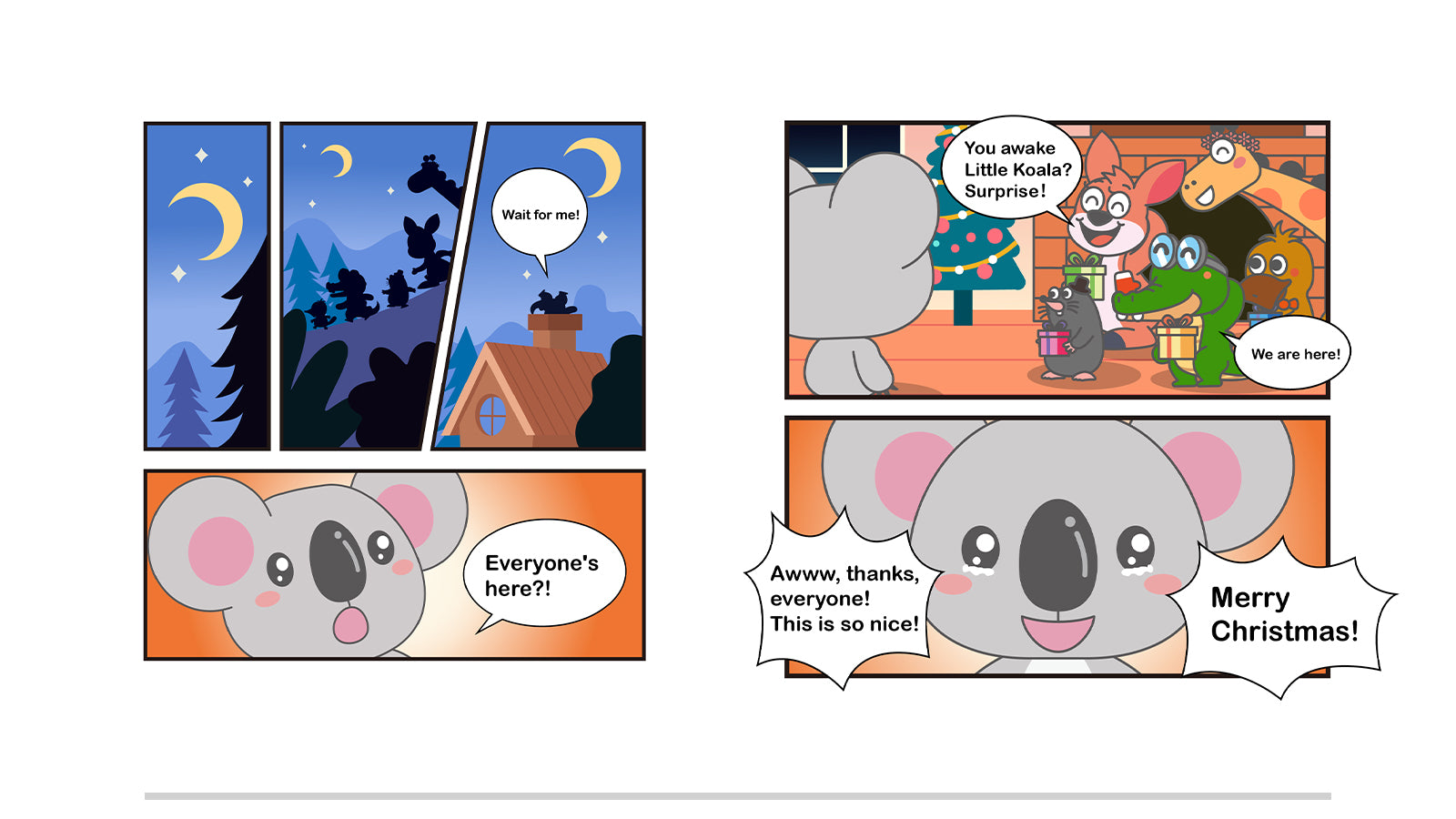
Christmas is coming and BIBI is ready to celebrate! He’s been busy making special gifts for all his friends. But then he gets a wild idea! What if he could be Santa Claus? He could deliver the presents himself and make everyone super happy! Little does he know, his friends are planning a big surprise for him too.

BIBI the Aiwibi koala prepares Christmas gifts for his friends.
BIBI imagines becoming Santa Claus in the Aiwibi Christmas story.
BIBI dressed as Santa Koala and ready to deliver Christmas presents.
Santa Koala delivers Christmas presents to his friends.
BIBI's friends prepare a special Christmas surprise for him.
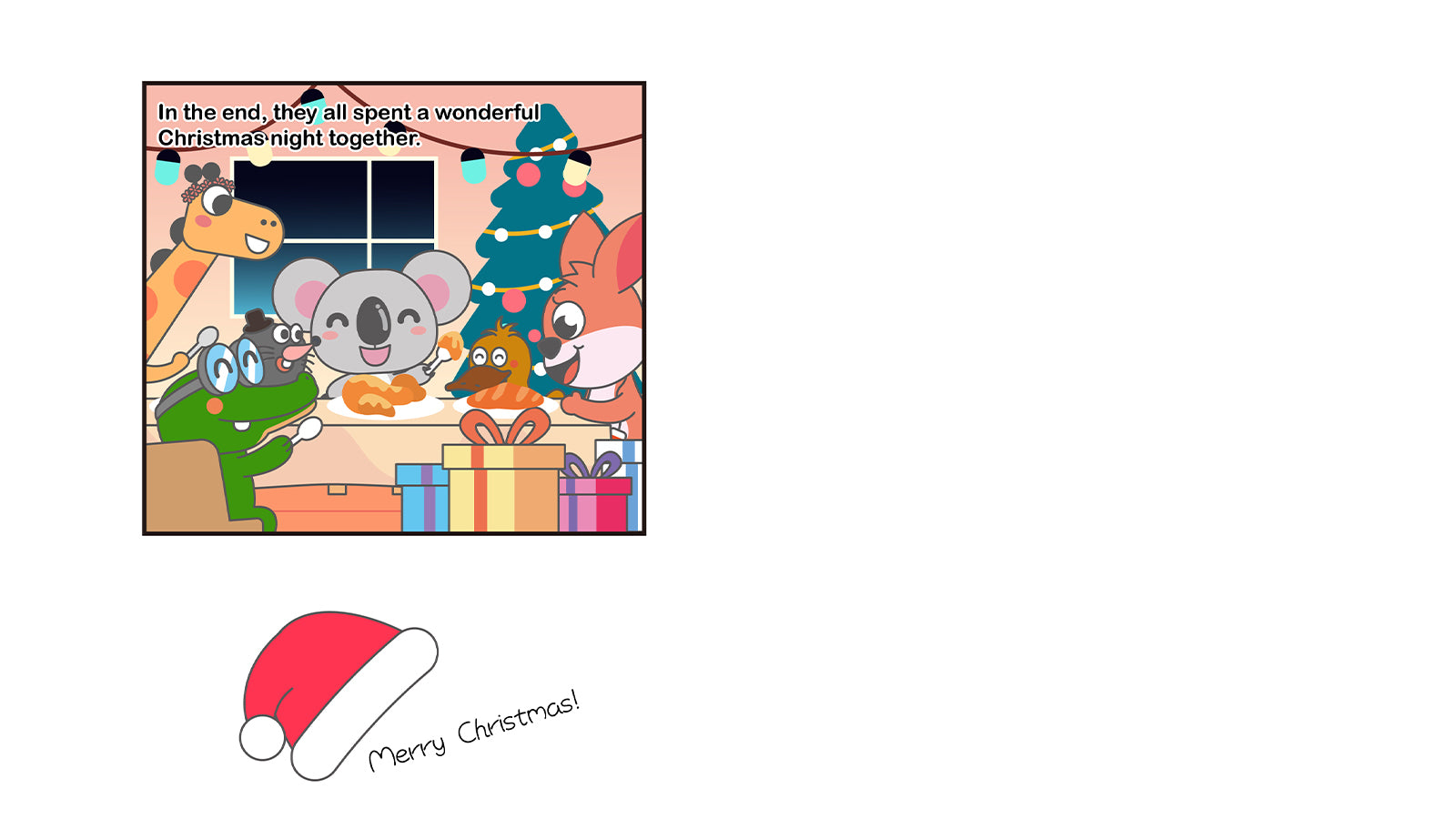
BIBI and his friends celebrate Christmas together.
Previous Post Next Post
Potty Training Your Baby: A Step-by-Step Guide

Potty Training Your Baby: A Step-by-Step Guide

G’day, parents! So, you’ve decided to embark on the wild ride of potty training. Congratulations! You’re about to enter a world of tiny toilets, soggy socks, and the occasional “Mum, I did a wee!” shouted proudly in the middle of Woolies. But fear not, mate—this guide will help you navigate the potty-training jungle with a smile (and maybe a cuppa in hand).

When to Start: The Great Aussie Timing Debate

Let’s be real, there’s no magical age when your child will suddenly decide they’re ready to ditch the nappies and embrace the porcelain throne. Most kiddos start showing interest between 18 and 24 months, but don’t stress if your little tacker is taking their sweet time. Look for these signs:

  • They can stay dry for a couple of hours (a miracle, right?).
  • They start eyeing off the toilet like it’s a new playground.
  • They can follow simple instructions (like “put the Vegemite back in the cupboard, please”).
  • They’ve mastered the art of pulling their pants up and down (a skill we all take for granted).

If they’re showing these signs, it’s time to grab your Akubra and get cracking!

Choosing the Right Potty: The Throne Fit for a Tiny King or Queen

Now, let’s talk potties. You’ve got two options: a standalone potty chair or a seat that fits over the big toilet. If you go for the potty chair, make sure it’s sturdy—because nothing says “parenting fail” like a wobbly potty tipping over mid-wee.

Pro tip: Let your kiddo pick their potty. If it’s covered in dinosaurs or unicorns, they’ll be more likely to use it. Plus, it’ll look fabulous in your bathroom.

Creating a Routine: Because Consistency is Key (and Sanity-Saving)

Alright, let’s get down to business. Potty training is all about routine, so here’s how to make it stick:

  1. Regular Potty Breaks: Schedule them after meals, naps, and playtime. Think of it as a mini time-out for their bladder.
  2. Positive Reinforcement: When they nail it, throw a party (or at least a high-five). Even if it’s just a dribble, celebrate like they’ve just won the Melbourne Cup.
  3. Books and Bribery: Read them potty-training books or introduce a sticker chart. Stickers are basically toddler currency, so use them wisely.

Handling Accidents: Keep Calm and Carry a Mop

Let’s face it, accidents are gonna happen. Your carpet will suffer. Your sanity will waver. But remember, it’s all part of the process. When accidents occur, channel your inner Steve Irwin and stay calm. Clean up the mess, remind them where the potty is, and move on. No drama, no worries.

Involve Your Child: Teamwork Makes the Dream Work

Get your little one involved in the process. Let them pick out their own undies (bonus points if they’re covered in Aussie animals). Explain what’s happening in simple terms—like, “Wees go in the potty, not on the dog.”

And hey, if they’re resistant, try making it fun. Sing a silly song while they’re on the potty or pretend they’re a kangaroo hopping to the loo. Creativity is your best mate here.

Patience, Grasshopper: The Golden Rule of Potty Training

Potty training is a marathon, not a sprint. There will be setbacks. There will be days when you question why you ever thought this was a good idea. But hang in there, cobber. Celebrate the small wins, stay positive, and remember: every kid gets there eventually.

Extra Tips for the Savvy Aussie Parent

  • Reward System: Stickers, lollies, or a special treat can work wonders. Just don’t go overboard—otherwise, you’ll be bankrupt by the time they’re fully trained.
  • Make It Fun: Turn potty time into a game. Who can make the loudest “plop” noise? (Yes, you’ll regret this later, but it’s worth it.)
  • Team Up with Daycare: If your child goes to daycare or preschool, make sure the staff are on board. Consistency is key, and you don’t want mixed messages.

Final Thoughts: You’ve Got This!

Remember, every kid is different. What works for your mate’s child might not work for yours, and that’s okay. The most important thing is to keep it positive, stay patient, and laugh at the chaos along the way.

So, grab your sense of humour, stock up on cleaning supplies, and get ready to cheer your little one on as they conquer the potty. Before you know it, they’ll be a pro—and you’ll be sipping a well-earned cuppa, wondering why you ever stressed about it.

Good luck, and may the potty-training gods be ever in your favour! 🚽✨

Previous Post Next Post
Tips and Advice for Parents on Daily Outings with Children

Tips and Advice for Parents on Daily Outings with Children

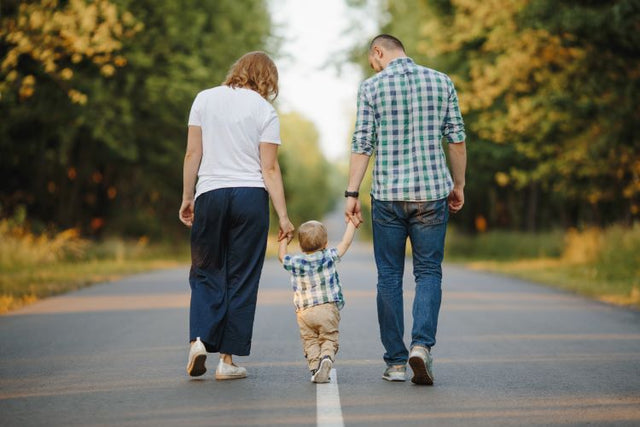
Travelling with a baby can be both exciting and, let's face it, a bit of a challenge. Ensuring your little one’s safety and comfort is paramount, but it’s also a wonderful opportunity to bond and create lasting memories. Here are some essential tips to help you navigate the journey smoothly while making the most of your time together, especially in our beautiful Aussie landscapes.

Tips and Advice for Parents on Daily Outings with Children

1. Preparation is Key

Before your trip, pack all the essentials, including:

  • Nappies & Wipes (more than you think you’ll need)
  • Extra Clothing (for baby and you)
  • Baby Food & Snacks
  • First Aid Kit (baby-safe medications, thermometer)
  • Comfort Items (favourite blanket, toy, or dummy)

Pro Tip: Involving your baby in packing (even just letting them hold a toy while you organise) can make them feel included and excited for the trip.

2. Car Safety

If travelling by car:

  • Use a rear-facing car seat (properly installed).
  • Take frequent breaks for feeding, nappy changes, and playtime.
  • Play interactive games like peek-a-boo or sing nursery rhymes to keep your baby engaged.

Best Outdoor Stops:

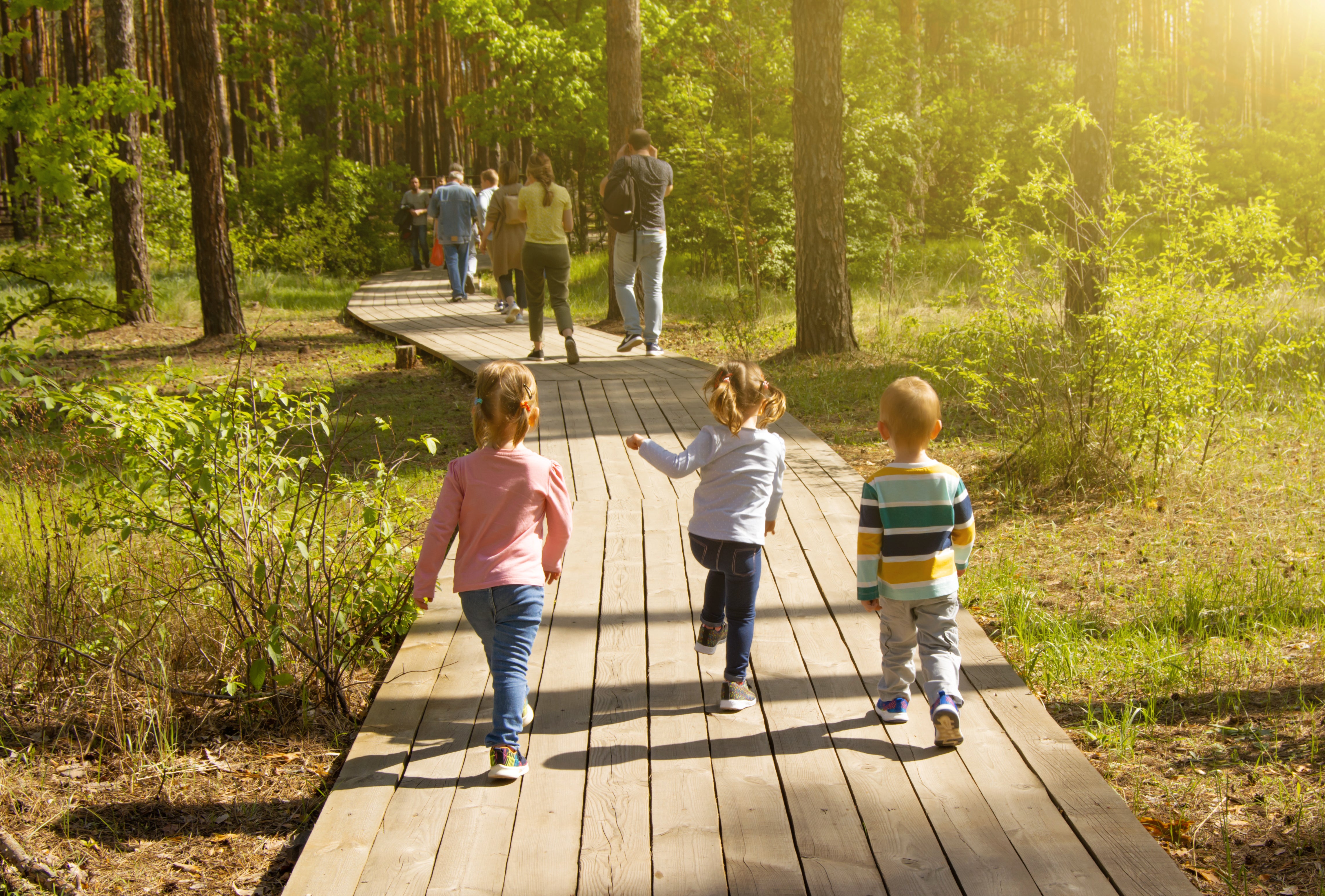
  • Rest areas with green spaces – Let your baby crawl or practice walking on the grass.
  • Scenic viewpoints – Fresh air and new sights stimulate their senses.

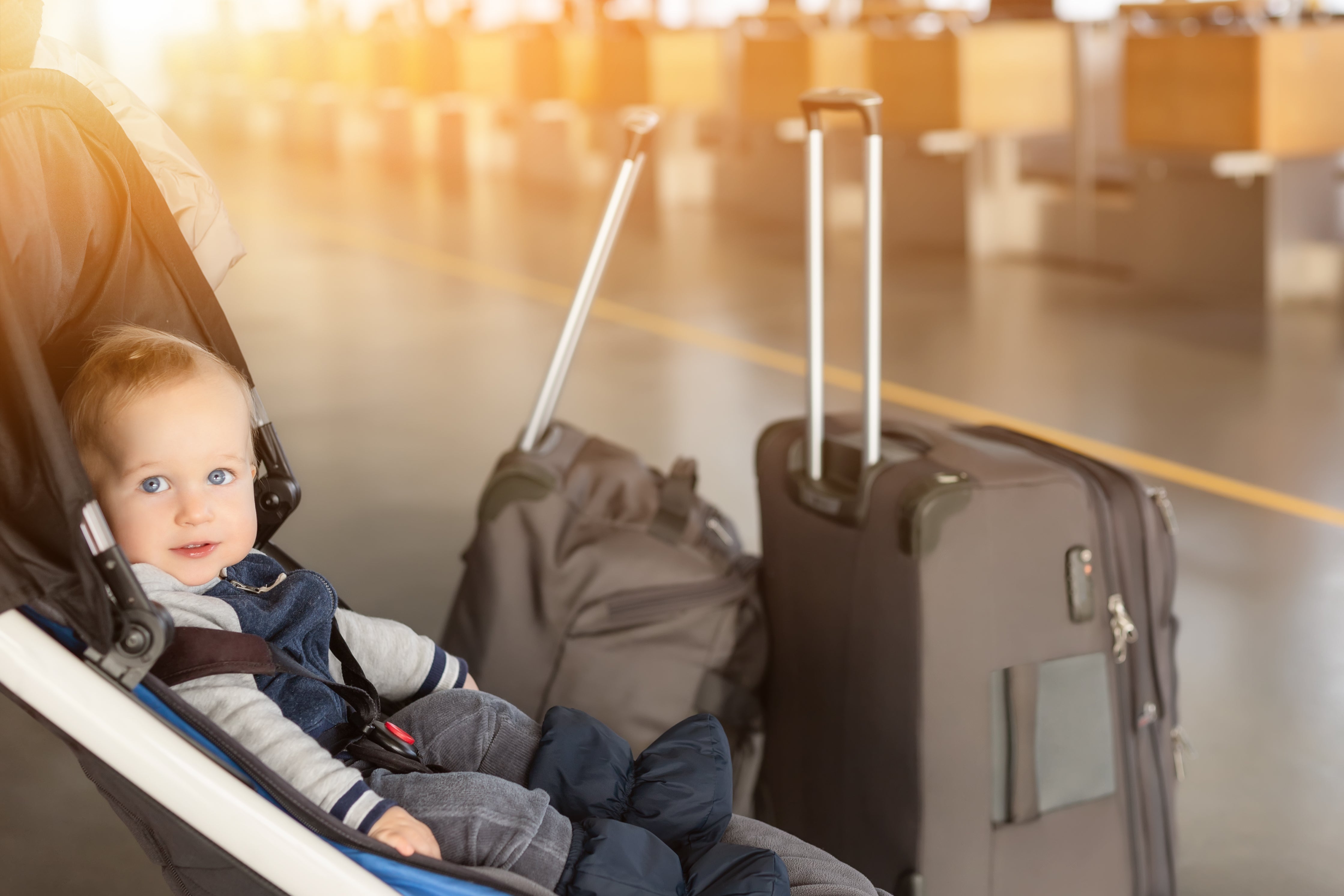
3. Air Travel Tips

For flights:

  • Book a direct flight to minimise stress.
  • Feed during take-off/landing to ease ear pressure.
  • Pack a carry-on with essentials (nappies, wipes, extra clothes, toys).

In-Flight Bonding:

  • Walk the aisle with your baby to stretch and explore (if allowed).
  • Point out clouds or lights through the window to spark curiosity.
Tips and Advice for Parents on Daily Outings with Children

4. Hotel Safety & Playtime

Once you arrive:

  • Baby-proof the room (cover outlets, move hazards).
  • Request a safe cot (check for recalls).
  • Bring portable toys (soft blocks, rattles) for playtime.

Outdoor Hotel Activities:

  • Pram walks around the hotel grounds.
  • Splash time if there’s a baby-friendly pool.

5. Health Precautions

  • Wash hands frequently.
  • Check vaccination needs (if travelling internationally).
  • Stay hydrated (especially in warm climates).

Outdoor Health Tip:

  • Use baby-safe sunscreen and a wide-brimmed hat if spending time outside, especially in our harsh Aussie sun.

6. The Importance of Quality Time

Travel is a perfect opportunity to strengthen your bond with your baby:

  • Unplug from devices and focus on interaction.
  • Narrate your journey ("Look at the big trees!") to boost language development.
  • Cuddle and comfort them in new environments to build security.

Best Outdoor Activities for Babies

When exploring outside, try:

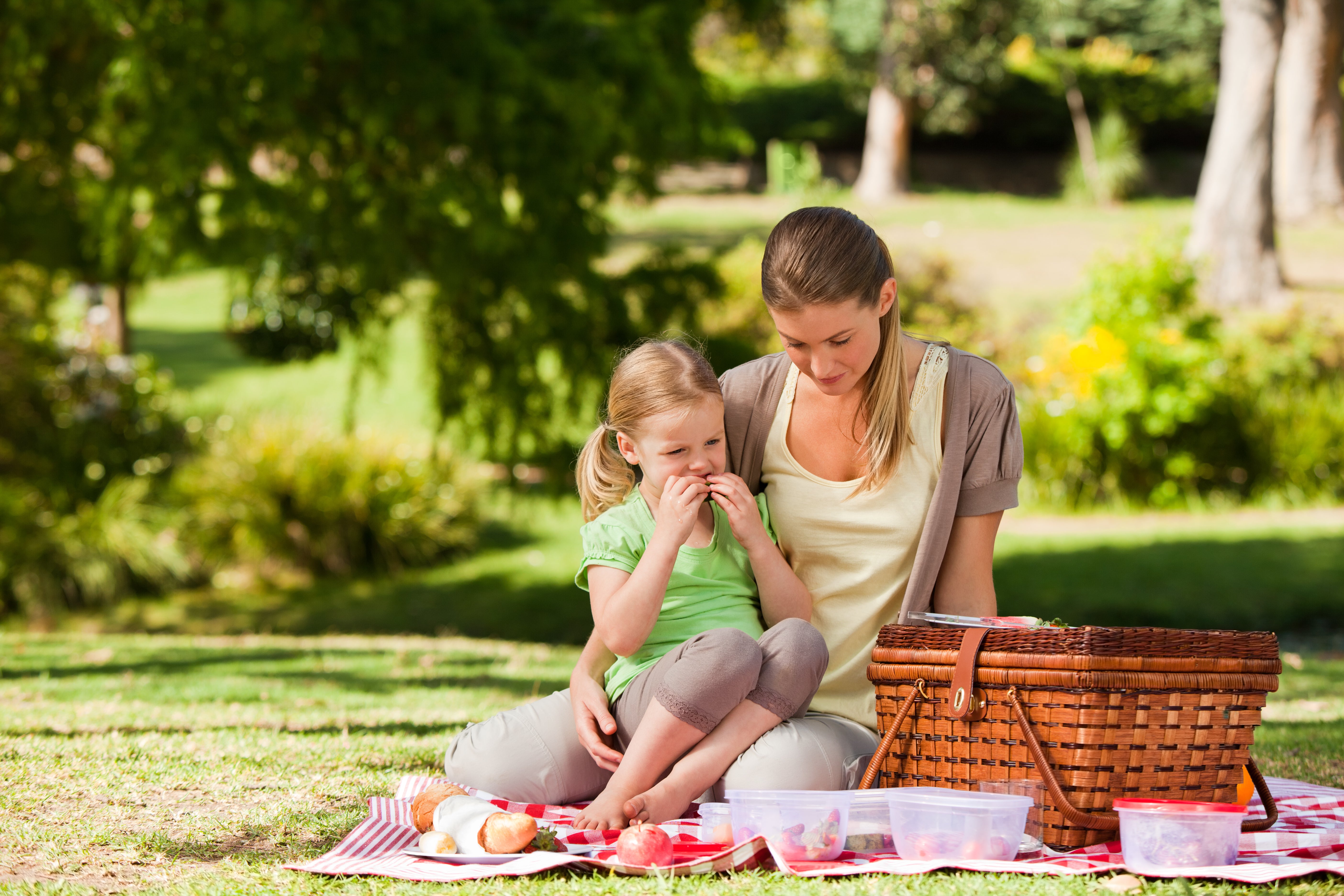
  • ✅ Tummy time on a picnic blanket (great for muscle development).
  • ✅ Sensory walks (let them touch leaves, grass, or sand under supervision).
  • ✅ Babywearing hikes (secure carriers let them see the world from your height).
  • ✅ Park swings (for babies who can sit upright).
Tips and Advice for Parents on Daily Outings with Children

What to Bring for Outdoor Play:

  • Lightweight pram or baby carrier
  • Sun hat & sunscreen
  • Small blanket for ground play
  • Teething toys (if needed)
  • Baby-safe insect repellent (if applicable)

Travelling with a baby requires planning, but it’s also a chance to create cherished memories. By prioritising safety, comfort, and quality time, you’ll make the journey enjoyable for both of you. Whether it’s a car ride, flight, or outdoor adventure in our beautiful country, these moments together are priceless.

Safe and happy travels! 🌍👶💙

Other Article Recommendation:Tips for Traveling with Babies>>>

Previous Post Next Post
1-Year-Old Baby Diet Australia: 3 Key Changes + Meal Plan

1-Year-Old Baby Diet Australia: 3 Key Changes + Meal Plan

Watching your baby transition to toddlerhood is exciting—but when it comes to food, many Aussie parents wonder: "What should my 1-year-old actually be eating?" This guide combines Australian dietary guidelines, local pediatrician advice, and easy meal ideas to help you navigate this messy but rewarding phase.

🌿 Australian Superfoods for 1-Year-Olds

The Aussie landscape offers incredible nutrition-packed local foods perfect for growing toddlers:

Food Benefits Serving Tips
Avocado Healthy fats for brain development Mash on toast fingers or mix into pasta
Sweet Potato Rich in vitamin A & fiber Roast wedges (soft) or mix into pancakes
Ground Beef (Lean) High protein, low fat (iron-rich!) Minced in bolognese or small, soft meatballs (fully cooked and easy to chew)
Macadamias Good fats (finely chopped!) Blend into nut butters or sprinkle on yogurt

Safety Note: Avoid whole nuts due to choking risk. 

🥛 FAQ: Your Top Australian Toddler Diet Questions

Q: How much milk does a 1-year-old need?

A: 400–600ml daily (breastmilk, formula, or full-cream cow's milk). Skim milk isn't recommended until age 2.

Q: Can I give my toddler Vegemite?

A: Yes! But use sparingly—it's high in salt. Try a thin smear on wholemeal toast with avocado.

Q: When can my child eat seafood?

A: From 6 months, but ensure it's well-cooked and low-mercury (e.g., salmon, sardines).

📊 How Australia Compares: Global Baby Diet Differences

Topic Australia USA UK
Peanut Introduction Gradual (e.g., peanut butter toast) Early (to prevent allergies) Similar to Australia
Salt Intake <1g/day after age 1 No added salt before 12 months <0.8g/day for toddlers
Milk Recommendation Full-cream cow's milk at 1 year Whole milk at 1 year Whole milk until age 2

Source: NHMRC, AAP, NHS

👶 Sample Australian 1-Year-Old Meal Plan

Breakfast

  • Vegemite + avocado on wholemeal toast fingers
  • Full-fat yogurt with mashed banana

Morning Snack

  • Steamed sweet potato wedges
  • Water in a sippy cup

Lunch

  • Mini beef meatball
  •  couscous Grated cucumber & carrot

Afternoon Snack

  • Rafferty's Garden apple & cinnamon pouch (on busy days!)

Dinner

  • Salmon patties + mashed pumpkin
  • Soft-cooked broccoli florets

Bedtime

  • Warm cow's milk (if desired)

Tip: Let your toddler explore textures—even if 80% ends up on the floor!

📸 Visual Guide: Portion Sizes for Aussie Toddlers

  • Grains: 1/4 cup cooked rice/pasta (about the size of their fist)
  • Protein: 1 tbsp minced meat or fish (size of their thumb)
  • Veggies: 2 tbsp cooked (size of their open palm)

Infographic idea: "An Aussie toddler's plate = 50% veggies, 25% protein, 25% grains."

More Tips for a 1-Year-Old's Diet

💡 Here are a few more recommendations for parents in shaping their child's diet:

  • Offer a Variety: Keep introducing new textures and tastes to broaden their palate.
  • Family Mealtimes: Where possible, eat together as a family to model healthy eating habits.
  • Limit Processed Foods: Focus on whole, nutritious foods rather than those high in salt, sugar, and unhealthy fats.
  • Snack Smart: Offer healthy snacks between meals, like fruit, yoghurt, or vegetable sticks.
  • Water is Best: Encourage water as their primary drink.
  • Be Patient: It can take time for children to accept new foods, so keep offering them without pressure.
Generally, at this age, they are transitioning to more family-style foods. For specific guidance on what are the daily nutritional requirements for a 1 year old?, it's always best to chat with your paediatrician or a registered dietitian. They can provide tailored advice based on your child's individual needs and growth.
By being aware of these significant dietary shifts after your child's first birthday, you'll be well-equipped to support their nutritional needs and foster healthy eating habits for years to come.
Previous Post Next Post